


AI avatars in marketing are transforming how brands connect with customers by providing intelligent, always-available digital representatives that can handle complex conversations and build genuine customer relationships. These sophisticated AI-powered personalities go far beyond basic chatbots, offering realistic appearances, emotional intelligence, and the ability to personalize every interaction based on individual customer needs and preferences.

TikTok became one of the first examples of major platforms embracing this technology by launching AI-made digital avatars in June 2024. These digital personas were designed to help creators and businesses promote branded content more easily.
What Are AI Avatars in Marketing?
AI avatars are intelligent digital personas that combine realistic visual appearance with sophisticated conversational abilities to represent brands across various touchpoints. Unlike simple chatbots, these AI-powered representatives can engage in natural conversations, express emotions, and adapt their communication style based on audience needs.
Modern digital avatar market solutions create lifelike characters that can speak multiple languages, understand context, and maintain consistent brand messaging while providing personalized experiences. These systems leverage natural language processing, machine learning, and computer graphics to create convincing digital brand ambassadors.
The technology behind AI avatars in marketing allows brands to create digital representatives that feel authentic while providing practical business value. According to research on AI marketing campaigns, companies using AI-powered personalization see significant improvements in engagement and conversion rates.
These digital brand ambassadors can handle multiple customer interactions simultaneously, provide instant responses to common questions, and guide prospects through marketing funnels without requiring human intervention. This scalability makes AI avatars in marketing particularly valuable for global brands serving diverse audiences across different time zones.
Types of AI Avatar Marketing Applications
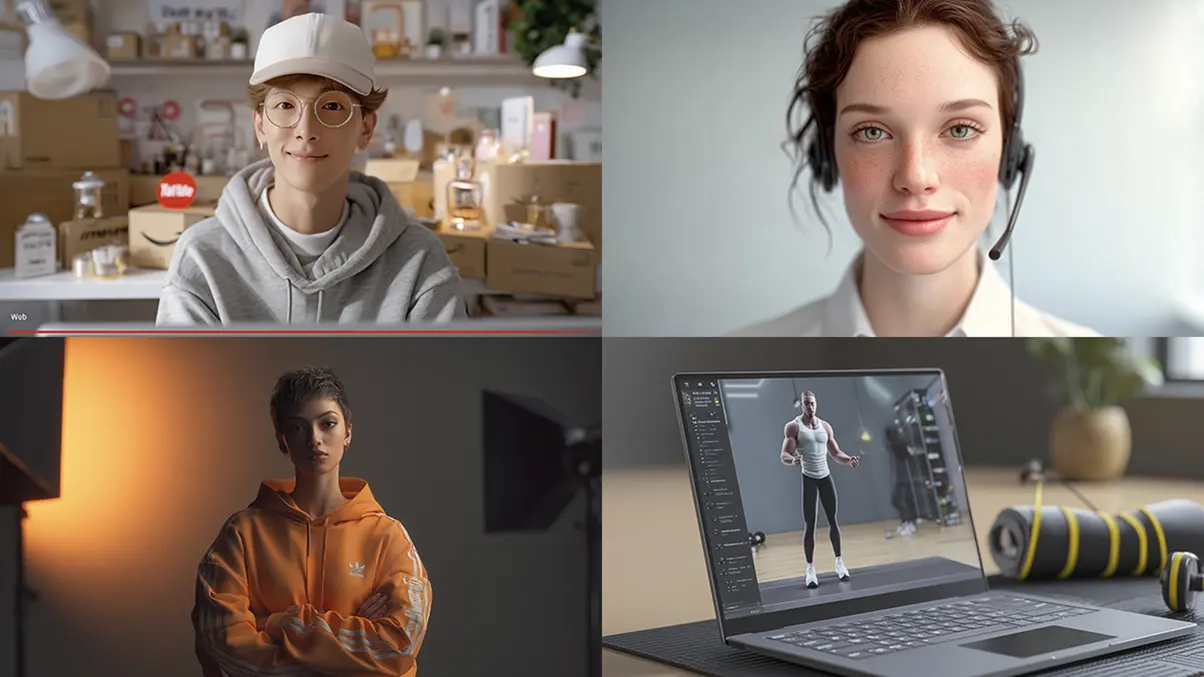
AI avatars in marketing serve diverse functions across multiple customer touchpoints, each designed to enhance specific aspects of brand engagement and conversion processes. The digital avatar market offers solutions ranging from customer service representatives to virtual influencers.
| Application Type | Primary Function | Marketing Benefits |
| Customer Service Avatars | Support and assistance | 24/7 availability, consistent service quality |
| Virtual Influencers | Content creation and promotion | Authentic engagement, controlled messaging |
| Product Demonstrators | Personalized presentations | Scalable demos, interactive explanations |
| Brand Ambassadors | Relationship building | Emotional connection, marketing consistency |
Customer Service and Support Avatars
AI-powered customer service avatars handle routine inquiries while maintaining brand personality and tone. These digital representatives can personalize interactions based on customer history and preferences, creating more engaging support experiences than traditional chatbots.
Companies implementing customer service avatars report significant improvements in response times and customer satisfaction. The avatars can pass on complex issues to human agents while handling straightforward questions independently, optimizing resource allocation.
Virtual Influencers and Brand Representatives
Brands are creating virtual influencers that can promote products across social media platforms without the scheduling limitations or potential controversies associated with human influencers. Samsung developed AI-powered virtual avatars called Neon, designed to converse and sympathize “like real humans” for marketing purposes.
Interactive Product Demonstrations
AI avatars in marketing excel at providing personalized product demonstrations that adapt to individual customer interests and technical knowledge levels. These avatars can showcase features, answer specific questions, and guide prospects through decision-making processes.
Personalized demonstrations through AI avatars allow companies to scale expert-level product presentations without requiring extensive human resources. This application proves particularly valuable for complex products needing detailed explanations.
E-commerce and Shopping Assistants
Retail brands deploy shopping assistant avatars that can recommend products, explain features, and guide customers through purchase processes. Gucci partnered with Genies to let customers create personalized avatars for virtual try-on experiences, which immediately showed increases in brand revenue.
Content Strategy for AI Avatar Marketing
Effective AI avatars in marketing require carefully crafted content strategies that balance brand authenticity with AI capabilities. The digital avatar market success depends heavily on how well avatars can deliver valuable, engaging content that resonates with target audiences.
Content Development Framework
- Brand voice definition. AI avatars must consistently reflect the personality and values of the company through every interaction. This is why they require detailed voice and tone guidelines.
- Audience segmentation. Different customer segments may respond better to different avatar personalities and communication styles.
- Response libraries. Comprehensive databases of approved responses ensure avatars can handle diverse customer inquiries while maintaining brand standards.
- Cultural adaptation. Global brands need avatars that can personalize content based on cultural context and local preferences without compromising core messaging.
Content Types and Formats
- AI avatars in marketing excel at delivering various content formats that traditional marketing methods struggle to personalize at scale.
- Educational content. Avatars can explain complex concepts through interactive tutorials that adapt to individual learning styles and knowledge levels.
- Entertainment and engagement. Virtual brand ambassadors can create entertaining content that builds emotional connections while subtly promoting products or services.
- Personalized recommendations. AI-powered avatars analyze customer behavior and preferences to suggest relevant products or content in natural conversational formats.
- Real-time assistance. Avatars provide immediate help during the customer journey, answering questions and removing barriers to conversion.
Content Optimization Strategies
AI avatars in marketing help optimize content based on performance data and customer feedback. For example, the leading global healthcare company Novo Nordisk used Phrasee to optimize email marketing, resulting in a 14% increase in click-through rates and 24% increase in open rates.
- Performance analytics. Track avatar interaction data to identify which content types and communication styles drive the best results.
- A/B testing. Compare different avatar personalities, visual styles, and content approaches to optimize engagement and conversion rates.
- Feedback integration. Use customer responses and satisfaction scores to refine avatar behavior and content delivery methods.
- Seasonal adaptation. Update avatar content and personality traits to reflect current events, holidays, and marketing campaigns.
Famous AI Avatar Use Cases
Leading brands across industries have successfully implemented AI avatars in marketing with measurable results, demonstrating the practical value of this technology beyond experimental implementations.
Gucci’s Revenue-Driving Avatar Partnership
Gucci partnered with Genies to integrate avatar creation into their apps, allowing customers to personalize digital versions of themselves. The moment they launched this campaign, it immediately showed an increase in brand revenue. Gucci has since announced plans for a “digital closet,” giving younger audiences opportunities to further personalize their avatars while promoting the brand’s apparel range.
This case demonstrates how AI avatars in marketing can drive direct revenue while engaging younger demographics who value digital experiences and personalization.
Calvin Klein’s Virtual Influencer Campaign
Calvin Klein created a controversial but famous campaign featuring celebrity Bella Hadid alongside virtual influencer Lil Miquela, who now has over 2.4 million followers. This collaboration between human and AI avatar personalities generated significant marketing attention, showcasing how brands can leverage virtual influencers for authentic engagement.
Samsung’s STAR Labs Neon Project
Samsung’s STAR Labs developed AI-powered virtual avatars called Neon, designed to converse and sympathize “like real humans” to act as lifelike companions. These avatars demonstrate advanced AI capabilities in creating emotional connections with users while representing brand values.
Nike and Serena Williams Virtual Match
Nike and AKQA created a virtual simulation featuring Serena Williams from two different eras of her career. The project created detailed avatars for each era, allowing for a virtual yet realistic depiction of how her style evolved. The virtual match attracted 1.7 million viewers and achieved a 1,082% increase in organic views compared to Nike’s standard content.
Final Word
AI avatars in marketing represent a significant opportunity for brands to enhance customer engagement while improving operational efficiency. The digital avatar market growth reflects real business value, with companies achieving measurable improvements in engagement, conversion, and cost reduction.
FAQ
What types of businesses benefit most from AI avatar marketing?
AI avatars work particularly well for e-commerce, technology, healthcare, financial services, and education sectors. Companies serving global audiences, those requiring 24/7 customer support, or brands targeting younger demographics see the strongest results from digital avatar market solutions.
How do AI avatars maintain brand consistency across different platforms?
Modern AI avatar platforms use centralized management systems that ensure consistent appearance, personality, and messaging across all touchpoints. Avatars automatically adapt to different platform requirements while maintaining core brand elements, ensuring a recognizable representation regardless of where customers encounter them.
Can AI avatars integrate with existing marketing automation tools?
Most enterprise-grade AI avatar platforms integrate seamlessly with existing marketing automation systems, CRM platforms, and analytics tools. This connectivity ensures that avatar interactions contribute to overall marketing data and customer journey tracking.
What metrics should companies track when using AI avatars in marketing?
Key performance indicators include engagement rates, conversation completion rates, customer satisfaction scores, conversion rates, and cost per interaction. AI avatars also provide unique metrics like emotional response analysis and personalized recommendation effectiveness that traditional marketing methods cannot measure.
