


Brand avatars are essential tools for modern organizations looking to create consistent digital identities across all their platforms. Avatar for business solutions help organizations maintain a professional appearance while building stronger connections with their audiences.

Organizations implementing avatar for business solutions now position themselves ahead of rapidly growing market trends. With the global digital avatar market projected to reach USD 270.61 billion by 2030, early adoption provides competitive advantages in customer engagement and operational efficiency.
What Are Brand Avatars?
Brand avatars are virtual personas that embody an organization’s identity, values, and personality in virtual environments. Unlike traditional branding elements, these interactive solutions can engage with audiences, respond to questions, and maintain consistent messaging across all digital platforms.

Modern avatar for business technology combines visual design with AI capabilities to create digital personas that feel authentic and engaging. These systems can be customized to reflect specific characteristics, including visual style, communication tone, and personality traits that align with organizational values.
Core components of effective brand avatars:
- Visual design elements. Professional appearance that incorporates colors, typography, and design principles while maintaining recognition across different platforms and contexts.
- Personality framework. Defined communication style, tone of voice, and behavioral patterns that reflect culture and values consistently.
- Interactive capabilities. AI-powered conversational abilities that enable real-time engagement with customers while maintaining messaging accuracy.
- Cross-platform consistency. Unified appearance and functionality across websites, social media, customer service platforms, and other digital touchpoints.
These digital representatives serve multiple functions beyond simple visual representation. They act as digital ambassadors who can handle customer inquiries, provide product information, and guide users through various organizational processes. A 2024 University of Reading study showed a significant jump in user interactions when organizations used culturally tuned digital representations in international campaigns.
The sophistication of business avatar technology allows organizations to create digital representatives that can adapt their communication style based on context and audience. These solutions can switch between formal presentations for meetings and casual interactions for social media engagement, all while maintaining core consistency.
Why Does Your Business Actually Need This?

Organizations investing in brand avatars are discovering measurable benefits that extend far beyond visuals. The AI avatars market reached USD 5.9 billion in 2023 and is projected to witness a 30% CAGR from 2024 to 2032, indicating strong value for early adopters.
Measurable Business Impact
- Enhanced customer engagement. Interactive systems create more personal connections than static elements, leading to increased time spent engaging with organizational content.
- Operational efficiency. AI-powered solutions can handle routine customer inquiries, freeing human staff for complex tasks while maintaining consistent service quality.
- Global scalability. Digital representatives can communicate in multiple languages and adapt to cultural contexts, enabling international expansion without proportional staff increases.
- Cost reduction. Automated customer service reduces operational costs while providing 24/7 availability that human staff cannot match economically.
According to IDC’s 2024 AI opportunity study, 92% of AI users surveyed are using technology for productivity, and 43% say productivity use cases have delivered the greatest ROI. Avatar for companies implementations fall directly into this high-ROI category by automating routine interactions.
Competitive Advantages
Business avatar technology provides measurable advantages in customer acquisition and retention. Interactive digital representatives create experiences that help organizations stand out among competitors using traditional communication methods. Business avatars also provide detailed analytics about customer interactions, enabling data-driven improvements to service delivery.
Modern consumers expect personalized, responsive interactions from the organizations they engage with. Digital avatars meet these expectations by providing immediate responses, personalized recommendations, and consistent service quality regardless of time or channel. This capability becomes particularly valuable for organizations serving global markets across multiple time zones.
Customization Options of Brand Avatars for Companies
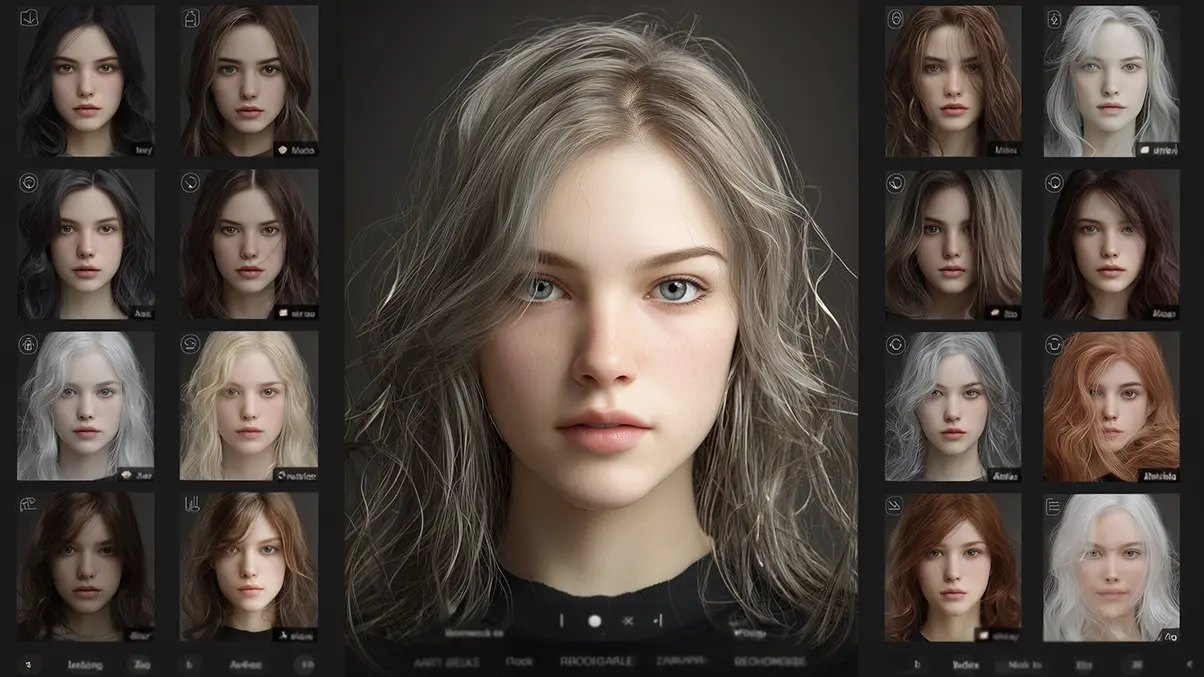
Avatar for companies customization extends far beyond basic visual appearance — it encompasses comprehensive identity representation systems. Modern platforms offer extensive personalization options that ensure image consistency while meeting specific organizational needs.
| Customization Category | Available Options | Business Impact |
| Visual Design | Colors, logos, styling, animations | Recognition, consistency |
| Personality Traits | Communication style, tone, humor level | Audience connection, identity alignment |
| Functional Capabilities | Languages, knowledge base, integration | Operational efficiency, global reach |
| Behavioral Patterns | Response speed, proactivity, formality | Customer experience, culture |
Visual Customization Features
- Appearance design. Platforms allow detailed customization, including facial features, clothing, accessories, and backgrounds that reflect organizational culture.
- Animation styles. Organizations can choose between realistic human-like movements, stylized animations, or abstract representations based on their personality and target audience preferences.
- Interactive elements. Custom gestures, expressions, and visual responses that align with messaging and create memorable user experiences during interactions.
- Environmental integration. Systems can be placed in virtual environments that mimic real spaces, from corporate offices to retail environments.
Personality and Behavior Configuration
- Communication protocols. Avatar for business solutions can be programmed with specific conversation styles, from formal professional interactions to casual friendly exchanges.
- Knowledge integration. Digital avatars can access organizational databases, product information, and service protocols to provide accurate, up-to-date responses.
- Cultural adaptation. Advanced systems can adjust communication styles based on user location, language preferences, and cultural contexts while maintaining core values.
- Response personalization. AI-powered technology can learn from interactions to provide increasingly personalized responses while staying within defined guidelines.
The sophistication of modern customization options allows organizations to create digital representatives that feel authentic to their identity while serving practical functions. These systems can evolve over time based on user feedback and changing organizational needs without requiring a complete redesign.
What Your Brand Avatar Should Be Saying and How
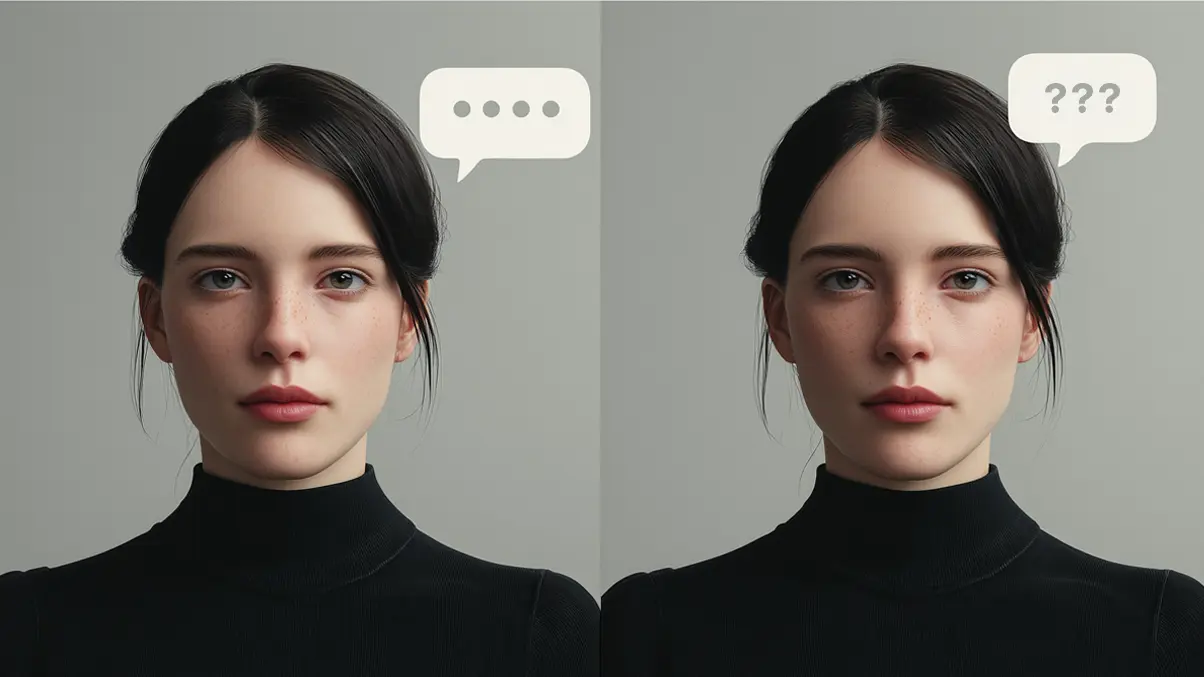
Effective brand avatars require carefully crafted communication strategies that reflect organizational values while providing practical value to users. The content and style of digital communications directly impact customer perception and identity reinforcement.
Core Messaging Framework
- Value proposition communication. Interactions should always reinforce what makes the organization unique, highlighting key benefits and differentiators in natural conversation.
- Voice consistency. Every response should reflect the established personality, whether that’s professional and authoritative or friendly and approachable.
- Solution-oriented responses. Systems should focus on helping users achieve their goals rather than simply providing information, creating positive associations.
- Cultural sensitivity. Digital representatives must adapt their communication style appropriately for different audiences while maintaining core messaging consistency.
Content Strategy Guidelines
Communications should balance promotional messaging with genuine helpfulness. Users expect AI-powered representatives to provide value, not just marketing messages. Effective systems create dynamic and interactive platforms for customers to engage with an organization, making the customer experience more engaging and enjoyable.
- Educational content. Avatar for business systems should provide useful information about products, services, and industry topics that demonstrate organizational expertise.
- Problem-solving focus. Interactions should prioritize understanding user needs and providing actionable solutions rather than generic responses.
- Proactive engagement. Digital representatives can initiate conversations based on user behavior patterns, offering assistance before problems arise and demonstrating attentiveness to customer needs.
- Feedback integration. Organizations should acknowledge user feedback and show that they value customer input in improving services.
Communication Style Best Practices
The tone of communications significantly impacts user perception and association. Here are some things to keep in mind when deciding on your digital avatar communication style:
- Authenticity over perfection. Digital representatives should acknowledge limitations and redirect to human support when appropriate, building trust through honest communication.
- Conversational natural flow. AI-powered interactions should feel natural rather than scripted, using appropriate pauses, acknowledgments, and follow-up questions.
- Contextual awareness. Systems should reference previous interactions and user preferences to create continuity and demonstrate attentiveness.
- Emotional intelligence. Technology should recognize user emotions and adjust responses appropriately, showing empathy and understanding when needed.
Effective digital representatives create emotional connections with users while providing practical value. They represent the organization’s identity in every interaction, making each conversation an opportunity to reinforce values and build customer loyalty.
Final Word
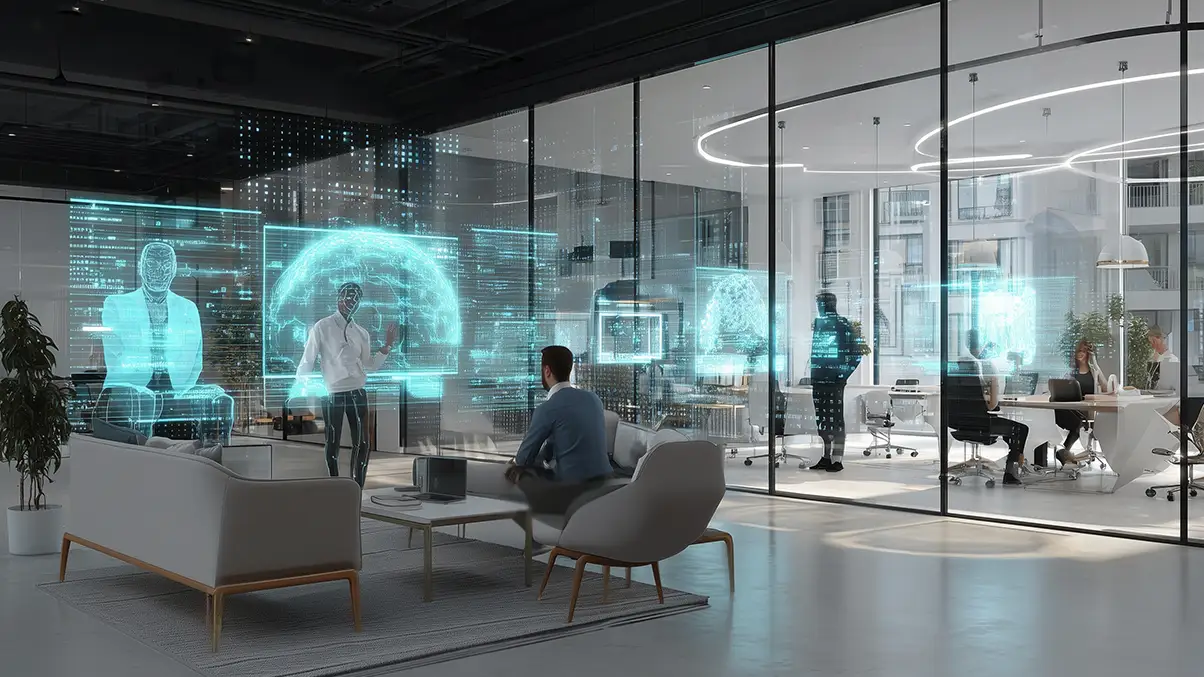
Brand avatars represent a significant opportunity for organizations to enhance their digital identity while improving engagement and efficiency. The technology has matured beyond experimental implementations to become a practical tools that delivers measurable value.
Business avatar technology also offers unique advantages for organizations seeking to maintain consistent representation across multiple digital platforms. These systems reduce operational costs while improving customer satisfaction through responsive, personalized interactions that reflect organizational values and expertise.
FAQ
How do brand avatars maintain consistency across different platforms?
Digital representatives use centralized management systems that ensure consistent appearance, messaging, and behavior across all digital platforms. Technology automatically adapts to different platform requirements while maintaining core visual and personality elements, ensuring a recognizable representation regardless of where customers encounter the system.
What technical requirements are needed for brand avatar implementation?
Most solutions require standard web infrastructure and stable internet connectivity. Advanced AI-powered systems may benefit from enhanced server capacity, but leading providers optimize their technology for typical organizational hardware requirements. Technical setup is usually handled by the platform provider with minimal organizational IT involvement.
How do brand avatars handle sensitive business information?
Enterprise-grade platforms implement robust security measures, including encryption, access controls, and compliance with industry regulations. Business avatar systems are designed to protect sensitive information and provide helpful interactions, with clear protocols for escalating complex inquiries to human representatives when appropriate.
