


Virtual avatar assistants represent a leap beyond traditional chatbots, offering small businesses an AI-powered solution that combines human-like interaction with 24/7 availability. Virtual assistants can handle customer inquiries, process orders, and provide personalized support at a fraction of the cost of human staff.
What Are Virtual Avatar Assistants for Small Business
Virtual avatar assistant is an AI-powered digital representative that simulates human interaction through visual presence, natural language processing, and contextual understanding to serve customers across multiple touchpoints. Unlike basic chatbots that rely on scripted responses, these systems leverage virtual avatar AI technology to create engaging, personalized experiences.
Virtual Avatar vs Traditional Chatbot Solutions
Traditional chatbots operate on rule-based systems with limited response capabilities, while virtual avatars integrate multiple AI technologies to deliver dynamic, context-aware interactions that adapt to each client’s needs. The fundamental difference lies in the depth of engagement. Chatbots provide functional responses to specific queries. Avatars create conversational experiences that build rapport and trust.
The visual component plays a crucial role in this improvement. Customers perceive interactions with a realistic business avatar as more trustworthy and engaging than text-only interfaces.
The technological gap becomes even bigger when it comes to problem-solving.
| Feature Comparison | Traditional Chatbot | Virtual Avatar Assistant |
|---|---|---|
| Response Type | Pre-scripted, rule-based | Dynamic, context-aware |
| Visual Presence | Text-only or static image | Animated 3D representation |
| Query Resolution Rate | 20-30% | 65-75% |
| Language Processing | Keyword matching | Natural language processing |
| Emotional Intelligence | None (scripted responses only) | Sentiment analysis & tone adaptation |
| Learning Capability | Limited or none | Continuous improvement via ML |
| Setup Time | 1-2 days | 1-2 weeks |
How Virtual Avatar Technology Works for Customer Service
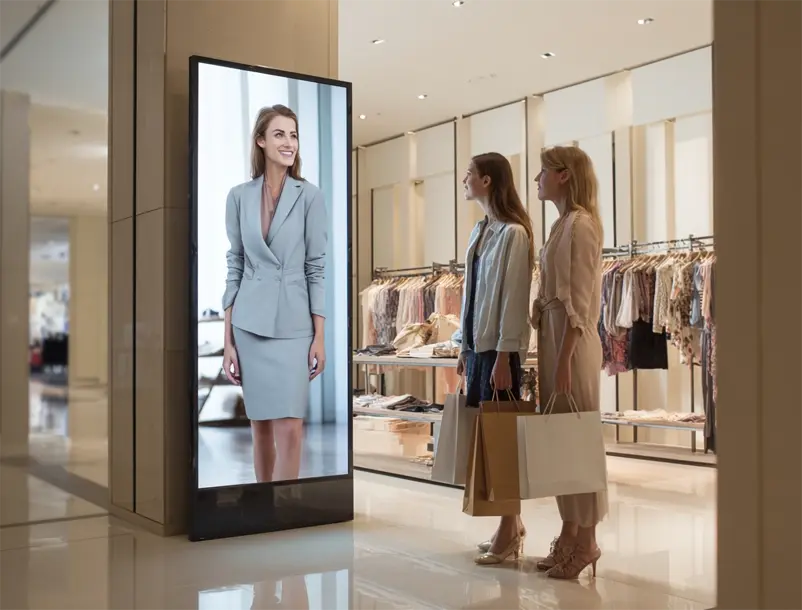
The architecture behind avatar assistants combines computer vision, speech synthesis, and machine learning to create seamless client interactions across web, mobile, and even physical kiosk interfaces. At its core, virtual human technology processes customer inputs through multiple channels simultaneously — analyzing text, voice tone, and even facial expressions when camera access is available — to determine the most appropriate response strategy.
The operational framework of virtual avatar systems follows a sophisticated multi-step process:
- Intent Recognition. Natural language processing algorithms analyze customer queries to identify underlying needs within 0.3 seconds.
- Context Mapping. The system retrieves conversation history, purchase records, and browsing behavior to personalize responses.
- Knowledge Base Search. AI scans through product databases, FAQs, and policy documents to find accurate information.
- Response Generation. Machine learning models craft contextually appropriate answers using brand-specific tone and vocabulary.
- Emotion Calibration. Sentiment analysis adjusts communication style based on detected customer mood.
- Visual Synchronization. Avatar animations, facial expressions, and gestures align with verbal responses for natural interaction.
- Continuous Learning. Every interaction feeds back into the system, improving future response accuracy.
The intelligent virtual representative can handle everything from simple FAQ responses to multi-step troubleshooting while maintaining context across interactions.
Virtual Avatars Integration Capabilities

The software of a modern virtual avatar combines technological capabilities and design features that prioritize user experience and business outcomes. The most impactful AI-powered avatar features include multilingual support, enabling small businesses to serve global customers without hiring international staff, and emotional intelligence algorithms that detect and respond to client sentiment in real-time.
Another way virtual avatars can be useful to a small business is by being integrated with already existing business systems and tools:
- CRM Integration. Automatic customer history retrieval and preference tracking for personalized interactions.
- Inventory Management. Real-time product availability checks and automated reorder suggestions.
- Payment Processing. Secure transaction handling with PCI compliance built into the conversation flow.
- Analytics Dashboards. Comprehensive reporting on customer interactions, satisfaction metrics, and conversion rates.
Benefits of Virtual Avatar Assistants for Small Business Owners

Business owners who employ virtual assistant services for small businesses unlock transformative advantages that extend far beyond traditional automation benefits. The implementation of avatar technology creates unique opportunities for small businesses to compete effectively against larger competitors while maintaining the personal touch that defines their brand identity.
- Instant Global Presence. Virtual avatars let small businesses serve customers in 150+ countries simultaneously, speaking their language and understanding cultural nuances without the need for physical offices or international staff.
- Flawless Memory. Unlike human employees who might forget details, avatars remember every customer preference, past issue, and purchase history, creating deeply personalized experiences and building loyalty.
- Consistent Branding. From a photorealistic look to a stylized animated one, companies can choose designs that resonate with their target audience while keeping their branding consistent. These AI avatar capabilities extend to tone of voice selection, appearance, and personality traits.
- Revenue Generation Through Conversations. Beyond support, avatars actively identify upselling opportunities, suggest complementary products, and recover abandoned carts, contributing directly to revenue growth.
- Compliance Without Complexity. Built-in regulatory compliance features ensure every interaction meets industry standards, protecting small businesses from expensive violation fines without requiring legal expertise.
- Emotional Labor Shield. Virtual assistants handle difficult customers, complaints, and repetitive queries without experiencing burnout, preserving human staff morale and reducing turnover costs.
- Data Intelligence Engine. Every interaction generates actionable insights about customer preferences, market trends, and operational bottlenecks that inform strategic decisions.
Virtual Avatar Applications by Industry
Modern small business virtual assistant platforms allow customization for industry-specific applications. While customization options might be unlimited, the core functionality that drives customer satisfaction across all sectors remains the same.
The adoption patterns across industries reveal interesting insights about where avatar technology brings the most value. Service-based businesses report faster implementation times and higher initial satisfaction scores, while product-focused companies see greater long-term revenue impacts thanks to AI avatar’s cross-selling and upselling capabilities.
Retail and E-commerce Virtual Assistants
Retail and e-commerce have been reaping the benefits of AI avatar technology for a while now. Multi-billion dollar companies like Mango invest into virtual avatar startups because they see the potential and value of their ideas. Recently, small businesses also started using digital representatives to strengthen their brand presence and optimize inside processes. Online retailers use virtual avatars as personal shopping assistants that guide customers through product selection, answer detailed questions, and provide styling advice.
A great thing about virtual assistant lead generation is that it captures website visitors’ attention within seconds. This dramatically reduces bounce rates and wins more time to collect valuable customer preference data.
Since the avatar remembers customer preferences across sessions, online stores can create a personalized shopping experience that rivals even in-store visits. When customers return, the avatar can greet them by name, reference past purchases, and suggest new items based on their style profile. These capabilities would be impossible to replicate with just human customer service employees.
Healthcare Applications

Independent healthcare practitioners and small-scale medical organizations use virtual avatars for appointment scheduling, preliminary consultations, and patient education. The implementation of a small business customer service avatar in healthcare settings must balance efficiency with empathy, as patients often look for reassurance alongside information.
Here are some of the implementations of virtual assistant services for small companies in healthcare:
- Appointment Management. Automated scheduling, rescheduling, and reminder systems that reduce no-shows.
- Patient Triage. Initial symptom assessment and urgency determination to optimize provider time.
- Prescription Refills. Automated refill requests and medication adherence reminders.
- Post-Visit Follow-ups. Automated check-ins and care plan compliance monitoring.
- Health Education. Personalized information delivery based on patient conditions and treatment plans.
- Billing Inquiries. Payment plan setup and insurance claim status updates.
- Provider Matching. Connecting patients with appropriate specialists based on conditions and preferences.
Restaurant and Hospitality Virtual Hosts
Restaurants and hotels leverage virtual avatars for reservation management, menu inquiries, and concierge services. This helps create seamless customer experiences that begin long before the guests arrive physically. The hospitality industry’s focus on personalized service makes it an ideal candidate for successful avatar technology implication. These systems can keep track of detailed guest preferences across multiple interactions.
Virtual hosts in restaurants handle complex scenarios that traditional automated systems can’t handle:
- Dietary Accommodations. Detailed ingredient information and allergen warnings for every menu item.
- Group Reservations. Coordinating large party bookings with special seating arrangements.
- Event Planning. Assisting with private dining arrangements and custom menu creation.
- Loyalty Programs. Managing rewards points and personalized promotions based on dining history.
Essential Features to Look for in Virtual Avatar Software

Seamless integration with existing tools, intuitive management interfaces, and robust analytics that present data in a clear, accessible format are critical for small businesses. A future-proof virtual assistant platform should offer core functionalities that address immediate needs while creating growth opportunities.
Non-negotiable features for small businesses include:
- No-Code Configuration. Visual interface for creating conversation flows without programming knowledge.
- Multi-Channel Deployment. Single avatar working across website, social media, and messaging apps.
- A/B Testing Tools. Built-in experimentation capabilities to optimize avatar performance.
- Compliance Features. GDPR, CCPA, and industry-specific regulatory compliance tools.
The leading platforms provide advanced features like predictive analytics that anticipate customer needs, sentiment analysis that triggers human escalation when appropriate, and personality adjustments that match communication styles of individual customers. The best solutions balance sophistication with usability, ensuring that small business owners can benefit from powerful capabilities without extensive training.
Avatar Assistant Trends for Small Businesses
The landscape of virtual avatar technology continues to evolve rapidly, with emerging innovations creating new opportunities for small businesses to enhance customer engagement and operational efficiency. Understanding these trends helps businesses make informed decisions about timing and investment in avatar technology.
Voice-First Avatar Interactions
Voice-first avatar interactions allow businesses to serve clients who prefer speaking over typing, particularly valuable for accessibility and hands-free scenarios.
The technology now supports over 120 languages and dialects, enabling global reach without additional localization costs.
Emotional AI and Sentiment Analysis
Advanced emotional intelligence capabilities let avatars detect and respond to customer emotions in real-time, adjusting their communication style accordingly. This technology can identify frustration, confusion, or satisfaction through text patterns, voice tone, and even facial expressions.
Augmented Reality Avatar Experiences
AR avatars that appear in physical spaces through smartphone cameras create immersive support experiences that bridge digital and physical retail. This allows customers to visualize products in their actual environment with avatar guidance.
Furniture retailers, home improvement stores, and fashion brands lead adoption, using AR avatars to demonstrate product placement, provide assembly instructions, and offer styling advice in customers’ actual spaces.
Predictive Customer Service
Thanks to machine learning algorithms, avatars can anticipate customer needs before they’re even voiced. They offer solutions based on behavioral patterns and historical data, transforming reactive support into proactive engagement.
Predictive avatars also can identify when customers are likely to encounter issues, reaching out with preventive guidance that improves satisfaction while reducing support costs.
Conclusion
Virtual avatar assistants have evolved from futuristic concepts to essential business tools that democratize access to new customer service capabilities. For small businesses ready to embrace this technology, the path forward is clear. They need to evaluate their specific needs, select an appropriate platform, and begin the transformation.
The combination of dramatic cost savings, enhanced customer satisfaction, and competitive differentiation makes virtual avatars not just an operational upgrade, but a strategic imperative for sustainable growth in an increasingly digital marketplace.
FAQ
What is a Virtual Assistant?
A virtual assistant for small business is an AI-powered software solution that uses conversational interfaces and visual avatar representations to automate customer interactions, handle routine tasks, and provide 24/7 support without human intervention.
What Are the Key Components of Avatar-Based Virtual Assistants?
Avatar-based virtual assistants integrate four core technologies: conversational AI, natural language generation, 3D avatar rendering, and business system APIs.
Which Business Tasks Can Virtual Assistants Automate?
Virtual assistants handle customer inquiries, process orders, schedule appointments, and manage FAQ responses while maintaining conversation context and escalating complex issues to human staff.
How Can I Customize My Virtual Assistant’s Avatar and Personality?
Businesses can customize avatar appearance, voice, personality traits, and brand alignment to create consistent visual representation across all customer touchpoints.
What Business Systems Can Virtual Assistants Connect With?
Virtual assistants seamlessly connect with CRM platforms, e-commerce systems, scheduling software, and communication tools through APIs and pre-built integrations.
Can Virtual Assistants Help Generate More Sales and Leads?
Virtual assistants can improve sales and lead generation by qualifying leads automatically, scheduling appointments, handling follow-ups, providing product information, and guiding prospects through sales funnels.
What Does the Future Hold for Virtual Assistants in Small Business?
Virtual assistant technology is evolving toward more sophisticated AI, emotional intelligence, multi-modal interactions, and deeper business process automation that will transform small business operations.
What New Virtual Assistant Features are Coming Soon?
Next-generation virtual assistants will feature predictive analytics, voice-to-avatar synchronization, AR/VR integration, and autonomous decision-making capabilities.
