

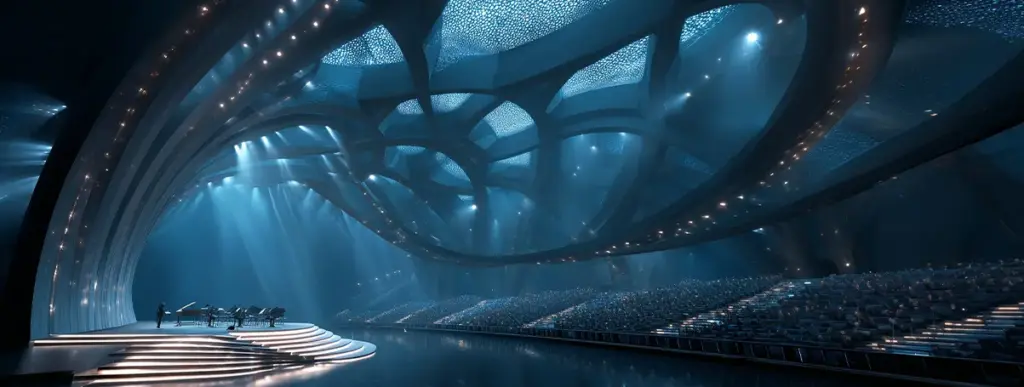
Virtual concert hall technology is creating new possibilities for live music by providing digital spaces where artists can perform for audiences without traditional venue constraints. These platforms combine virtual reality, spatial audio, and interactive features to deliver concert experiences that offer different advantages compared to physical venues.
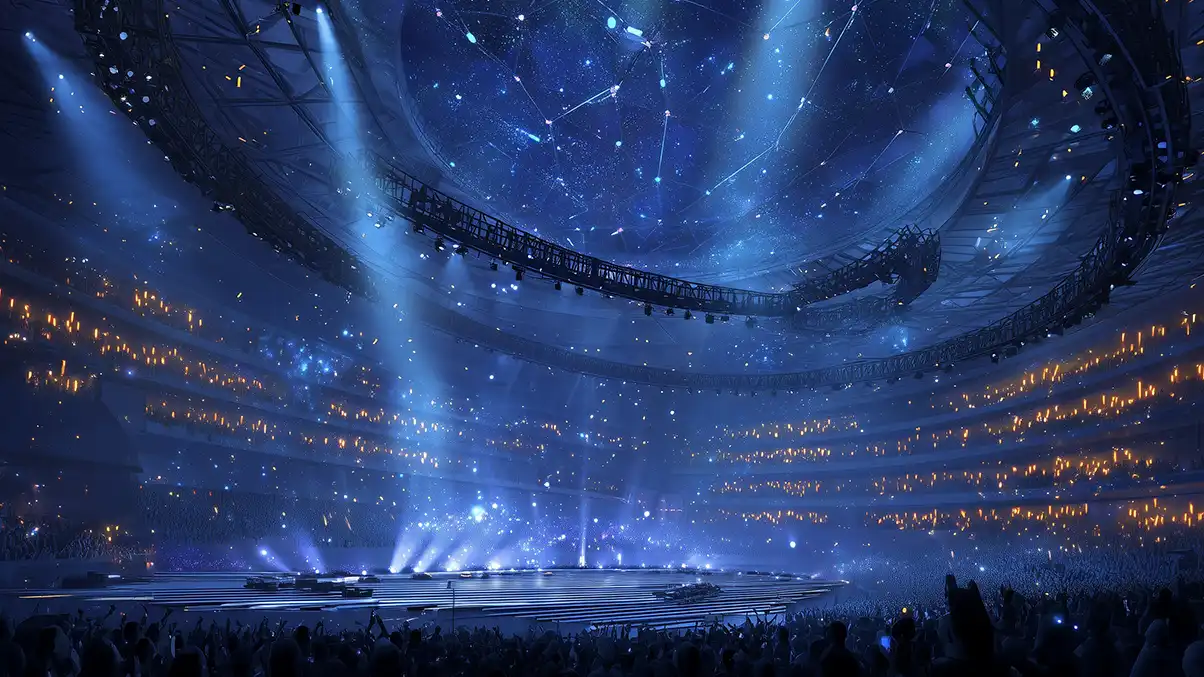
The adoption of virtual hall solutions has accelerated dramatically, with over 80% of artists reporting willingness to permanently add live-streaming to their performance plans even after in-person concerts fully resume. This shift reflects both practical benefits and new creative possibilities that virtual technology enables for musicians and audiences alike.
Virtual concert stage platforms are transforming how we think about live music, creating opportunities for intimate artist-fan connections while reaching massive global audiences. From virtual hall environments that replicate famous venues to fantastical digital worlds impossible in physical reality, these technologies are expanding what concert experiences can be.
What Is a Virtual Concert Hall?
A virtual concert hall is a digital environment designed to replicate and enhance traditional concert venue experiences through advanced technology platforms. Unlike simple livestreams, these virtual spaces offer interactive features, spatial audio, and immersive visuals that create genuine concert hall atmospheres for remote audiences.
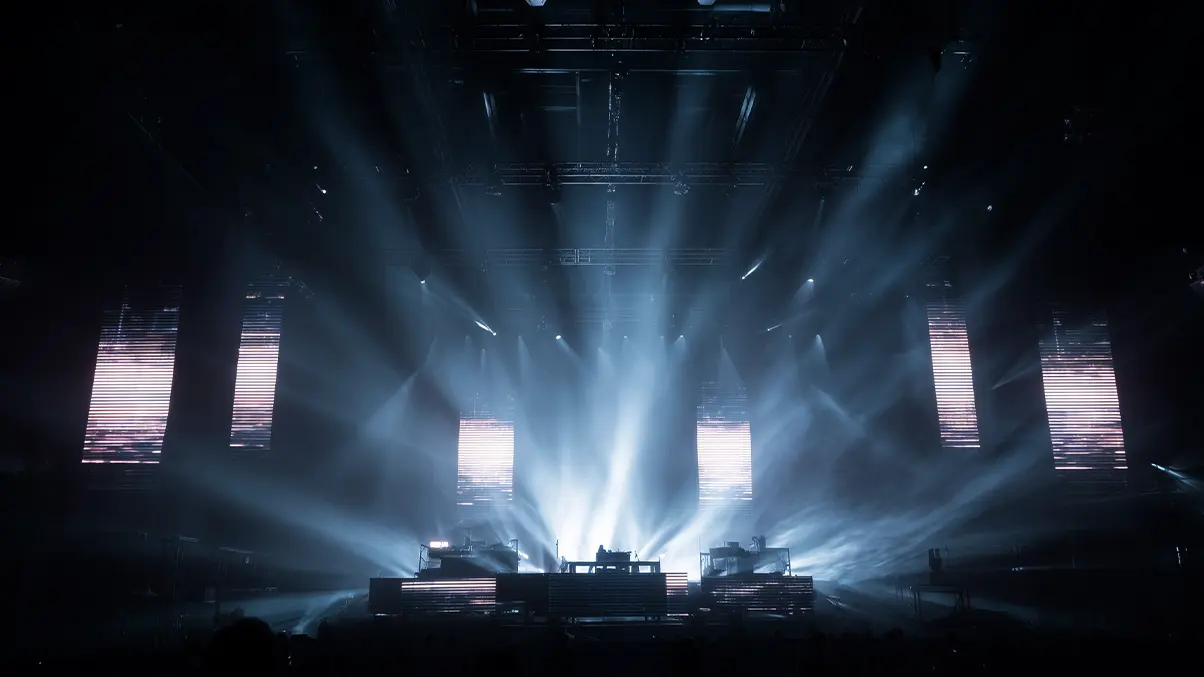
Modern virtual hall solutions incorporate multiple technological components working together seamlessly. These include high-definition video streaming, 3D audio processing, and real-time interaction systems. They also often have virtual reality features, allowing audiences to feel physically present in the concert space.
The sophistication of virtual concert hall technology enables artists to reach global audiences without the logistical challenges of touring, while providing fans with access to performances they might never experience otherwise. These platforms break down geographical, financial, and physical barriers that traditionally limited concert attendance.
Virtual environments also offer unique creative possibilities for artists. Performers can experiment with visual effects, stage designs, and interactive elements that would be prohibitively expensive or impossible in physical venues. This results in entirely new forms of musical expression.
Types of Virtual Concert Hall Experiences
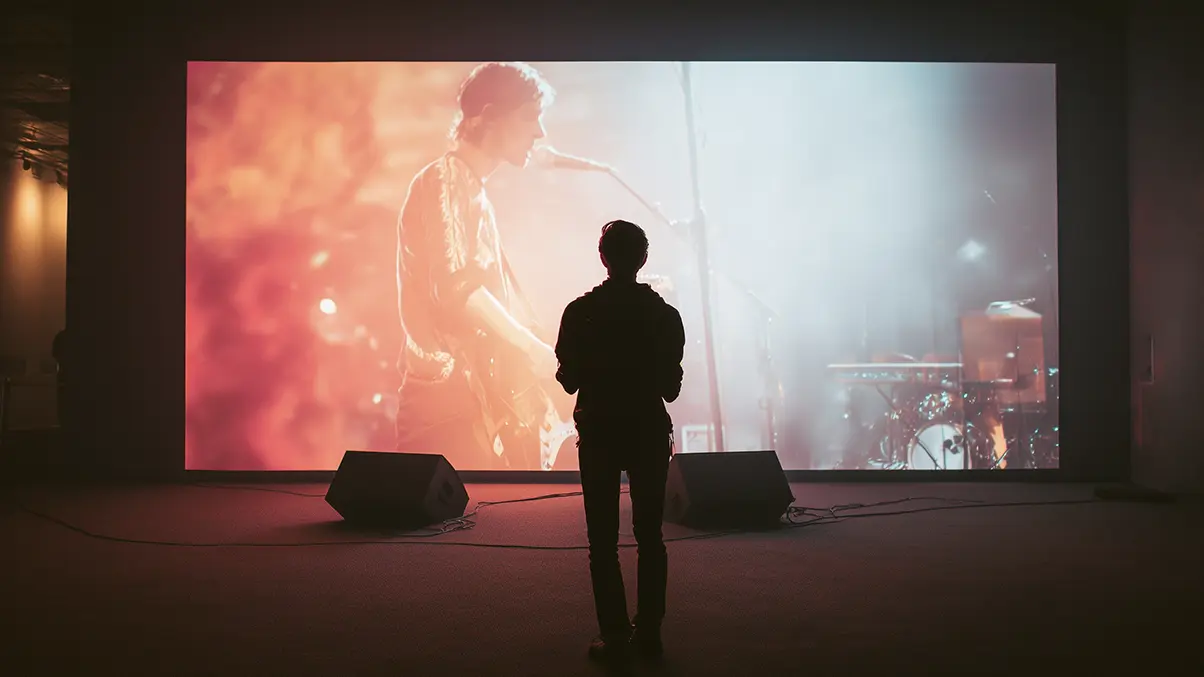
Virtual concert hall platforms offer diverse experiences designed to serve different artistic visions and audience preferences. Each format leverages virtual technology in unique ways to create engaging concert experiences.
|
Experience Type |
Technology Focus |
Audience Interaction Level |
| VR Immersive Halls | Full virtual reality | High –- avatar-based social interaction |
| Livestream Stage Venues | HD streaming with interactive features | Medium –- chat and reaction systems |
| Gaming Platform Concerts | Game engine integration | Very High –- game-based activities |
| Classical Virtual Hall Recreations | Acoustic modeling and realism | Low to Medium –- traditional viewing |
VR-Native Concert Halls
Full virtual reality concert experiences place audiences directly into three-dimensional hall environments where they can move around, interact with other attendees, and experience performances from multiple vantage points. Platforms like VRChat, Wave VR, and Oculus Venues have hosted numerous successful VR concerts, with audiences using headsets to attend.
Hybrid Physical-Virtual Venues
These virtual concert hall solutions combine physical performance spaces with digital audience participation. Artists perform on real stages while audiences join virtually, creating concert experiences that bridge traditional and digital formats seamlessly.
Gaming-Integrated Concert Spaces
Games like Fortnite and Minecraft have become popular venues for virtual concerts, with artists like Travis Scott attracting over 12 million concurrent viewers during his Fortnite concert. These platforms offer interactive elements unique to gaming environments.
Classical Hall Recreations
Virtual recreations of famous concert halls like Carnegie Hall or the Vienna Musikverein allow audiences to experience performances in acoustically accurate digital versions of legendary venues. These solutions focus on replicating the authentic hall experience rather than creating fantastical environments.
Social Media Concert Platforms
Platforms like YouTube, Facebook, and Instagram offer concert streaming with integrated social features streaming with integrated social features, enabling audience interaction through comments, reactions, and live chat during performances.
Benefits for Artists and Performers
Virtual concert hall platforms provide musicians with unprecedented opportunities to expand their reach, reduce costs, and experiment with new creative formats. These benefits extend beyond simple convenience to offer genuine artistic and business advantages.
Global Reach Without Travel Constraints
Virtual hall performances eliminate geographical limitations that constrain traditional touring. Artists can reach international audiences instantly without visa requirements, travel expenses, or physical venue availability limitations. This global accessibility has proven particularly valuable for emerging artists seeking to build international fan bases.
Creative Freedom and Innovation
Virtual concert stage environments offer unlimited creative possibilities. Artists can experiment with impossible architectures, gravity-defying visuals, and interactive elements that would be unthinkable in physical venues. These unique visual effects often become key motivators for audience attendance.
Enhanced Artist-Audience Connection
Virtual platforms enable intimate interactions between performers and audiences through live chat, personalized messages, and virtual meet-and-greet opportunities. Many artists report that virtual concert experiences create more personal connections with fans than large traditional venues allow.
Cost-Effective Performance Opportunities
Virtual concert hall platforms dramatically reduce production costs compared to physical touring. Artists avoid venue rental, equipment transportation, accommodation, and crew travel expenses while maintaining high production values through digital tools.
Accessibility and Inclusion
Virtual performances reach audiences who cannot attend traditional concerts due to mobility limitations, geographical constraints, or financial barriers. Research shows that virtual concerts have broken down barriers that once kept some fans from participating in live music events.
Performance Anxiety Training
Specialized virtual concert hall applications help musicians overcome performance anxiety by providing realistic concert environments for practice. These VR experiences closely simulate concert experiences and serve as exposure therapy for musicians, particularly beneficial for undergraduate music students.
Revenue Diversification
Virtual platforms offer multiple revenue streams, including ticket sales, virtual merchandise, exclusive content access, and subscription services. Artists can monetize their performances through various models and build sustainable income sources.
Virtual Concert Hall Design Principles
Effective virtual concert hall design requires careful attention to both technical performance and user experience principles. These digital hall environments must balance realism with creative possibilities while ensuring accessibility and audience engagement.
Acoustic Environment Design
Virtual hall acoustics form the foundation of immersive concert experiences. Advanced spatial audio processing recreates realistic acoustic characteristics of different hall types, from intimate club settings to grand symphony halls.
Visual Environment Architecture
Virtual concert stage design encompasses both realistic venue recreations and fantastical environments impossible in physical reality. Successful designs balance visual spectacle with practical considerations like sightlines, artist visibility, and performance space functionality.
User Interface and Navigation
Virtual concert platforms must provide intuitive navigation systems that allow audiences to move around hall environments, interact with features, and access content without technical complexity interfering with the musical experience.
Social Interaction Systems
Effective virtual hall platforms incorporate social features that replicate and enhance the communal aspects of concert attendance. These include avatar systems, proximity-based chat, virtual applause, and collaborative audience activities.
Multi-Device Compatibility
Virtual concert hall solutions must function effectively across various devices and platforms, from high-end VR headsets to smartphones, ensuring accessibility without compromising core experience quality.
Performance Optimization
Technical reliability becomes crucial for virtual concerts where connection interruptions or quality degradation can ruin the experience. Robust streaming infrastructure, adaptive quality systems, and redundancy planning ensure smooth performance.
Accessibility Features
Inclusive virtual hall design incorporates features for users with disabilities, including audio descriptions, closed captioning, keyboard navigation, and compatibility with assistive technologies.
Examples of Virtual Concert Halls
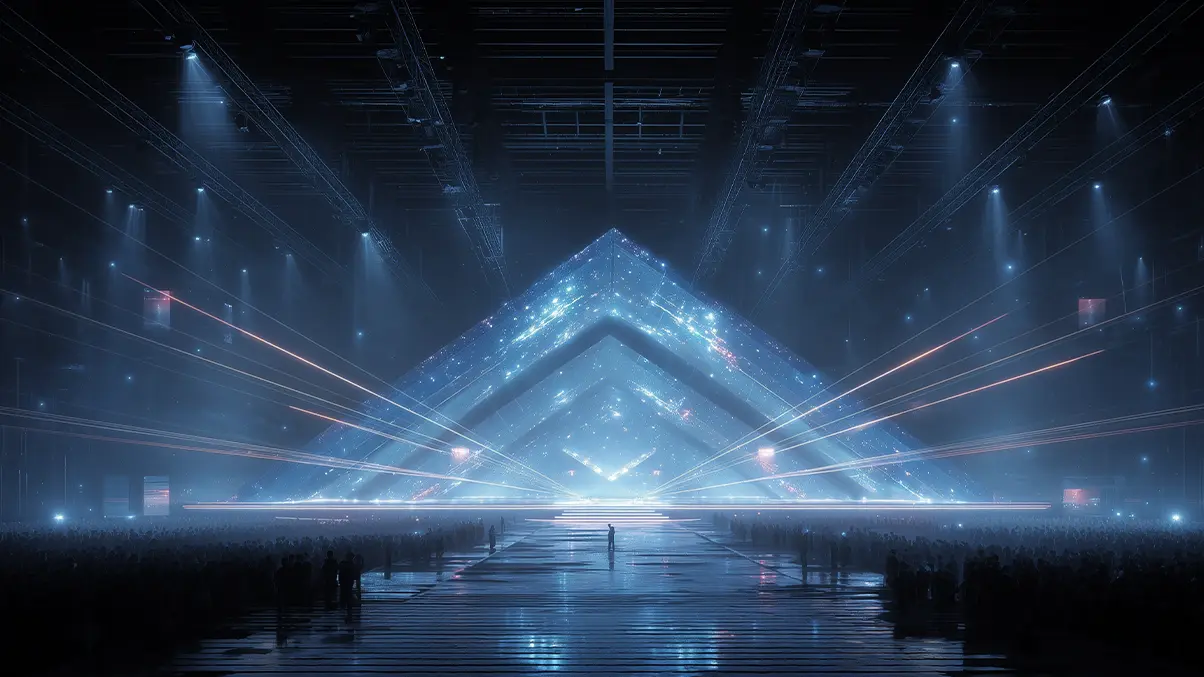
Leading virtual concert hall platforms demonstrate diverse approaches to creating engaging digital concert experiences, each offering unique features and serving different musical communities.
Virtual Concert Halls Platform
Virtual Concert Halls has hosted over 500 live performances featuring world-leading symphony orchestras, opera companies, conservatories, and individual performers. Their platform focuses on high-quality audio and video production for classical and contemporary music, offering TV-quality broadcasts with professional production values.
ABBA Voyage –- Purpose-Built Virtual Venue
The ABBA Voyage concerts feature virtual avatars (‘ABBAtars’) depicting the group as they appeared in 1979, performed in a purpose-built venue near London’s Queen Elizabeth Olympic Park. This virtual concert hall combines cutting-edge motion capture technology with live instrumental accompaniment.
Fortnite’s Concert Spaces
Fortnite Battle Royale has hosted major virtual concerts, including Travis Scott’s performance, which attracted over 12 million concurrent viewers. The platform’s Party Royale mode continues hosting smaller concert events in dedicated social spaces.
Australian Digital Concert Hall
The Australian Digital Concert Hall collaborates with esteemed musical ensembles like Sydney Chamber Choir and Melbourne Chamber Orchestra, offering monthly subscriptions that grant access to archives of classical, contemporary, and experimental music performances.
Wave VR Platform
Before shutting down in 2021, Wave VR hosted performances by artists including Imogen Heap and The Glitch Mob, demonstrating the potential of dedicated virtual reality concert platforms before pivoting to distribute content through popular streaming platforms.
Gaming Platform Integration
Games like Minecraft and VRChat continue hosting virtual music festivals and concerts, with platforms like VRChat supporting digital nightclubs and music festivals featuring live-streamed DJ performances in specially designed worlds.
Traditional Venue Virtual Extensions
Many established concert halls now offer virtual attendance options for their physical performances, creating hybrid experiences that combine the prestige of famous venues with global accessibility.
Final Word
The success of virtual hall platforms demonstrates that digital concert environments can complement rather than replace traditional venues. Artists increasingly view virtual performances as essential components of comprehensive audience engagement strategies, offering creative possibilities and global reach impossible through physical venues alone.
Virtual concert stage technology continues advancing rapidly, with improvements in VR hardware, spatial audio, and interactive features creating increasingly sophisticated experiences. As these technologies mature, virtual concerts will likely become even more immersive and accessible to broader audiences.
The future of live music includes virtual experiences as essential components rather than alternatives to traditional concerts. Artists and venues that embrace virtual concert hall technology will serve audiences effectively in an increasingly digital entertainment landscape.
FAQ
How do virtual concert halls handle audio quality compared to physical venues?
Modern virtual hall platforms use advanced spatial audio processing to recreate realistic hall acoustics and sound positioning. While audiophile-grade physical venues may still offer superior acoustics, virtual platforms often provide more consistent sound quality across all “seats” and can eliminate common issues like poor venue acoustics or crowd noise interference.
Can virtual concert halls accommodate large audiences without performance issues?
Professional virtual concert hall platforms are designed to handle thousands of concurrent users through scalable streaming infrastructure and optimized delivery networks. However, individual experience quality depends on users’ internet connections and device capabilities rather than venue capacity limitations.
Do artists earn revenue from virtual concert hall performances?
Virtual concert platforms offer multiple revenue streams, including ticket sales, virtual merchandise, exclusive content access, subscription services, and sponsorship opportunities. Many artists report that virtual performances can be more profitable than physical concerts due to reduced production costs and unlimited audience capacity.
How do virtual concert halls create social experiences like traditional venues?
Virtual hall platforms incorporate real-time chat, virtual avatar interaction, proximity-based communication, collaborative audience activities, and post-concert social spaces. Many users report that virtual concerts create more intimate artist-fan connections than large traditional venues allow.
