


Virtual idols are creating a notable shift in the entertainment world as they establish themselves as significant contributors to the industry. The advancement of digital technologies has transformed the virtual k-pop group concept from an interesting experiment to a cultural phenomenon. In response to increasing acceptance from audiences worldwide, virtual idols are establishing a permanent foothold in global music markets, with companies allocating substantial resources to their development.
What are Virtual Idols and How Do They Work?
The concept of virtual idols has a richer history than many realize, dating back to Japan in 1996 with Kyoko Date, the first true virtual personality, followed by Yuki Terai in 1997. While Hatsune Miku gained international recognition in 2007, these earlier pioneers laid the foundation for today’s digital performers. At their core, virtual idols are computer-generated entertainers with distinct personalities, appearances, and talents. Unlike traditional celebrities, these virtual k-pop idols exist primarily in digital spaces, yet they release music, perform concerts, and interact with fans much like their human counterparts.
The creation of AI idols involves sophisticated technology that combines computer graphics, animations, and machine learning-based artificial intelligence. Companies have developed proprietary systems that allow their virtual k-pop group members to sing, dance, and even communicate with surprising authenticity.
While some virtual idols are entirely computer-generated, many groups use motion capture technology to blend human performance with digital avatars. In the mo-cap process, performers wear specialized suits, allowing animators to capture their movements and transfer them to their virtual counterparts. This ensures that the resulting AI avatars have convincing dance routines and a stage presence that feels identical to the real thing.

What are the Most Popular Virtual Idol Groups?
AI Boy K-pop Group Examples
The virtual K-pop group arena is increasingly competitive, with several standout performers dominating the scene. PLAVE, a five-member virtual K-pop boy group that debuted in 2023, has achieved remarkable success with multiple chart-topping singles and album sales exceeding 500,000 copies.
PLAVE is a great example of motion capture technology used in the music industry. The AI k-pop boy group members are virtual avatars controlled by a remote team of real-life singers. Even though they only exist in the virtual world, PLAVE participate in all the same events human k-pop idols do. For example, these AI K-pop idols hold live streams, appear on game shows, and collaborate with real-life artists on social media challenges.

SKINZ is another AI k-pop boy group that is actively pushing the boundaries of what’s possible in the modern music industry. They’re a seven-member band that debuted in 2025 with a digital single and held their first live stage performance the same year.
The team handling the promotional campaign for SKINZ made sure they drew in as many interested fans as possible before their official debut as new-generation AI K-pop idols. The band has released several self-produced songs, which is a promotional strategy often used by real-life k-pop artists. Their management label also teased the AI kpop boy group members’ voices before their activity as a band officially began.
Created by Deep Studio Entertainment, SUPERKIND is a band that took a slightly different approach to AI avatar integration. With five human and two virtual members, they became the first hybrid human-AI K-pop boy band. While the AI K-pop idols of the group can’t always be present during events like interviews held in real life, they still actively participate in the band’s activities. Both human and AI-generated K-pop idol group members of the group participate in song recording, music video filming, and photoshoots for promotional materials.
AI Girl K-pop Group Examples
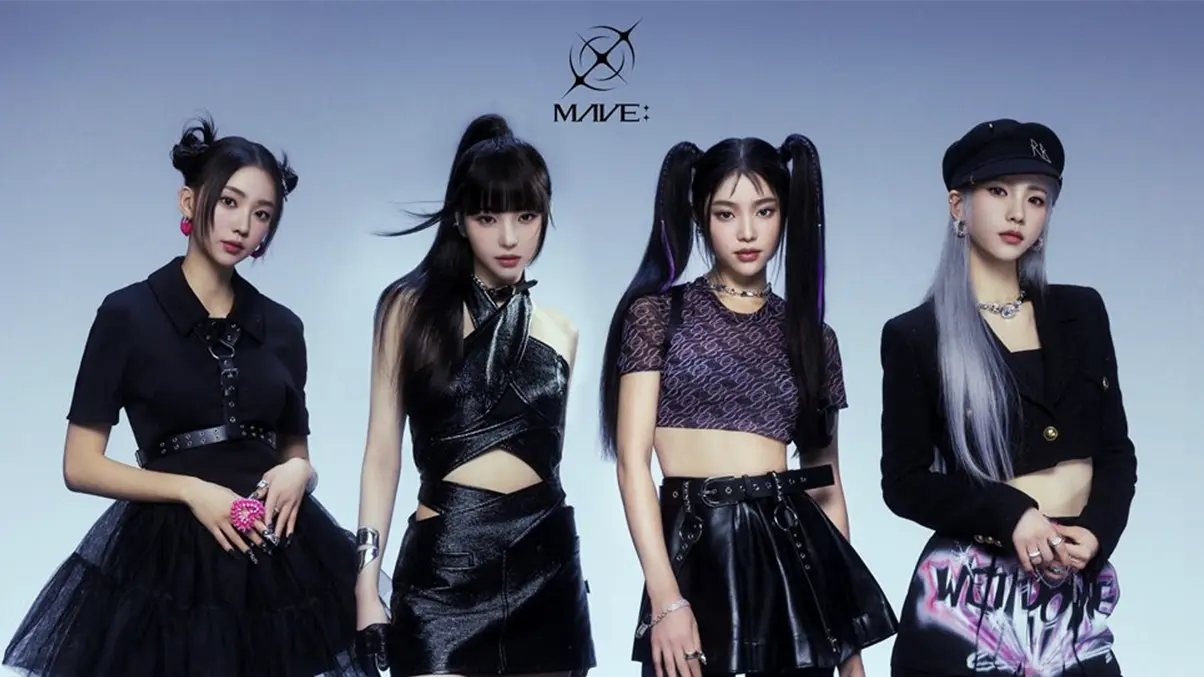
MAVE:, a four-member AI idol girl group created by Netmarble and Kakao Entertainment, has captured the hearts of fans worldwide with sophisticated visuals and catchy songs. Their debut single “Pandora” accumulated over 50 million views on YouTube, establishing them as frontrunners in the virtual idol space.
The team behind MAVE: has stated that they’re not competing with real-life idols. Instead, the AI-generated K-pop idol group is paving the way for an entirely new kind of idol that encapsulates everything that K-pop fans around the world love. From vibrant, futuristic costumes and captivating music videos to complex choreographies and touching song lyrics—they’ve got it all, while also being the perfect artist every management company dreams about.
SM Entertainment’s aespa pioneered a unique concept that pairs human members with virtual idol counterparts, creating a bridge between traditional and digital K-pop. Not only have aespa gained international acclaim for their stunning visuals, choreography, and music, but they also successfully integrated the virtual reality concept into their band lore and branding. The AI K-pop idols, while not being their exact copies, are created based on each of the members’ data, representing their digital footprint.
Aespa’s members are optimistic about the development of the Metaverse as they see it as a powerful tool for change. During their speech at the High-Level Political Forum for Sustainable Development of the United Nations in 2022, they stated that the virtual world can become a major force driving the movement for sustainable development.

How Do Virtual Idols Interact with Their Fans?
The possibilities of engagement between fans and their virtual idols have evolved dramatically in recent years. K-pop groups host regular live streams where they interact with comments in real-time, creating an illusion of direct communication that resonates strongly with fans. AI idols also maintain active social media presences, sharing content and responding to fans through sophisticated text generation systems.
The metaverse has become a crucial platform for virtual k-pop group fan engagement. Companies are developing increasingly sophisticated virtual spaces where fans can attend concerts, participate in meet-and-greets, and even collaborate with their favorite AI idols on creative projects.
These metaverse experiences often include customizable avatars, virtual merchandise, and interactive elements unique to the digital medium. Some companies have even begun experimenting with haptic technology to add physical sensations to virtual live performances, further enhancing their immersivity.

Fan communities for virtual idols have flourished, with dedicated forums, social media groups, and fan sites emerging worldwide. These spaces allow fans to share artwork, discuss performances, and connect with others who share their passion for these digital performers.
Virtual Idol Marketing
Marketing campaigns for virtual idols have grown increasingly more sophisticated, taking advantage of their virtual nature to create innovative and effective branded experiences. AI idols can appear simultaneously in multiple locations, give interviews to several press outlets at once, or change costumes with the press of a button, greatly expanding the scope of marketing possibilities.
Brands have also recognized the value of virtual celebrities as endorsers, particularly for products targeting digitally native consumers. Eliminating the unpredictability of human behavior, virtual k-pop group members represent customizable and programmable brand ambassadors who can be tailored precisely to a campaign’s needs.
The concept of virtual idols has also expanded to include digital influencers who exist primarily on social media platforms rather than as performers. These AI idols engage with fans daily through posts, stories, and other content that blurs the line between reality and fiction.
How is the Idol Market Adapting to Virtual Idols?
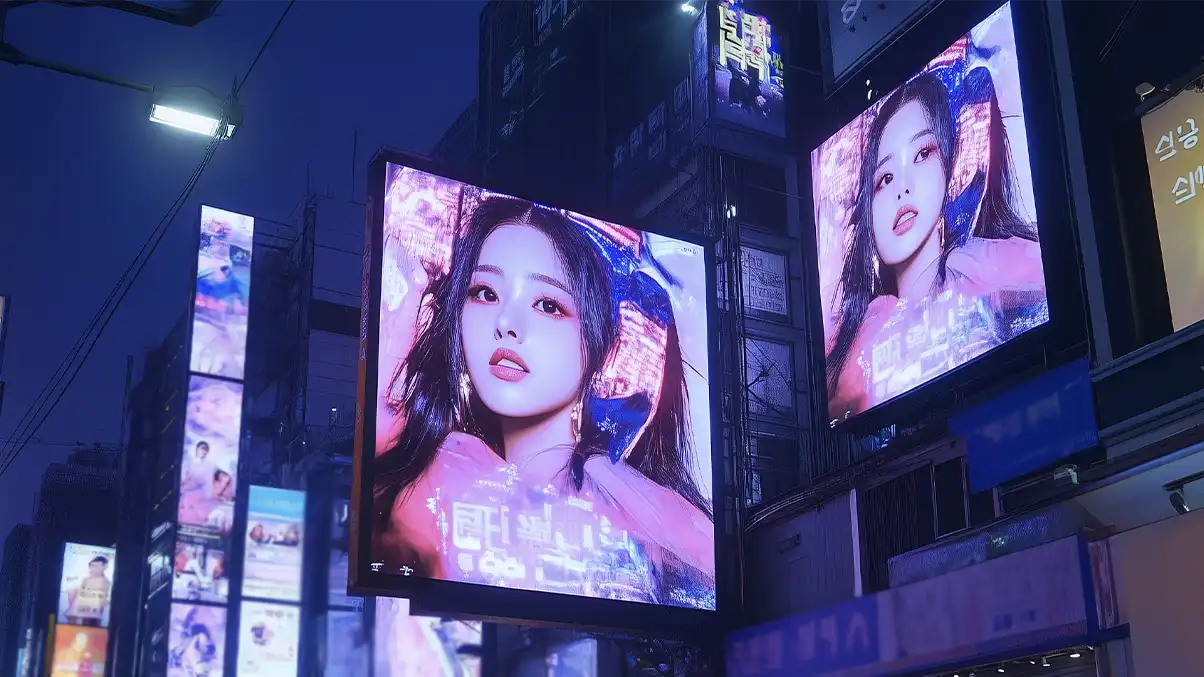
Entertainment in K-pop has become a particular focus, with platforms being developed specifically to host digital concerts, fan meetings, and other events. These spaces allow fans to engage with their favorite AI idols in immersive environments that transcend physical limitations.
Virtual idols offer unique advantages to record labels over their flesh-and-blood counterparts. They don’t require years of intensive training and avoid the unfortunate inevitabilities of working with human performers, such as health issues, scheduling conflicts, and fatigue. Additionally, AI k-pop idols are able to perform simultaneously in multiple locations. Though traditional K-pop idols will always maintain a strong level of popularity, virtual idols are poised to capture a bigger share of the market.
Beyond music, virtual idols have expanded into brand endorsements, acting roles, and social media influence. AI-generated k-pop idol performers like MAVE:’s Zena have secured major advertising deals with fashion and technology brands, demonstrating their growing commercial appeal.
How Are Virtual K-Pop Concerts Organized?
For remote audiences, metaverse concerts offer an alternative experience that allows for greater interactivity. Fans can customize their viewing experience, interact with other attendees, and even influence aspects of the performance through voting or other participatory features.
Closing Thoughts
As technology continues to evolve, virtual idols are positioned to transform not just K-pop, but the entire entertainment industry. With each technological advancement, these digital performers become more sophisticated, more engaging, and more integrated into our daily lives. Whether as musicians, influencers, or brand ambassadors, AI idols represent a fascinating glimpse into the future of entertainment – a future that’s arriving faster than many expected.
FAQ
Who are the most popular virtual idols?
The most popular virtual idols in K-pop include PLAVE (a five-member virtual k-pop boy group), MAVE: (a four-member AI idol girl group), and SM Entertainment’s aespa, which combines human members with virtual counterparts. Other notable AI-generated k-pop idol groups include Eternity and SKINZ.
Are virtual idols for real?
Yes, virtual idols are a real phenomenon in the entertainment industry. While they don’t physically exist, they have genuine fan bases, release actual music that charts on mainstream platforms, hold concerts, and generate significant revenue. These AI idols are developed by real companies investing substantial resources in their creation and promotion.
What is the virtual idol concept?
The concept of virtual idols refers to digitally created performers with distinct identities, appearances, and personalities who function as entertainment figures. These virtual idols exist within digital spaces like the metaverse but interact with the real world through music releases, performances, and fan engagement. Some are created purely through artificial intelligence, while others use motion capture technology with human performers behind the digital avatar.
Why are virtual idols popular?
Virtual idols have gained popularity for several reasons: they offer perfect aesthetics and performances without human limitations, they can interact with fans through innovative digital platforms, they’re available 24/7 without fatigue or health concerns, and they represent the exciting intersection of technology and entertainment. For younger audiences particularly drawn to digital experiences, AI k-pop idols represent a natural evolution of entertainment consumption.
Who was the first virtual idol?
The origins of virtual idols actually date back further than many realize. While Hatsune Miku gained international fame in the 2000s, the first true virtual idol was Kyoko Date (also known as DK-96), who debuted in Japan in 1996. Created by HoriPro, this groundbreaking digital character was followed by Yuki Terai in 1997, establishing early foundations for today’s sophisticated AI idols.
