

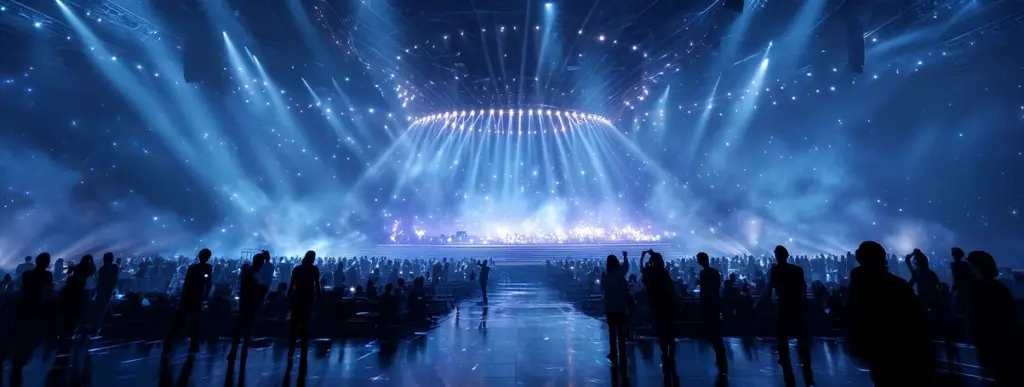
The music industry has witnessed a dramatic shift as countless artists abandon traditional venues in favor of digital stages. Virtual concerts now regularly attract millions of viewers, generate substantial revenue, and create interactive experiences that traditional venues could never accommodate. This accessibility has democratized live performance, allowing emerging and skilled musicians to build international fanbases and generate consistent income through digital platforms.
What are Virtual Music Events?
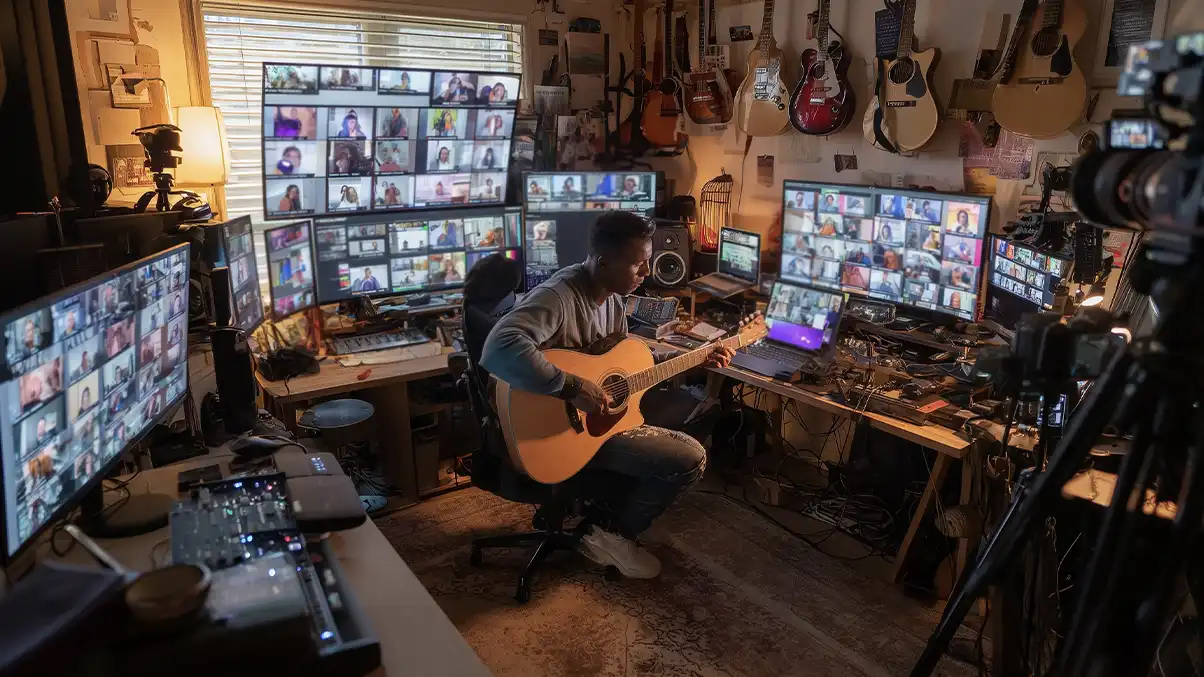
Virtual music events are digital performances where artists connect with audiences online rather than in traditional physical venues. Interactive online music events use streaming technology, specialized software, and often incorporate real-time audience participation elements.
Unlike simple video recordings, online music events create live engagement between artist and audience through digital means. Travis Scott’s Fortnite concert attracted over 12 million live viewers, while Billie Eilish’s virtual performance on Animal Crossing reached millions of fans who wouldn’t be able to attend her concert otherwise.
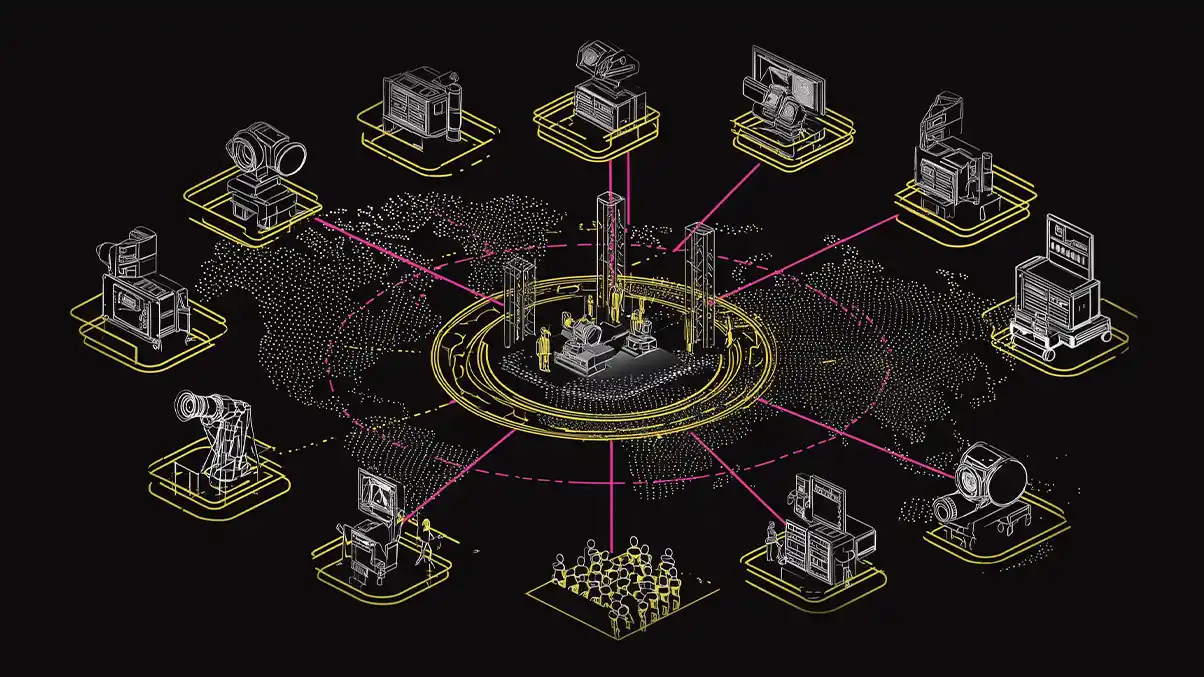
Online music events typically feature several key components:
- Interactive audience participation. Fans can request songs, send messages, participate in polls, and even influence visual elements during the performance through chat functions and digital tools.
- Multi-camera performance setups. Professional virtual concerts use multiple angles, close-ups, and dynamic shot changes that create more intimate viewing experiences than traditional concert footage.
- Digital merchandise and fan experiences. Virtual event platform integration allows for immediate merchandise sales, exclusive content access, and digital collectibles that enhance the overall experience.
Global accessibility without location barriers. Virtual music events eliminate the main issues associated with live events, such as limited venue capacity and geographic restrictions.
Main Advantages of Virtual Music Events
Virtual music events are attractive to both artists and fans because of their unlimited global reach. Cost efficiency represents another major advantage of online music events. Artists save thousands on venue rental, equipment transportation, and touring logistics while fans avoid travel and accommodation expenses. This accessibility means artists can host regular virtual shows with a budget that would be unrealistic with traditional touring.
The creative possibilities in virtual music events far exceed what physical venues can offer:
- Unlimited visual effects and stage design. Artists can create impossible environments, change backgrounds instantly, and incorporate visual elements that would cost millions to produce physically.
- Real-time fan interaction during performances. Unlike traditional concerts where audience participation is limited, virtual shows allow fans to influence setlists, request songs, and directly communicate with artists.
- Flexible scheduling and format options. Online music events can run for any duration, incorporate guest appearances from multiple locations, and adapt to different time zones for global audiences.
- Enhanced audio and video quality. Professional virtual concerts often provide better sound quality and multiple viewing angles than many live venues, especially for fans seated far from the stage.
- Data collection and fan insights. Virtual platforms provide detailed analytics about audience preferences, engagement patterns, and demographic information that helps artists improve future performances.
These advantages explain why many artists are incorporating virtual music events into their regular performance schedules rather than viewing them as temporary alternatives. The combination of cost savings, creative freedom, and enhanced fan engagement creates compelling reasons for musicians to embrace digital concert formats alongside traditional touring.
Potential of Virtual Events in the Music Industry
As the music industry continues to embrace virtual technology, it becomes more and more apparent that this shift isn’t just a temporary trend. Virtual music events offer revenue potential and creative opportunities that traditional live events simply cannot match.
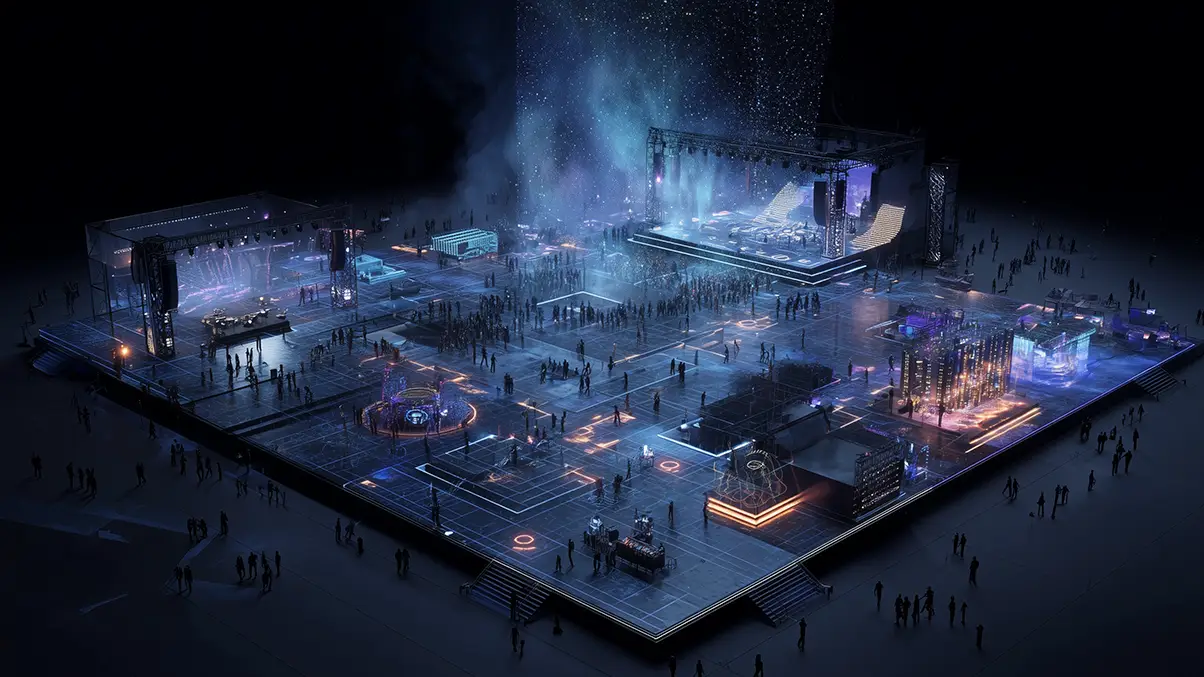
Virtual concerts reduce overhead costs and allow artists to keep a much larger percentage of ticket sales.
The scalability of online music events creates unprecedented opportunities:
- Artists can host multiple virtual shows per week, dramatically increasing earning potential compared to traditional touring schedules.
- Digital platform integration allows for diverse monetization streams, including premium experiences, exclusive content, and virtual merchandise that complement ticket sales.
- Interactive features create deeper fan relationships that translate to long-term loyalty and recurring revenue through subscription models or frequent virtual event attendance.
- Global reach expansion helps emerging artists build international fanbases without expensive promotional tours or record label support.
- The technology supporting virtual music events continues advancing rapidly. Performance quality improvements, interactive capabilities, and platform sophistication suggest that digital concerts will become increasingly popular alternatives to traditional live events.
Music industry leaders predict that virtual formats will not replace physical concerts but rather create a complementary ecosystem where artists can maintain constant connection with fans between traditional tours through regular online music events.
Conclusion
Most of the musicians switching to virtual formats aren’t abandoning live performance — instead, they’re expanding their possibilities. Online music events allow artists to maintain a strong connection with fans, experiment with new creative formats, and build global audiences without the constraints of physical venues.
For music fans, this shift means greater access to their favorite artists, more interactive experiences, and the ability to discover new music from around the world without leaving home. The virtual revolution in music has only just begun, and we’re happy to be here to not only witness it but also directly contribute to it.
FAQ
How much money can artists make from virtual concerts compared to live shows?
Artists often earn higher profit margins from virtual music events because they eliminate venue fees, touring costs, and travel expenses. Independent musicians report earning more from single online music events than from entire traditional tours.
Can virtual concerts create the same energy as live performances?
Virtual music events create different but equally engaging energy through interactive features like real-time chat, song requests, and direct artist interaction. While they lack the physical presence of live events, digital concerts offer intimacy and personal connection that large venues cannot provide.
How do fans interact during virtual music events?
Online music events offer multiple interactive features, including live chat, song requests, polls, and direct messaging with artists. Digital platforms enable real-time audience participation that influences performance elements like lighting, setlists, and visual effects. Fans can also purchase virtual merchandise, access exclusive content, and participate in interactive games during shows.
