

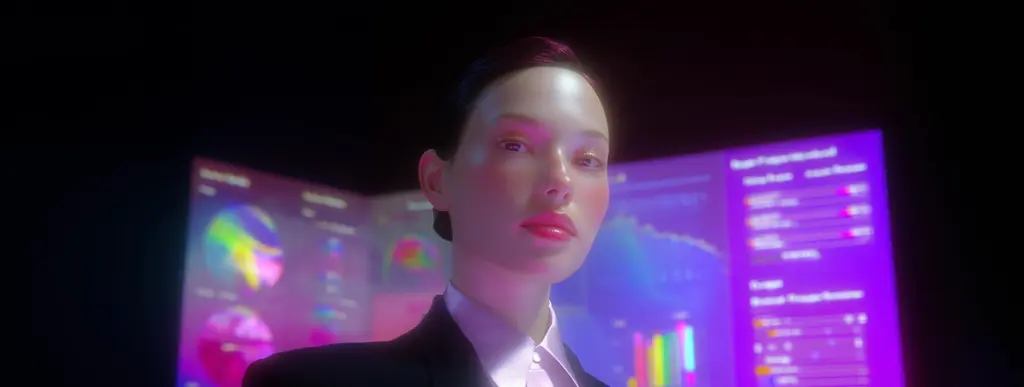
AI music manager solutions help streamline workflows, analyze audience data, and create personalized marketing strategies. Both independent musicians and established labels are discovering the efficiency and effectiveness of these tools.
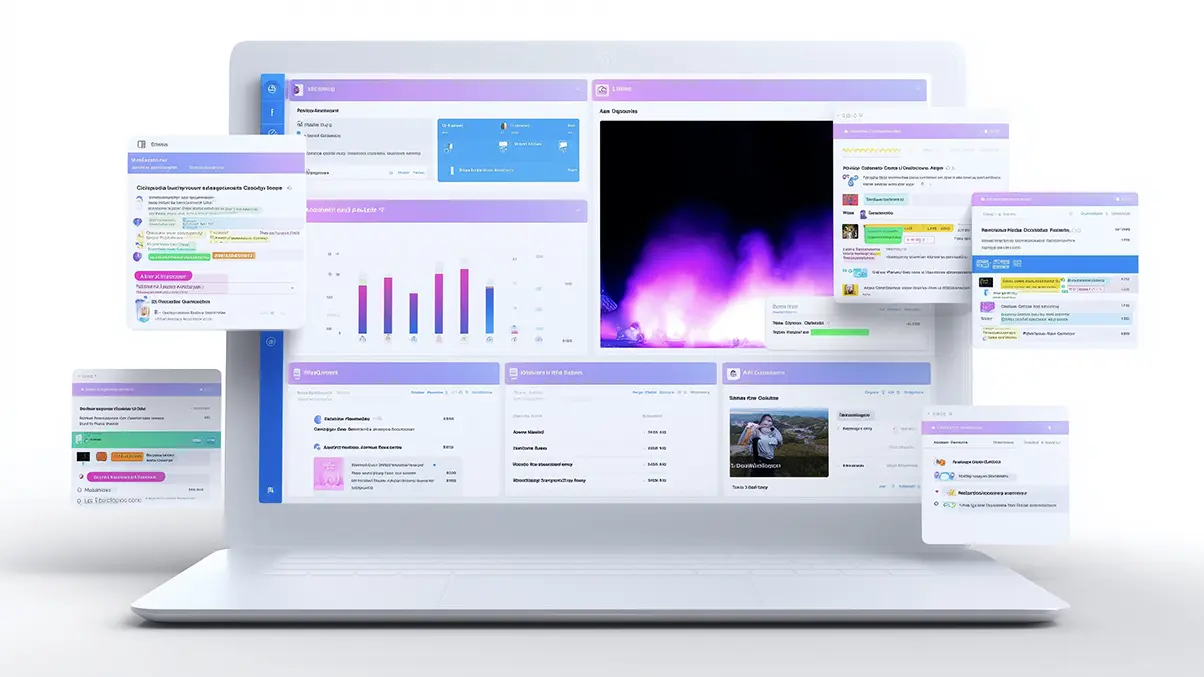
The transition to virtual management was accelerated by pandemic restrictions, but its benefits extend far beyond remote work capabilities. Today’s artist management roles are being enhanced by artificial intelligence, allowing for more data-driven decisions and automated administrative tasks.
What is AI-Powered Artist Management?
AI music manager systems use artificial intelligence to handle traditional management tasks while providing enhanced data analytics and strategic insights. These platforms can operate independently or augment human managers’ capabilities. AI music manager platforms offer varying levels of autonomy. Some handle specific tasks like scheduling and social media, while comprehensive systems manage entire career strategies. The digital transformation of artist management is still evolving, with new capabilities being developed rapidly.
Traditional artist manager functions are being automated and enhanced through machine learning algorithms. These systems learn from industry patterns and artist-specific data to make increasingly personalized recommendations over time.
Core AI Management Functions for Artists
AI music manager platforms effectively handle schedule optimization and calendar management. They also can automatically coordinate tour routing, release planning, and promotional activities.
Data-driven marketing suggestions are generated based on audience analytics. Content is customized for different platforms and demographics to maximize engagement and conversion.
Top AI management functions:
- Automated scheduling and deadline tracking.
- Royalty collection and payment distribution.
- Fan engagement analysis and optimization.
- Personalized marketing campaign generation.
- Performance opportunity identification.
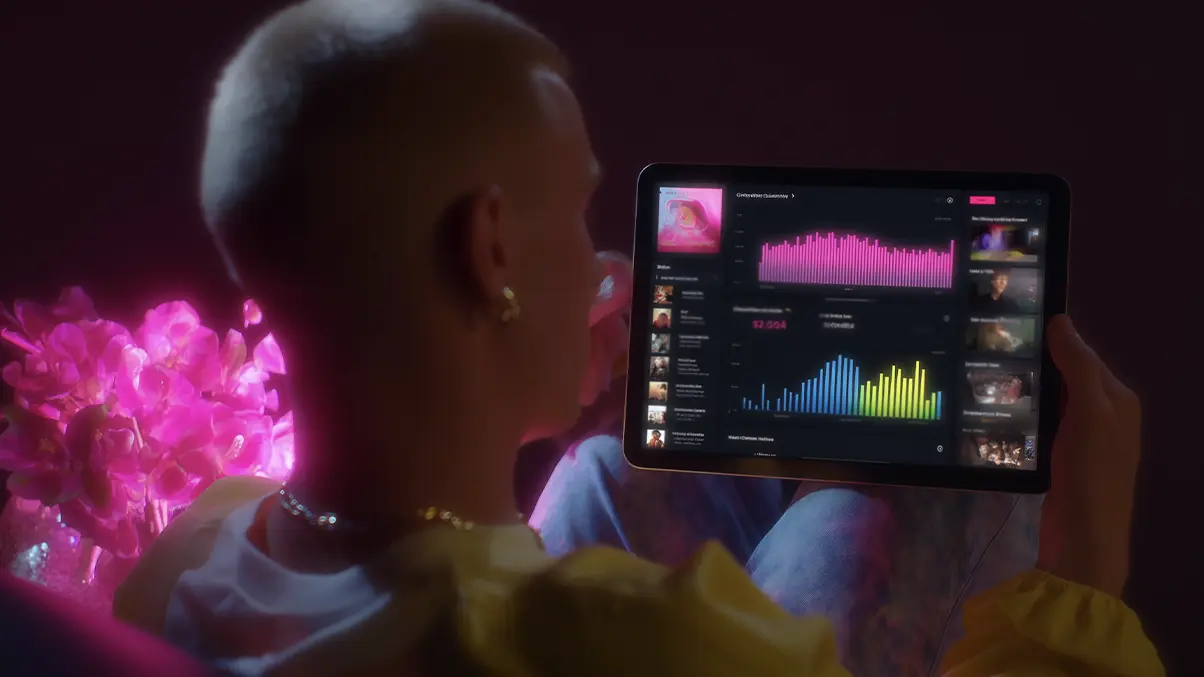
With the help of AI music manager systems, musicians can focus more on creative work rather than administrative tasks.
Predictive analytics of audience trends and pattern recognition can enhance strategic career planning and identify growth opportunities that human managers might not immediately notice.
Technology Platforms Powering Virtual Management
Cloud-based solutions allow access from anywhere while maintaining data security and providing regular updates. Integration capabilities with existing music industry tools are essential features. Compatibility with streaming services, social media, and financial systems creates seamless workflows.
The most effective AI music manager systems are designed to scale with artist growth. Entry-level solutions cater to independent musicians, while enterprise options support major label rosters.
Mobile accessibility is prioritized by leading platforms in this space. Management functions can be handled remotely through intuitive interfaces designed for on-the-go professionals.
Label and Agency Implementation Strategies
Gradual adoption approaches are recommended for established management companies. AI music manager tools can be implemented in phases to minimize workflow disruption.
Human-AI collaboration models are being developed to maintain the valuable personal touch of traditional management. The most successful implementations view AI as an enhancement rather than a replacement.
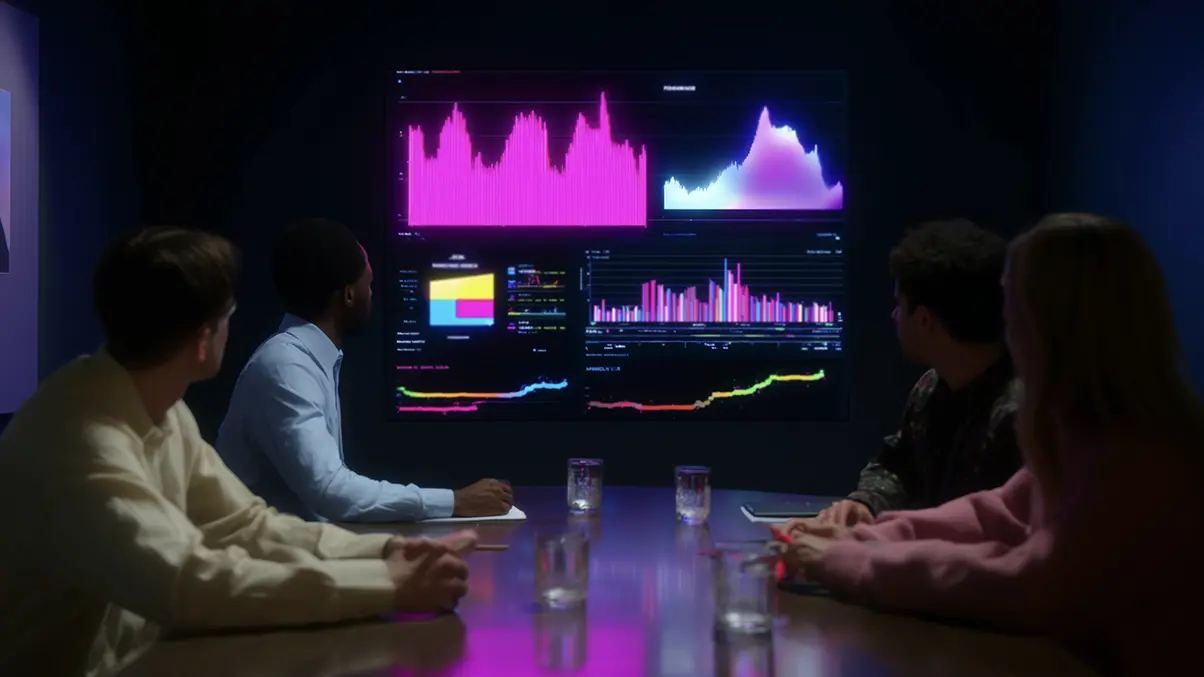
Strategic approaches for implementing AI management solutions:
- Incremental adoption strategy. Begin with one business function like scheduling or analytics, perfect it, then expand to additional areas based on early success and lessons learned.
- Parallel processing approach. Run AI systems alongside traditional management methods for 3-6 months, comparing results before fully transitioning specific functions.
- Talent-centered implementation. Start with your most tech-savvy artists who are excited about innovation, using their success stories to demonstrate value to more traditional clients.
- Data foundation strategy. Focus initially on building comprehensive, clean datasets across your artist roster before activating advanced AI features that depend on quality information.
- Competitive advantage focus. Identify where competitors are weakest in their artist services and implement AI solutions specifically targeting those areas first.
- Client retention approach. Prioritize features that directly enhance the artist experience and demonstrate immediate value.
- Revenue acceleration strategy. Begin with AI functions directly tied to income generation, such as optimizing streaming placement or identifying merchandising opportunities.
Artist buy-in should not be overlooked in the implementation process. Transparency about how AI tools will be used to support their careers helps build trust and enthusiasm.
Managing the AI-Human Collaboration
Clear role definition is essential for successful implementation. AI music manager tools excel at data processing and pattern recognition, while humans provide creative insight and relationship management.
Trust in AI recommendations develops gradually as their effectiveness is proven. Managers should verify AI suggestions initially but can rely more heavily on them over time.
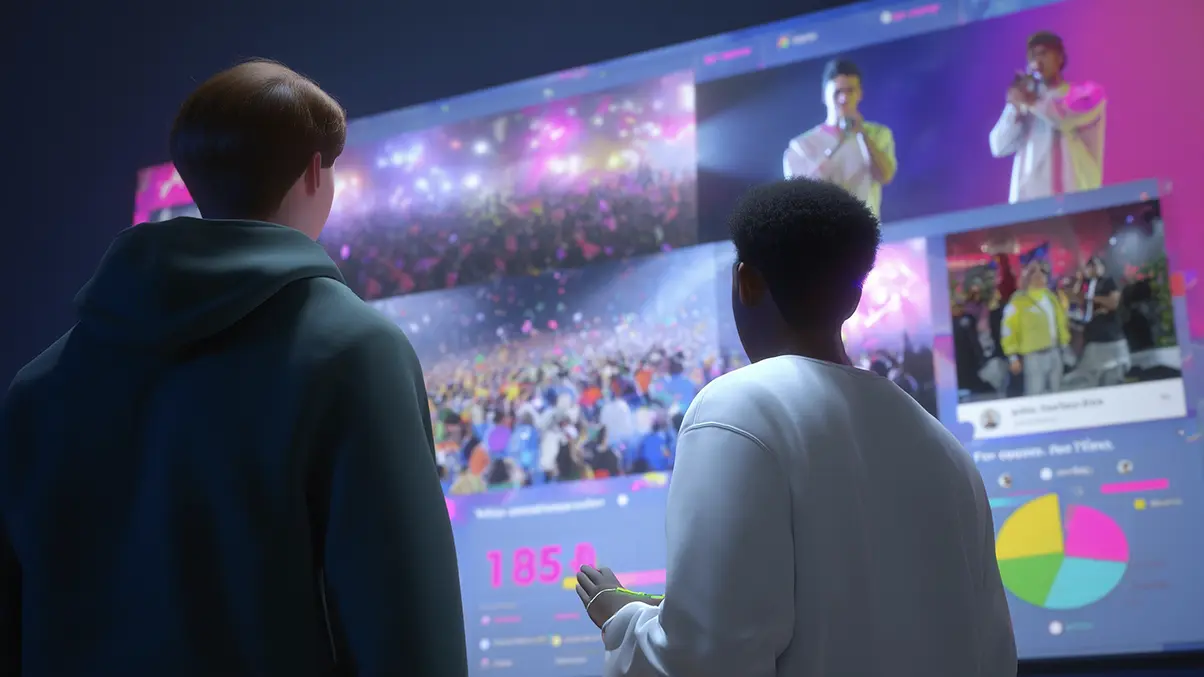
Personal relationships remain vitally important in the music industry. The emotional intelligence and networking capabilities of human managers complement the analytical strengths of AI music manager systems. The ideal approach combines technological efficiency with human creativity. This balanced collaboration delivers superior results compared to working alone.
Final Thoughts
As technology continues advancing, the capabilities of virtual management will expand further.
The future belongs to those who can effectively blend technological assistance with human creativity. The smart artist recognizes that AI music manager systems don’t replace human judgment but enhance it.
FAQ
What is the AI manager for musicians?
There are various AI tools that perform management-like functions for musicians. These include platforms that help with music promotion, licensing, and monetization, providing artists with end-to-end solutions for growing their audience and revenue. Some AI systems offer template-based music creation across multiple genres and provide support for music distribution, essentially managing various aspects of a musician’s career from production to promotion.
Can an AI music manager completely replace a human manager?
No, AI music manager systems excel at data analysis and administrative tasks but lack the relationship-building skills and emotional intelligence of humans. The most effective approach combines AI efficiency with human creativity and networking abilities.
