


Overview

Major music festivals like Coachella, Lollapalooza, and Glastonbury are not just cultural powerhouses – they’re also magnets for high-profile brand sponsorships. These events draw massive audiences, offering brands unparalleled opportunities to showcase their products and services to a captive audience. As the digital space continues to evolve, virtual concerts are emerging as compelling alternatives, attracting millions of global online attendees and a growing wave of corporate interest.
With virtual events now occupying a significant place in the entertainment landscape, brands with virtual company event ideas but without the means to organize their own may turn to sponsorships to get exposure to digital audiences, while organizers can involve virtual event sponsors to fund and elevate their productions.
Whether you’re a marketing team looking to amplify your brand in a virtual concert setting, or a virtual event organizer hoping to monetize your audience through sponsorships, we’ll explore how virtual event sponsorship opportunities work, what makes an event sponsor-friendly, the types of sponsorship packages available, and how both sides can find alignment for mutually beneficial partnerships.
What Is virtual event sponsorship?
Virtual event sponsorship refers to the strategic collaboration between digital event organizers and brands, where companies fund or support an event in exchange for marketing exposure and engagement with a relevant audience.
This model is mutually beneficial. For organizers, virtual event sponsors offer an essential revenue stream that can offset production costs and increase the quality and reach of the event. For brands, it’s a powerful way to gain direct access to a curated audience, test digital marketing tactics, and drive brand awareness in new and immersive ways. Virtual event ideas can be realized creatively and dynamically, opening the door to limitless possibilities for collaboration between organizers and sponsors.
Differences between live and virtual event sponsorships
While the core idea of sponsorship remains funding in exchange for exposure, the way it manifests in virtual settings is significantly different from live events.
The most obvious distinction lies in the format. Virtual event sponsors rely entirely on online channels, requiring a tailored digital approach. There’s no physical signage or booths, no face-to-face networking, and no tangible merchandise. Instead, everything from branded overlays and in-platform ads to interactive virtual booths and digital merchandise must be optimized for screens.
Cost efficiency is a notable benefit. Without the logistical expenses tied to venues, travel, accommodations, or printed materials, virtual events allow brands to participate with a lower upfront investment. This also makes the barrier to entry lower for small to medium businesses looking to explore event sponsorships without committing a large budget.
However, sponsorships for virtual events come with their own set of challenges. For instance, attendance is less predictable: without a physical gate or set capacity, it’s harder to guarantee how many people will show up, how long they’ll stay, or how engaged they’ll be. Attendees may pop in and out, watch asynchronously, or multitask during the experience.

Despite this uncertainty, the virtual format offers something live events can’t: user data. From attendance metrics to engagement levels, click-through rates, and demographic breakdowns, sponsorships for virtual events provide brands with valuable consumer insights that are often difficult to collect in a physical setting.
Another key benefit is scalability and global reach. Virtual event activities aren’t bound by geography or venue size. A concert that might have been capped at 10,000 in person can suddenly attract a million viewers from around the world. That makes sponsorship exposure highly customizable – virtual event sponsors can go big with global reach or target specific segments based on regions, interests, or even devices.
How to open your virtual event to sponsors
If you’re organizing a virtual concert, tapping into sponsorship opportunities for virtual events not only helps fund your project but also adds credibility. Sponsors signal legitimacy, prestige, and trust, which can, in turn, attract more attendees and press attention. In order to make their event attractive to virtual event sponsors, they must demonstrate their value.
The first step lies in identifying companies that align with your target audience. If your event skews toward Gen Z music fans, then tech brands, fashion labels, or gaming companies might be ideal candidates. Consider established corporations with dedicated sponsorship budgets, but make sure not to discount smaller businesses that might benefit from niche exposure.
Don’t underestimate the power of your personal and professional network. Oftentimes, virtual event sponsors may come through existing relationships, industry contacts, or referrals. Leverage your network to start conversations and build trust.
Next, define a compelling value proposition. What are you offering virtual event sponsors in return for their investment? Think about how their brand will be integrated into your event. Will their logo appear on the virtual stage? Will you offer branded merchandise or avatars? Can you provide post-event analytics that demonstrate ROI? These are key questions virtual event sponsors will want answers to.

Compile this information into a virtual event sponsor pitch deck. Your pitch should be clear, visually engaging, and tailored to each company you approach. While working off a general template is fine, personalizing each message to reflect the brand’s goals will greatly increase your chances of success.
Make it easy for brands to say yes by demonstrating demand and popularity. Show off your social media engagement, RSVP numbers, email subscribers, or media coverage. Highlight past successes or testimonials if applicable. The more you can show that your event has traction and visibility, the more attractive it becomes to virtual event sponsors.
Finally, a comprehensive sponsorship scheme will allow companies to sponsor your event in multiple ways, depending on their budget and level of interest. Consider offering sponsorship levels and packages – elaborated on in the following section of the article.
Virtual Event Sponsorship Levels and Packages
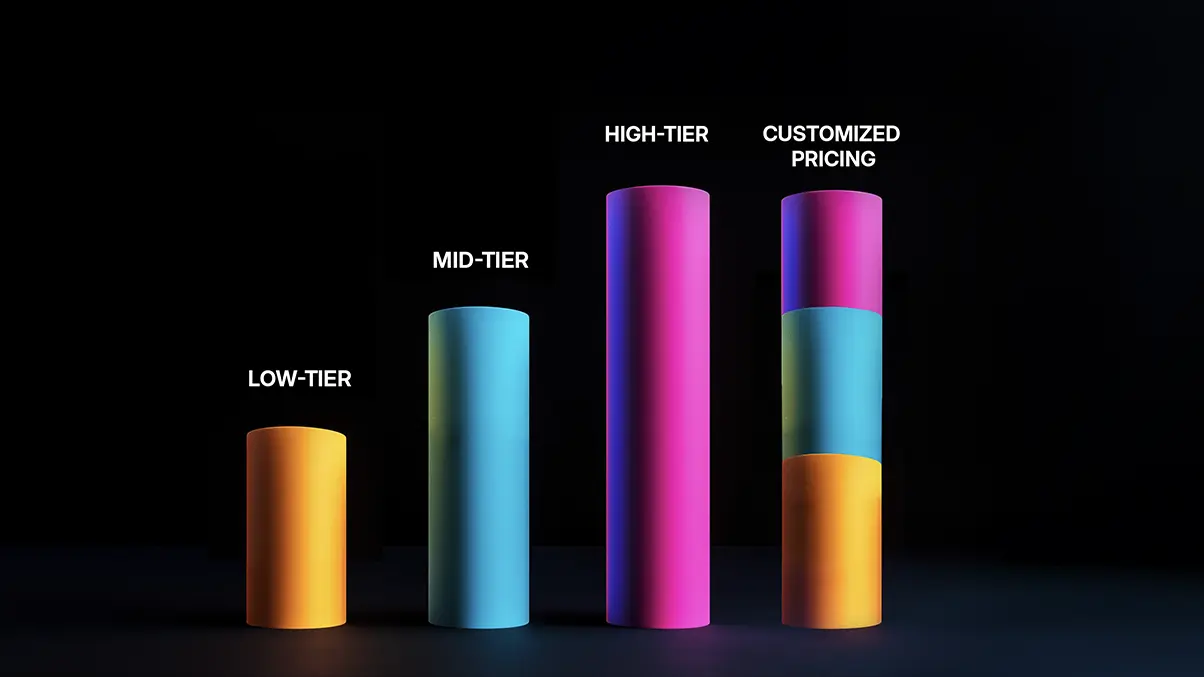
Creating structured sponsorship levels for virtual events is essential for attracting a wide range of brands. Not only do they make it easier for potential sponsors to assess the value of their investment, but they also allow organizers to tailor offerings based on different budgets and engagement expectations.
Entry-level
Entry-level sponsorships are ideal for smaller businesses or companies new to virtual event marketing. These packages typically focus on basic visibility and awareness. Virtual event sponsors at this tier may receive logo placement on your event’s landing page, branding in promotional emails, and mentions in social media campaigns. Though exposure is relatively limited, this tier offers a cost-effective way for sponsors to dip their toes into virtual event engagement while still benefiting from brand alignment with a targeted audience.
Mid-tier
Mid-tier sponsorship levels for virtual events offer a deeper level of brand integration. Sponsors at this level often receive opportunities to feature in branded segments during the event — for instance, a specific musical performance or panel discussion might be introduced with a sponsor’s name. Mid-tier virtual sponsorship levels may also include access to interactive virtual booths where representatives from the sponsoring company can engage directly with attendees in real time. In some cases, mid-tier sponsors receive partial access to event data and audience insights, helping them assess engagement and campaign effectiveness. This tier balances increased visibility with moderate investment, offering both brand exposure and measurable outcomes.
High-level
High-level sponsorships, often called premium or headline sponsorships, offer the most extensive and immersive brand involvement. Virtual event sponsors at this tier are typically integrated into nearly every aspect of the event. This can include co-branding the entire event (“Presented by [Sponsor Name]”), custom virtual assets such as 3D stages or branded digital merchandise, and even the ability to shape part of the programming or content. These sponsors also usually receive full access to audience analytics, helping them gauge return on investment in detail. At this level, the sponsor becomes a strategic partner, enjoying high visibility and exclusivity in exchange for a significant investment.
Custom sponsorship packages
Some organizers also offer custom sponsorship packages, allowing brands to select specific assets or opportunities that align with their marketing goals. This could include standalone options like branded augmented reality filters, access to event-specific NFTs, data-sharing agreements, or sponsorship of a single feature (like a virtual photo booth or leaderboard). These flexible models are particularly effective for sponsors with niche interests or non-traditional goals, and they allow organizers to attract sponsors who might not fit neatly into predefined tiers.
Ultimately, structuring your sponsorship offerings across these tiers creates a scalable model that appeals to a broad range of potential partners, both for virtual and in-person event sponsorships. This approach not only maximizes your sponsorship revenue but also strengthens relationships by offering value at each one of the virtual sponsorship levels.
How brands can connect with virtual events
For brands interested in becoming virtual event sponsors, the key is to be proactive and strategic.
Begin by identifying your target market. Who are you trying to reach? What kind of online communities align with your brand’s message? Virtual concerts cater to a wide range of niches, each with its own demographics and psychographics.
Once you know your audience, look for events that already serve that space. Don’t hesitate to explore opportunities outside your immediate industry. Unexpected partnerships can be highly effective and introduce your brand to entirely new audiences.
Determine the scope of your involvement. Some brands benefit from sponsoring multiple smaller events, spreading their visibility across platforms. Others may prefer a deeper commitment to one major event where they can dominate the branding narrative.
As you evaluate opportunities, do your due diligence. Look for organizers with a proven track record or press coverage, and request data on past event performance where possible. If you’re approached with a sponsorship pitch, review it carefully and consider how the proposed activations align with your broader marketing strategy.
Above all, remain flexible. Virtual event ideas and practices are still evolving, and success often comes from creativity, experimentation, and adaptability.
Virtual Event Sponsorship Opportunities
Virtual event sponsorship opportunities are as diverse as the platforms and technologies that support them. Sponsors can be integrated into a virtual event in many ways beyond traditional banner placement or mentions.
Here are the key types of sponsorship activations:
- Branded Virtual Spaces – Sponsors can create their own 3D lounges, booths, or “worlds” inside metaverse-style platforms
- Branded Performances or Segments – Specific segments of a concert or panel can be “presented by” a brand, reinforcing awareness during high-attention moments
- Digital Product Placement – Items like avatars, digital merchandise, or stage visuals can be customized with sponsor branding
- Pre- and Post-Event Content – Brands can appear in behind-the-scenes content, artist interviews, or aftershows
- Gamification Elements – Sponsors can be tied to games, polls, or prize draws that reward attendee interaction
Virtual events offer the flexibility to innovate beyond physical limitations, making sponsorship both more interactive and more trackable.
Event Sponsorship Platforms
To streamline collaboration between brands and organizers, several platforms have emerged to facilitate virtual event sponsorship. These tools make it easier to find sponsors, manage integrations, and track performance.
Top Platforms for Virtual Event Sponsorship:
|
Platform |
Key Features |
Ideal For |
| SponsorMyEvent | Marketplace that connects organizers with sponsors across industries | Small-to-mid-size virtual events |
| Hopin | All-in-one event platform with built-in sponsor tools and analytics | Conferences, hybrid events |
| Eventbrite | Includes sponsorship ticket tiers and registration tools | Webinars, concerts, fundraisers |
| Run The World | Offers branded virtual booths and sponsor segmentation tools | Niche communities, workshops |
| Swapcard | Networking and AI-matching tools for sponsors and attendees | Trade shows, expos, B2B events |
When choosing an event sponsorship platform, consider your technical needs, event size, and level of interactivity. Many platforms now integrate with CRMs and marketing suites to support data-driven campaigns.
What about hybrid events?
Hybrid events, which combine in-person experiences with virtual components, present unique sponsorship opportunities that bridge both worlds.
These events may feature physical activations such as booths, merchandise tables, and signage while simultaneously offering live streams, digital assets, and virtual attendee experiences. This dual format appeals to virtual event sponsors looking to engage both onsite and online audiences.
Sponsorship packages for hybrid events can be highly customizable. Some companies may want to focus solely on the physical space, while others might prefer the digital route, especially if they’re targeting remote audiences. The most effective sponsorships, however, are those that integrate branding across both environments, creating a seamless experience regardless of how the audience participates.
That said, hybrid events come with added complexity. They require the logistical planning of a live event combined with the technical demands of a virtual production. Budgeting must account for travel, shipping, venue fees, and more. But the potential payoff in high engagement across multiple channels can make these challenges well worth the effort.
FAQ
How can I get sponsors for a virtual concert?
To secure virtual event sponsors, identify brands with similar audiences, develop a compelling value proposition, and create a personalized pitch. Showcase your event’s reach, relevance, and return on investment. Be persistent and professional, and aim to build long-term relationships.
Do companies sponsor virtual concerts?
Yes, and the trend is growing. Major brands like Epic Games and Warner Music Group are investing heavily in virtual entertainment. Coachella, for instance, has launched its own virtual version, and platforms like Fortnite, famous for cross-media sponsorships, have hosted blockbuster concerts featuring top-tier artists.
What is virtual sponsorship?
Virtual sponsorship refers to the support of digital events or platforms in exchange for brand visibility, audience engagement, and access to data. It takes place entirely online, offering flexible and cost-effective opportunities for brands to connect with digital communities.
How do virtual brands work?
Virtual brands exist purely in the digital realm, often with no physical storefronts. They thrive through online communities, e-commerce, influencer partnerships, and increasingly, through participation in virtual event activities. As more aspects of life move online, the opportunities for virtual brands continue to expand.
How can companies host virtual events?
For brands wishing to go a step beyond sponsorships and entertaining their own virtual company event ideas, partnering with specialized virtual event production companies may be the best way forward. These firms exist to collaborate with brands and transform their virtual event ideas into reality with proven strategies and realization packages.
