

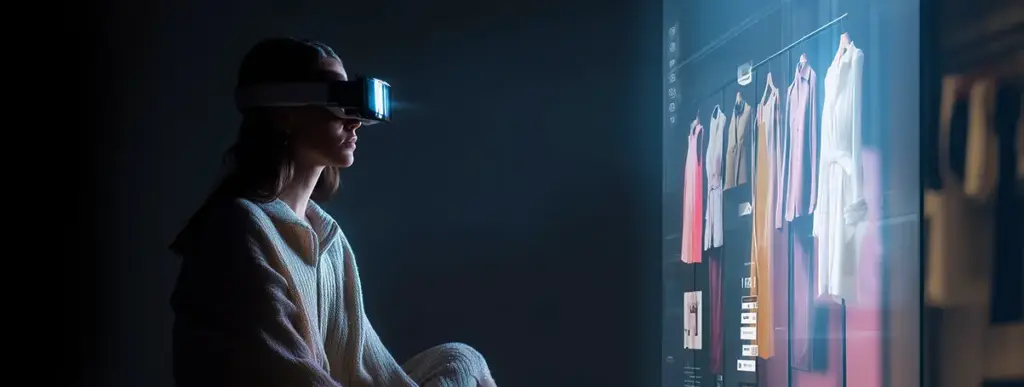
Capturing the attention of customers in a world oversaturated with flashy imagery and bold promises becomes more and more challenging. Brands are looking for innovative ways of connecting with their audiences. This is why, iIn recent years, virtual brand experience has emerged as a powerful tool for companies seeking to create memorable and engaging consumer interactions.
This guide will help marketing professionals and brand managers navigate the exciting world of VR-powered brand experiences and implement strategies that drive meaningful engagement in the digital age.
What is a virtual brand experience?
A virtual brand experience is a digital interaction designed to immerse consumers in a brand’s universe through technology. Unlike traditional marketing approaches that rely on passive consumption, these experiences invite active participation, creating memorable connections that resonate long after the interaction ends.
Here are the core components of a digital interactive brand experience:
- Immersion: creating environments that captivate multiple senses.
- Interactivity: enabling meaningful user participation and agency.
- Personalization: tailoring experiences to individual preferences.
- Narrative: embedding brand values within compelling storylines.
- Accessibility: ensuring experiences are available across multiple platforms.
These experiences exist along a technological spectrum, ranging from simple web-based interactions to fully immersive VR environments. What unites them is their focus on creating value through engagement rather than interruption, positioning brands as facilitators of meaningful experiences rather than mere product providers.
The most successful virtual branding initiatives understand that technology serves as the medium, not the message. The underlying strategy must align with broader brand objectives, audience preferences, and marketing goals to create authentic connections that translate into measurable business outcomes.
How can virtual reality technology be used for branding?
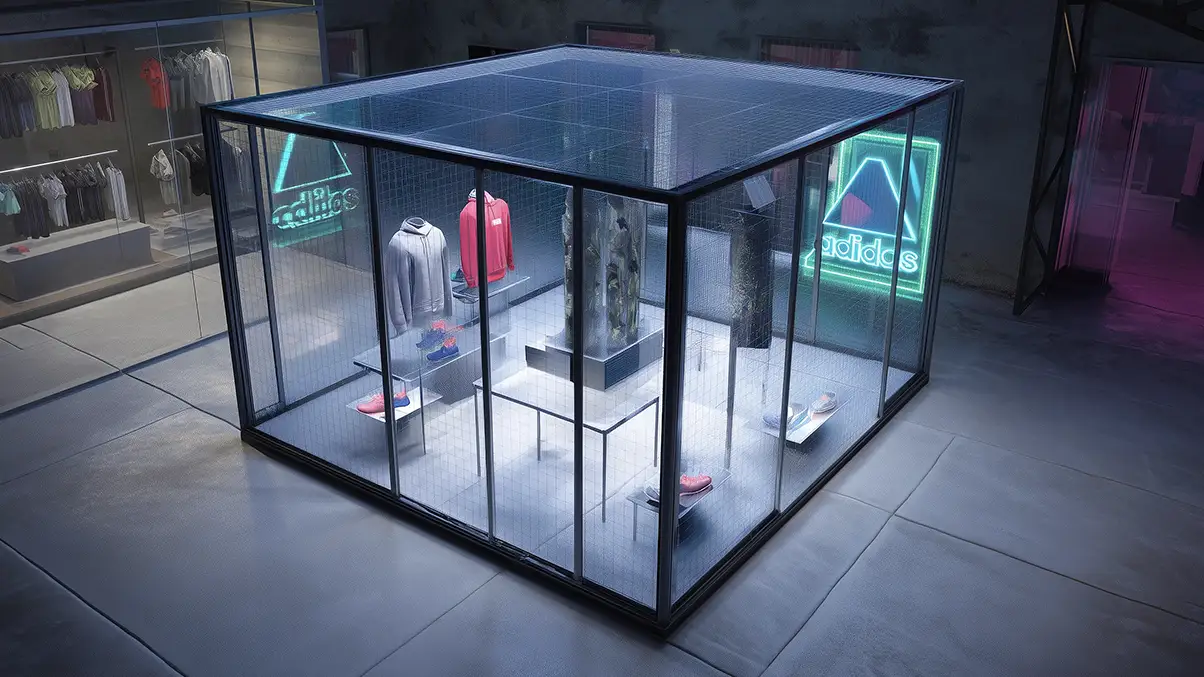
Virtual reality offers unprecedented opportunities for virtual branding, allowing companies to create controlled environments where every element can be customized to reinforce brand identity. This technology transforms passive observers into active participants, creating memorable experiences that form lasting impressions.
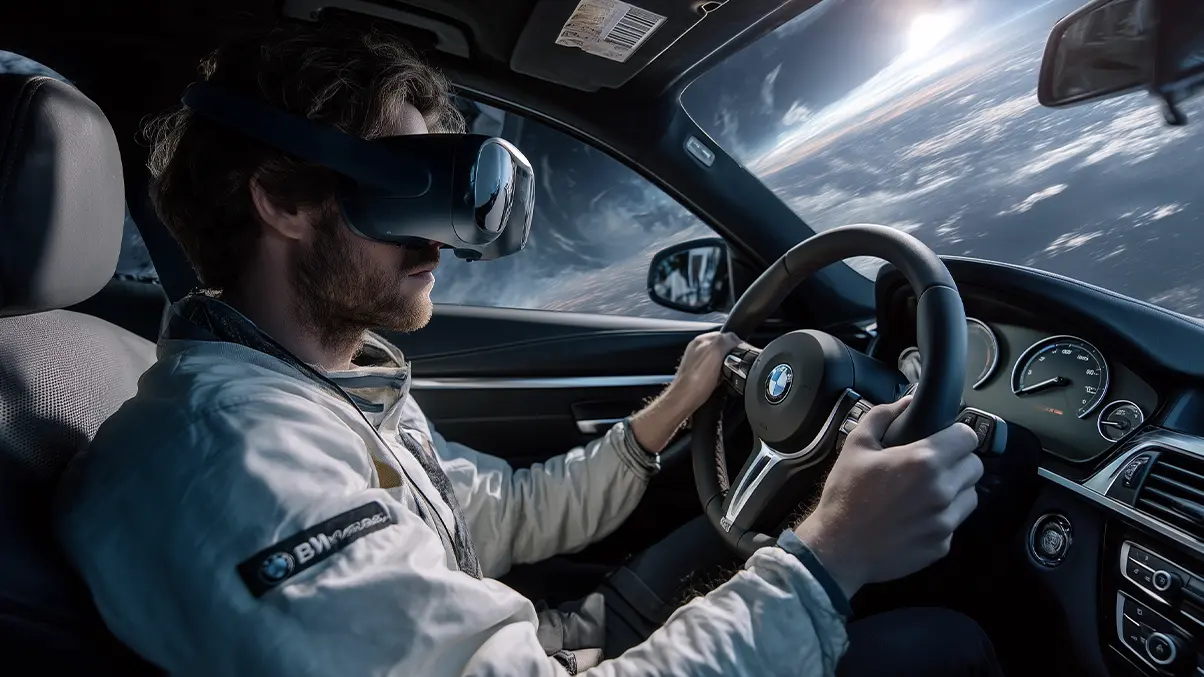
VR enables brands to showcase products in contexts impossible to recreate in physical retail environments. Companies like BMW and Audi allow potential customers to experience vehicles in diverse scenarios — from racing circuits to off-road adventures — without leaving the showroom. This approach is particularly valuable for products where functionality is best understood through use rather than observation.
Brands are increasingly creating digital retail environments that transcend the limitations of physical space. Fashion retailer Balenciaga launched a virtual store that not only showcased their collection but created an experiential journey reflecting the brand’s aesthetic. These environments can be accessed globally, eliminating geographical barriers while collecting valuable data on customer preferences and behaviors. Some of the most powerful virtual brand experiences focus not on products but on the values and narratives that define the brand.
Music festivals, product launches, and conferences increasingly offer VR components that allow remote participation, extending reach while creating new sponsorship and engagement opportunities. These hybrid approaches combine the energy of live events with the accessibility of digital experiences. The versatility of VR technology enables brands to create consistent yet customizable experiences that can be adapted to different market segments while maintaining core brand elements.
What are the Benefits of Using VR for Brand Activation?
Implementing VR as part of a virtual brand experience strategy offers numerous advantages that traditional marketing channels cannot match.
Elevated Engagement Metrics
VR experiences consistently demonstrate higher engagement compared to conventional media. Research indicates that users spend an average of 5-7 minutes engaged with branded VR content, while digital ads only hold their attention for mere seconds. This creates opportunities for deeper messaging and more comprehensive brand communication.
Emotional Impact and Memory Formation
A 2021 study found that participants experienced certain emotions stronger when playing in VR than on a flat screen TV. For brands seeking to establish lasting impressions, this emotional resonance represents a significant advantage.
Data Collection and Insight Generation
Virtual brand activations provide unprecedented opportunities to gather behavioral data that reveals how consumers interact with products and environments. Every movement, focus point, and interaction can be tracked, creating rich datasets that inform product development, store layouts, and future marketing campaign strategies.
Reduced Physical Limitations
Virtual experiences eliminate geographical constraints, allowing global access to brand experiences previously limited to specific locations. They also help expand reach while potentially reducing the environmental impact associated with physical events and product demonstrations.
Differentiation in Crowded Markets
As consumers become increasingly desensitized to conventional advertising, virtual branding offers a distinctive approach that can help companies stand out. Particularly for brands targeting digitally native demographics, VR demonstrates technological leadership while creating shareable experiences that extend organic reach.
How Do Augmented Reality and VR Work Together for Brand Engagement?

While often discussed separately, augmented reality (AR) and virtual reality frequently complement each other within comprehensive virtual brand experience strategies. Understanding how these technologies can work together enables marketers to create seamless customer journeys that leverage the strengths of each approach.
Complementary Strengths
VR excels at creating fully immersive environments that temporarily replace reality, making it ideal for deep engagement scenarios that benefit from undivided attention. AR, conversely, enhances the existing environment by overlaying digital elements, making it more suitable for everyday use and on-the-go interactions. Together, they can address different stages of the customer journey.
Connected Customer Journeys
Brands are creating integrated experiences where AR serves as an accessible entry point that can later lead to deeper VR engagements. Cosmetics brand Sephora exemplifies this approach with AR apps that allow product visualization in daily life, connected to more comprehensive VR-based virtual brand activations at special events or flagship locations.
Mixed Reality Experiences
The boundaries between AR and VR continue to blur with the emergence of mixed reality (MR) technologies. These hybrid approaches allow physical and digital elements to interact in real-time, creating immersive brand experiences that maintain awareness of the physical environment while introducing virtual elements.
What are the Best Practices for Implementing VR in Experiential Marketing?
Here’s how brads can create effective virtual brand experiences by prioritizing strategic objectives over technological novelty.

Begin with Clear Objectives
Successful VR implementations start with defined business and brand objectives rather than technology-first thinking. Whether the goal is increasing product understanding, creating emotional connections, or generating social sharing, these objectives should guide all aspects of experience design.
Prioritize User Experience
Technical barriers can quickly undermine even the most creative virtual branding concepts. Designing experiences that are intuitive, comfortable, and accessible ensures participants focus on the brand message rather than struggling with unfamiliar technology. This often means simplifying interactions and providing clear guidance throughout the experience.
Align with Brand Identity
The most effective VR experiences feel like natural extensions of existing brand identity rather than technological departures. Visual design, narrative tone, and interactive elements should consistently reflect established brand values while leveraging the unique capabilities of virtual environments.
Consider Distribution Strategy
Hardware requirements can significantly impact reach and accessibility. While high-end VR delivers the most immersive experiences, web-based and mobile VR options may reach broader audiences. Many successful virtual brand activations offer tiered experiences across multiple platforms to maximize both quality and accessibility.
Integrate with Broader Marketing Ecosystem
VR experiences should connect seamlessly with other marketing channels rather than existing in isolation. This integration might include social sharing functionality, follow-up email journeys, or connections to physical retail experiences, creating a cohesive brand ecosystem that guides consumers toward desired actions.
Measure and Iterate
Effective measurement frameworks capture both immediate engagement metrics and longer-term impact on brand perception and consumer behavior. These insights should inform continuous refinement, with successful elements expanded and underperforming aspects reconsidered in future iterations.
Final Thoughts
The evolution of virtual brand experience represents a fundamental shift in how companies connect with consumers in the digital age. By creating experiential engagements that transcend traditional advertising limitations, VR enables deeper, more meaningful relationships between brands and their audiences.
As technology continues to advance and consumer expectations evolve, virtual branding will likely become an increasingly essential component of marketing strategies across industries. Viewing VR not merely as a technological novelty but as a powerful medium for authentic storytelling and value creation is a promising strategy for any brand that wants to make real impact.
FAQ
What types of brands benefit most from virtual reality marketing?
VR marketing particularly benefits brands with complex products that are best understood through experience rather than description. However, any brand focused on creating emotional connections and memorable experiences can leverage VR effectively. The key is aligning VR capabilities with your specific brand story and customer needs.
How do I ensure my virtual brand experience reaches enough people?
Maximize reach by designing experiences that work across multiple platforms and devices rather than requiring specialized hardware. Consider creating tiered experiences that offer basic functionality on mobile devices while providing enhanced features. Partner with retail locations, events, or digital platforms to provide access points where customers can try the experience. Focus on creating shareable moments that encourage organic word-of-mouth promotion beyond the initial user base.
How can music labels use virtual platforms to promote their artists?
Music labels can leverage streaming platforms, social media, and interactive websites to create engaging virtual experiences for their artists. Virtual listening parties on platforms like Instagram Live or Discord allow fans to experience new releases together in real-time. Labels can organize virtual showcases featuring multiple artists, creating digital festivals that highlight their roster diversity.
