

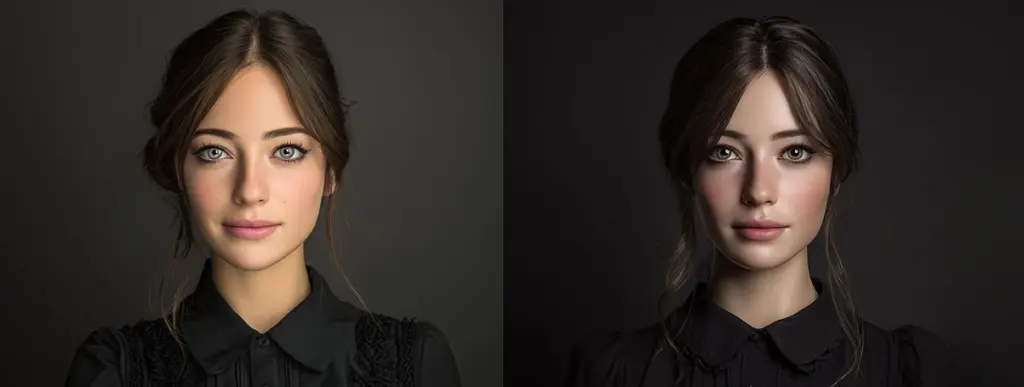
If you’ve seen the 2019 movie called Gemini Man starring Will Smith, then the concept of digital twins is probably not something foreign to you. You’ve seen what today’s entertainment can achieve when it leverages modern digital technology. For example, it can create a completely lifelike, identical copy of any human. However, in the movie, a digital replica of Will Smith’s appearance is worn by another actor. Digital twins that we’re going to talk about today exist in the virtual space completely separately from their real-life counterparts.
In this article, we explore what digital twins are, how they work, and how musicians and artists can use this technology to make their performances engaging and memorable.
What is a Digital Twin?
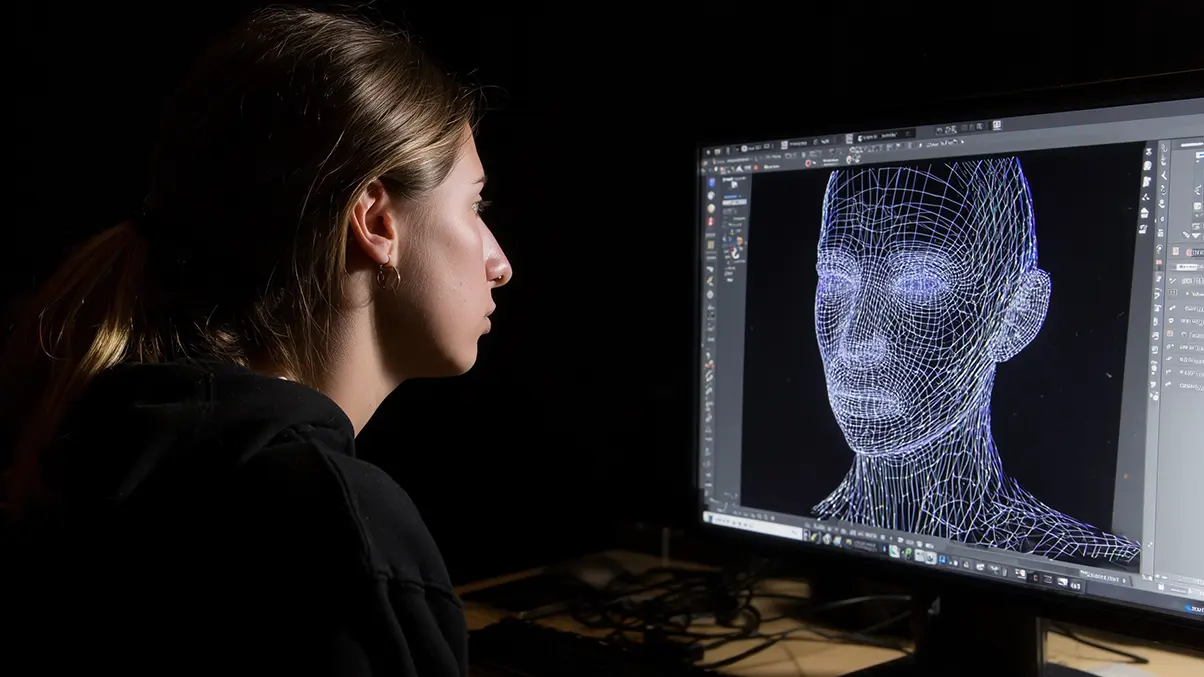
Roughly speaking, a digital twin is a digital representation of a real-world object or person. It generally refers to a virtual replica that uses real-time data and AI to mirror, simulate, and predict the behavior and characteristics of the original object.
The concept of a “digital twin” originates in the aerospace manufacturing industry. NASA was one of the first to use digital twin technology in the 1970s — only they called it a “living model.” They made digital copies of all of their spacecrafts and used them to simulate how they would behave in real life.
There isn’t one digital twin definition that everyone unanimously agrees on. Since this technology is still developing and isn’t as widely used, each AI avatar creator or digital twin service defines it for themselves.
How Are Digital Twins Made?
To make a perfect digital twin of a real-life object, you need to scan it, collect data about its characteristics, and then create a 3D model based on those characteristics.
First, a physical object — be it a NASA spacecraft or a human musician — is linked to a computer by sensors. Those sensors record data about the object or person and map it onto a 3D model that will soon become a digital twin.
A digital twin is not just something that looks like a real person. It can also sound and act like one. Voice recordings and behaviour patterns can also be used to create an even more realistic representation of a human in the virtual world. This kind of voice sampling has been around for ages — one of the first examples being the Vocaloid software. It’s a vocal synthesizer that lets artists record bits of voice recordings and rearrange them in their own compositions. Vocaloid has a huge fan base, including professional musicians and composers who only use synthesized vocals in their tracks.
When the model is ready to be brought to life, it can be used to represent its counterpart in the digital space. Sometimes developers incorporate artificial intelligence into digital twins to teach them how to be responsive on their own. For example, an AI-powered digital twin of a musician might be able to interact with fans and participate in virtual fan meetings.
What are the Benefits of Digital Twins for Musicians and Artists?
Digital twins offer musicians and artists a chance to enter an entirely new medium where the rules of real life no longer work. This change in environment presents challenges and advantages alike. Artists and musicians need to get creative and find new tools to express their creativity and maintain a connection and engage with their audience.
Music Production
With digital twin production, artists can experiment with different sounds, arrangements, and setups virtually. They don’t need to be physically present in the studio — having samples of their vocals is enough for producers to create full-blown tracks.
In addition, artists can unlock new collaboration options. Before, musicians who wanted to collaborate had to wait months and years before their schedules aligned for them to meet in person and work together. Now, they can simply use their digital twins to record songs, participate in virtual music festivals, and even film music videos.
Live Performance Design and Development
A 3D digital twin can be used to test the limitations of physical environments. For instance, if you have a 3D model of the stage you’re going to be performing live, you can simulate stage movements and lighting to choose the best-looking options before the event. An AI twin can also be helpful when testing choreography and planning performance timing. A digital twin of a person can help decide which scenarios will work best and avoid making mistakes on the day of the performance.
The future of digital twins in the music industry is bright. Maybe one day, this technology will become so advanced that it will allow artists to monitor their health, stress levels, or vocal strain using a digital twin of the human body. Predicting burnout or physical issues could also be one of the applications of a human digital twin.
New opportunities for fan engagement
At live events, interacting with fans is straightforward. However, when it comes to digital spaces, things become complicated. How do you maintain the same level of connection without seeing fans’ facial expressions and reactions? To resolve that issue, virtual concert platforms offer built-in interactive tools that let fans communicate with the artist.
For example, a digital concert platform might come with a live chat room feature where fans can react to the artist’s digital twin performance in real time. Another way fans can feel connected with the artist is through interactive polls: for example, they can vote to pick the design of the AI twin. Some of the more advanced platforms go even further: they offer digital avatars both to artists and fans, simulating the feeling and atmosphere of being in the crowd during a live show.
While imitating the energy of a real-life event can be challenging, modern digital technology has come very close to achieving that.
Examples of Successful Digital Twin Uses
We can talk about the advantages of digital twins all day. However, nothing is more convincing than actual examples of artists and musicians using this technology and reaching unprecedented success.
ABBA Voyage
ABBA released its final studio album, Voyage, in 2021, right on time for the 2020s disco revival craze. In 2022, the fans of the band had a chance to see their favourite artists perform their legendary tracks, just as they did in the 70s and the 80s, with the help of digital twin technology.
At the arena constructed specifically for the virtual concert, ABBA members appeared on stage as their younger selves in the form of virtual avatars. Motion capture technology was used to create exact copies of real musicians: everything, from their appearances to how they moved and acted, was extremely lifelike. Overall, around $175 million was invested in the digital show production. And if the standing ovation at the end of the event was anything to go by, one could say that ABBA Voyage was a success.
Travis Scott x Fortnite Concert
While celebrities have been as cameos of themselves in video games since the 2000s, Travis Scott was one of the first big-name celebs to hold a full-blown virtual concert at a multi-player game platform.
A 3D digital twin of Travis Scott performed his real-life counterpart’s most popular songs along with an entirely new track. The thing most of the audience remembered after was the visuals: the special effects, the futuristic look of Travis Scott’s avatar, and the way it moved in the digital space, teleporting and materializing across locations. All players were also teleported with the artist’s digital twin, which added to the immersive experience.
In total, 12 million players tuned in for the concert, and the rapper ended up earning around $20 million from it.
Warner Music and The Sandbox
The Sandbox, a decentralized worldbuilding and crafting game, collaborated with Warner Music Group to create an entire digital copy of a Brooklyn, New York, neighbourhood inside of a game called Breakin’ B.I.G. Dedicated to the world-renowned rapper Notorious B.I.G., it features a 2D digital twin of the artist in the style of 8-bit side-scrolling games popular in the 90s. Players follow the main character as he’s trying to become a famous rapper, solve quests, and interact with various NPCs.
This is a great example of how a musician’s digital twin can not only be used to recreate performances but also become a character in a video game with an engaging story and a large following.
Conclusion
Digital twins are becoming essential tools in music production and artist development. This technology opens new doors for creative self-expression, providing tools for artists to enhance their performances, become more productive, and find new opportunities for collaborations and sponsorships.
As digital twin services evolve, artists of all genres can benefit from digital twin as a service platforms. When looking for service providers that suit your needs, make sure that they can adapt to your artistic vision and respect your authenticity as an artist.
FAQ
What are human digital twins?
A human digital twin is a virtual representation of a person’s physical and behavioral characteristics. It uses biometric data, behavior patterns, and personality traits to simulate and predict the actions of a real person. This means they can be used in various scenarios, from performance testing to virtual fan engagement.
What is the difference between a virtual twin and a digital twin?
A digital twin is like a virtual copy of a physical object, system, or process, designed to reflect its real-world counterpart in real time. It’s often used for monitoring and controlling various operations.
On the other hand, a virtual twin is a broader concept that can involve multiple objects or systems, creating a more expansive environment. It allows us to explore hypothetical scenarios, rather than just sticking to the real-time representation that a digital twin provides.
Is digital twin generative AI?
A digital twin may use generative AI, but they are not the same thing. Generative AI can power the intelligence behind AI digital twins, letting them generate speech, visuals, or actions. However, digital twin technology also includes hardware solutions and data syncing.
What can digital twins be used for?
Digital twins can be used for simulation, monitoring, optimization, and automation.
In music, they enhance performances, streamline production, and engage fans virtually. In the future, they could be used to predict physical and mental symptoms like burnout or vocal strain in musicians.
What technologies make digital twins possible?
Digital twins are possible thanks to technologies such as AI, IoT, machine learning, cloud computing, and 3D modeling. Digital twins rely on data gathering (sensors or video), analytics, connectivity, and real-time modeling.
