

The relationship between music and gaming has evolved dramatically since the early days of 8-bit soundtracks. Today, the marriage of these two powerful entertainment media has created opportunities for artists, composers, and music industry professionals. As games become increasingly more realistic and engaging, the role of audio experiences within interactive environments evolves.
And as the global gaming market continues going from strength to strength, the opportunities surrounding gaming music keep growing. This growth creates a new playground for music companies looking for fresh revenue streams and audience engagement opportunities. From specially commissioned soundtracks to virtual concerts within game environments, the possibilities are practically limitless.
What is the Role of Video Game Music in Modern Gaming?
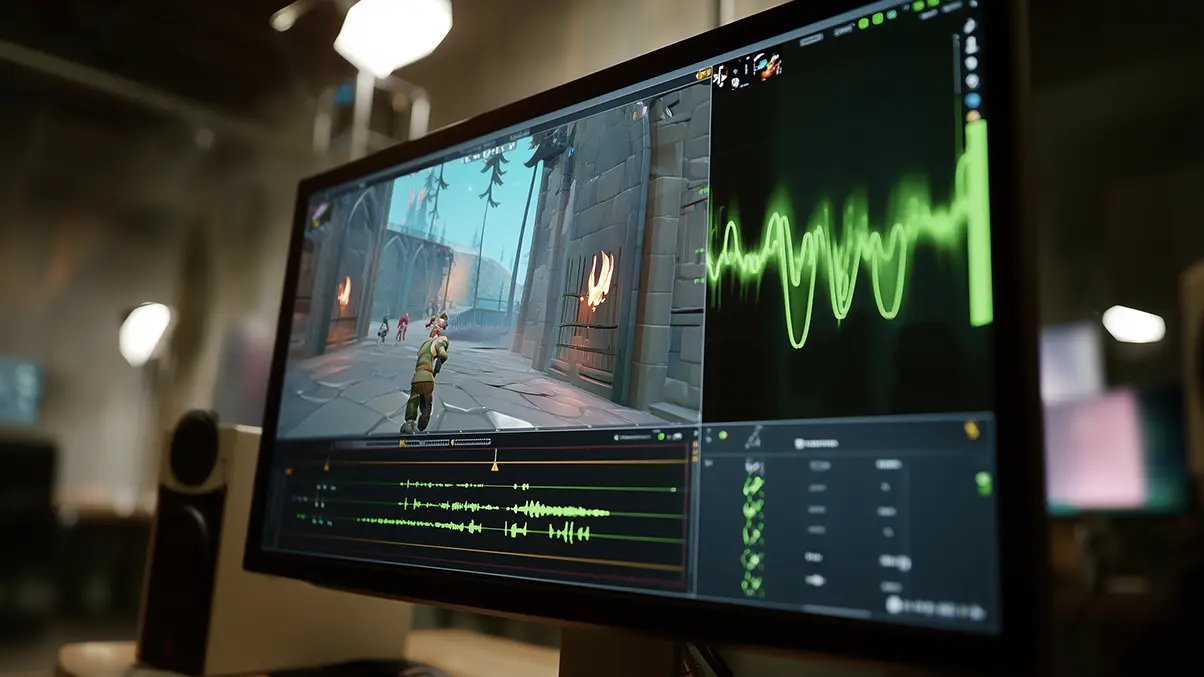
Video game music is much more than just background noise. Modern games use audio design to create immersive experiences that respond dynamically to player actions. This adaptive approach represents a fundamental shift from earlier gaming eras.
Music in contemporary gaming serves many functions, such as:
- Emotional engagement: Dynamic scores that adapt to gameplay situations.
- Narrative enhancement: Musical themes that develop as the story progresses, cueing players to important plot developments.
- Brand identity: Distinctive musical signatures that become instantly recognizable.
- Player guidance: Subtle audio cues that direct player attention toward objectives or hazards.
All that considered, it’s no wonder gaming music is increasingly drawing in new financial investments. For instance, companies in the AAA sector are often willing to spend millions of USD on sound design and music production, with some franchises commissioning highly complex pieces like full orchestral recordings. And composers and musicians are actively reaping the benefits of this demand.
The demographic reach of gaming has also expanded dramatically. Today’s gamers span all age groups, with the average player now in their mid-30s. This mature audience has sophisticated musical tastes and often looks up game soundtracks on streaming platforms outside the gaming environment. Popular game scores regularly get millions of stream plays on Spotify and other services, creating additional revenue streams for composers and rights owners.
Strategic Opportunities for Music Companies and Musicians
For music industry professionals, the gaming sector offers diverse revenue pathways that extend well beyond traditional licensing models. Forward-thinking music companies are already exploring strategic partnerships that leverage the massive engagement potential of interactive entertainment.

Licensing and Composition Opportunities
Soundtrack work and licensing remain the most established entry point for musicians. Game developers are constantly on the lookout for fresh compositions and existing tracks to enhance their products. While AAA titles often work with established composers, independent games are generally more open to working with emerging artists. These smaller productions frequently rely on music to help their titles stand out in a competitive marketplace.
Beyond Background Music
Music companies are increasingly exploring opportunities that transcend traditional soundtrack work:
- Virtual performances: in-game concerts attracting millions of viewers.
- Artist avatar integration: musicians appearing as playable characters or NPCs.
- Exclusive content releases: premiering new music in game environments before traditional platforms.
- Branded virtual merchandise: digital items featuring artist branding or themes.
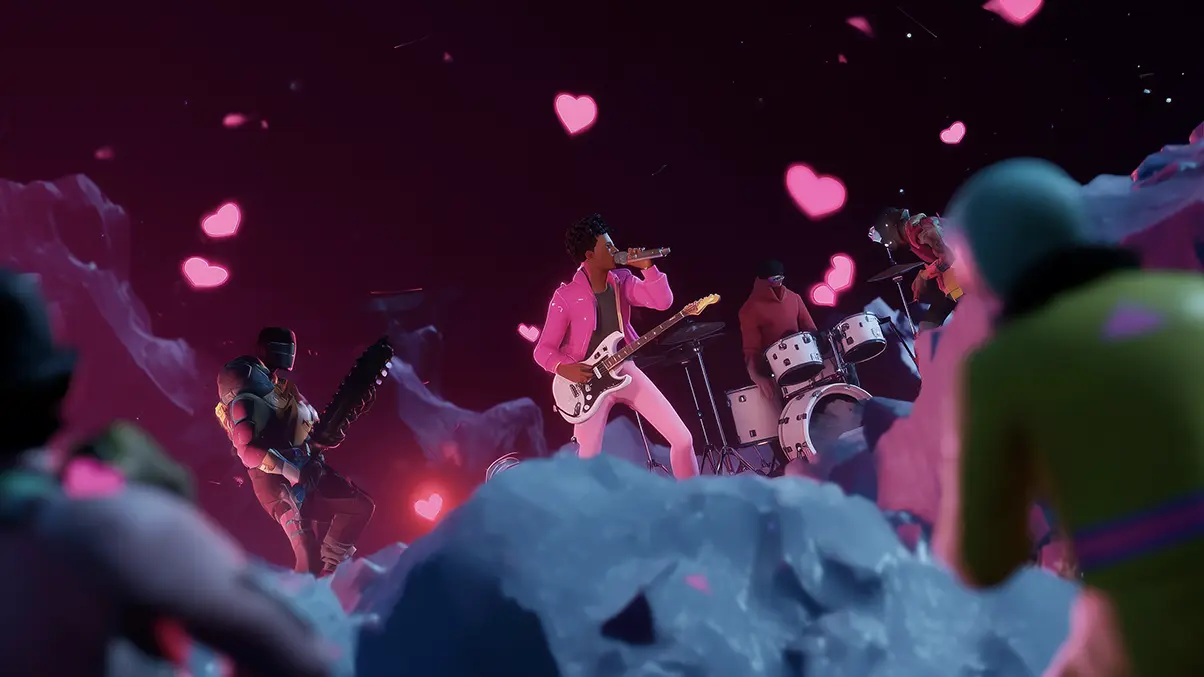
These innovative approaches allow artists to connect with audiences in highly engaged, interactive contexts. Major platforms like Fortnite and Roblox have demonstrated the massive potential of such integrations, with virtual concerts drawing viewership numbers that dwarf traditional performance venues.
Data-Driven Advantages
One significant benefit of music and gaming partnerships is access to detailed user behavior data. This is especially relevant for user-generated or event-driven environments, where users can directly interact with music content. Such game environments can provide valuable metrics on player engagement, including:
- When and how often specific tracks are played
- Player emotional responses to different musical moments
- Geographic and demographic information about listeners
- Direct conversion of data from in-game music exposure to external platform streams
This data allows music companies to refine marketing strategies and better understand audience preferences, creating advantages that extend beyond the gaming space.
Technology Innovations Reshaping Gaming Music
Technological advancements continue to expand the possibilities for video game music. Here are some of them that have made the most impact.
Adaptive Audio Systems
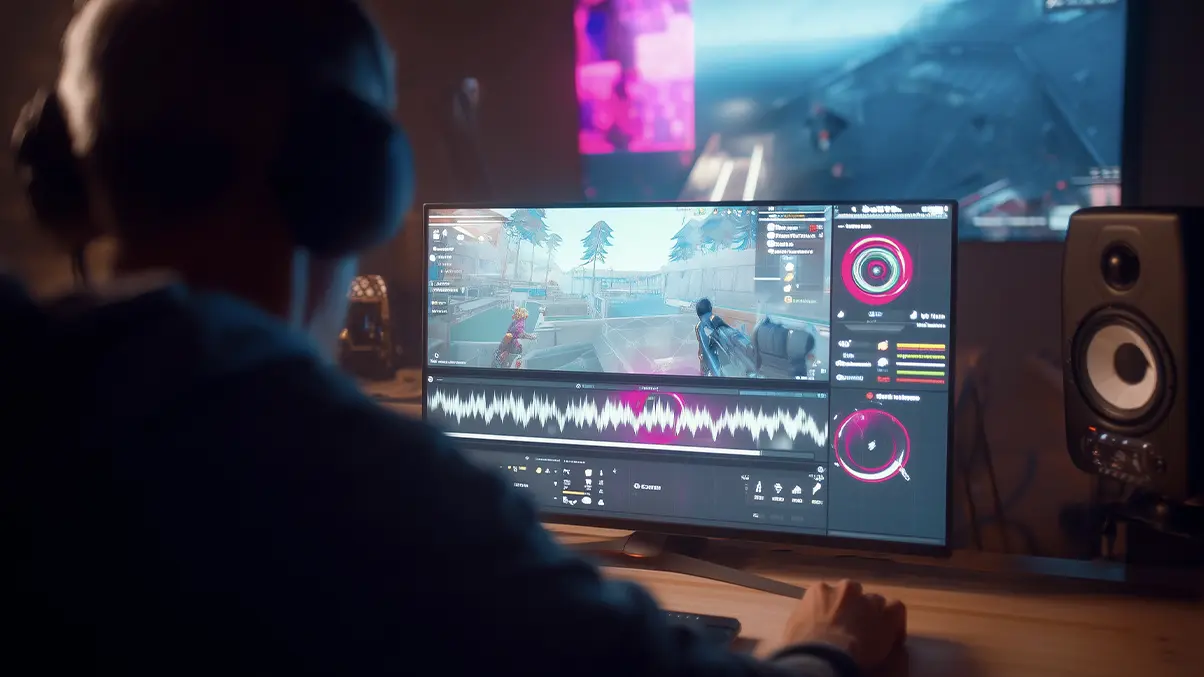
Modern game engines use adaptive audio systems that respond in real-time to player actions. These systems allow for seamless transitions between musical states, resulting in truly responsive soundscapes. Technologies like FMOD and Wwise give composers powerful tools to create music that feels organic and reactive within interactive environments.
Spatial Audio and Immersion
The rise of virtual reality and advanced audio processing has accelerated development in spatial sound technologies. These approaches create three-dimensional audio environments that significantly enhance player immersion. Composers working in this space must consider how their music will be perceived from multiple angles and distances, creating new creative challenges and opportunities.
AI-Assisted Composition
Artificial intelligence tools are increasingly supporting game audio production. While not replacing human creativity, these systems can:
- Generate variations on composer-created themes
- Dynamically adjust musical elements based on gameplay parameters
- Assist with orchestration and arrangement processes
- Create personalized soundtracks that adapt to individual player preferences
For independent developers with limited audio budgets, AI assistance can help create more sophisticated sound experiences than would otherwise be impossible. For established composers, these tools offer new creative possibilities and help make the workflow more efficient.
What Are the Future Prospects for Music in Video Games?
The integration of music and gaming stands at an exciting inflection point. These several emerging trends will likely shape the future of this collaboration.
Cross-Platform Music Ecosystems
The boundaries between gaming environments and traditional music distribution channels continue to blur. Major streaming platforms are exploring deeper integration with gaming ecosystems, creating seamless music discovery pathways between interactive and passive listening experiences.
Blockchain and Creator Economics
Blockchain technologies are beginning to influence how music rights and royalties function within gaming contexts. These systems could potentially:
- Make the compensation models for composers more transparent
- Create verifiable scarcity for digital music assets, enhancing their value over time
- Support direct artist-to-fan transactions within game environments
- Establish clearer ownership rights for collaborative compositions
Especially for independent musicians, these developments may help make music content monetization in the gaming space more fair.
Accessibility and Democratization
Advancements in game development tools are making audio integration more accessible to creators without specialized technical knowledge. This democratization gives smaller studios and independent artists access to music systems previously available only to large-budget productions.
Final Thoughts
The convergence of music and gaming represents one of the most dynamic and promising frontiers in entertainment. As these industries continue to intertwine, opportunities for creative and financial innovation will multiply across both spaces.
For musicians and music companies looking to navigate this landscape, several strategic principles remain essential:
- Adaptability: understanding the unique technical and creative requirements of interactive media.
- Collaboration: building partnerships that bridge the gap between music and game development cultures.
- Innovation: experimenting with new formats and revenue models within gaming ecosystems.
- Community: engaging directly with player communities to build loyal audiences.
The most successful participants in this evolving ecosystem will be those who approach it not just as an additional revenue channel but as a fundamentally new creative medium with its unique possibilities and challenges.
Music and gaming will continue to influence and transform each other in ways we’re only beginning to imagine. For forward-thinking creators and companies, this convergence offers unprecedented opportunities to reach audiences, pioneer new artistic approaches, and redefine what musical experiences can offer in the digital age.
FAQ
How can independent musicians break into the video game music industry?
Independent musicians can enter the gaming space by first targeting indie game developers who often look for unique sounds within limited budgets. Building a portfolio of adaptive music samples demonstrating your understanding of interactive audio will strengthen your pitches to developers. Networking at game development conferences and joining online communities like GameAudio.net can provide direct access to creators actively seeking musical collaborations.
How does the royalty structure for game music differ from traditional music licensing?
Game music typically involves an upfront composition fee plus potential royalty arrangements depending on the project’s scope and the composer’s negotiating position. Unlike traditional music licensing, where royalties are primarily performance-based, game music may include revenue sharing tied to game sales, in-game purchases, or platform-specific arrangements. Independent developers often offer revenue percentage deals. Larger studios might provide substantial buyouts with limited backend compensation but greater exposure value.
What opportunities exist beyond composing original soundtracks for games?
Beyond original compositions, musicians can explore in-game virtual performances that attract massive audiences simultaneously across global markets. Licensing existing tracks for inclusion in popular games can provide exposure to new demographics while generating licensing fees. Other revenue streams in the gaming ecosystem include creating sound design elements, voice acting opportunities, and developing branded virtual instruments or audio tools.
How is AI affecting the future of music creation for video games?
AI is transforming game music through procedural generation systems that can create unlimited variations of composer-defined themes based on player actions. These technologies aren’t replacing human composers. Instead, they’re becoming collaborative tools that extend musical possibilities while reducing repetition fatigue during extended gameplay. AI-assisted composition is particularly valuable for smaller studios that want adaptive soundscapes but have limited resources. However, human creative direction remains essential for establishing memorable musical identities.
How can music labels and publishers effectively partner with game developers?
Music labels can develop successful gaming partnerships by first understanding the unique technical and creative requirements specific to interactive entertainment. Creating specialized licensing packages with stems and alternative versions prepared for adaptive implementation makes the music catalog more immediately usable for developers. Establishing dedicated gaming partnership teams with both music industry expertise and gaming literacy helps bridge the cultural divide between these creative communities. This can also offer marketing support that leverages both gaming and music audiences to maximize mutual benefits.
