


The more sophisticated the XR technology becomes, the more artists and labels see its potential as a new, promising entertainment format. With the right tools, planning, and promotional strategy, artists and event organizers can create unforgettable virtual performances on a scale that has never been seen before. Today, we’ll tell you exactly how to host a virtual concert in 2025.
Whether you’re an independent artist or a label-backed performer, Digital Residency offers end-to-end support for organizing virtual concerts. From selecting the right virtual concert platform and handling streaming logistics to ticketing, fan engagement, and post-event content repurposing, our team is here to make your online concert seamless and profitable.
What Are the Key Steps to Host a Virtual Concert?
To host a virtual concert, you’ll need to choose a platform, set up your tech, and create a detailed plan for the event. Organizing virtual performances is not just about hitting “Go Live.” It requires a strategic combination of planning, technology, and production quality.
First things first, think about where the majority of your audience is located. This will determine the time you hold your virtual concert and help ensure you get as many participants as possible. Next, you’ll need to consider which devices your target audiences use. For example, if most of your fans don’t own a VR set and use Android phones, you’ll need to figure out how to adapt your virtual concert so that it’s equally engaging on all platforms.
When choosing a platform for your virtual performance, you need to find a solution that will suit your needs. For instance, a beginner indie band looking for more exposure might choose YouTube Live for its built-in discoverability, while an artist with an established loyal fanbase may use a dedicated virtual concert platform like Veeps. If a musician is looking for a truly immersive experience involving a virtual stage or interactive AI avatars, they might choose a platform similar to Digital Residency.
How to Promote and Market Your Online Concert?
The success of your virtual concert depends heavily on pre-show visibility. Social media platforms such as Instagram, TikTok, and X (formerly Twitter) are essential for creating hype. Artists can tease the concert with behind-the-scenes rehearsals or short acoustic clips that can go viral and build anticipation.
Email marketing is equally important. For example, if you’re an independent singer with a 5,000-person mailing list, a personalized invite to your virtual concert offering an early bird ticket discount can convert hundreds of sales before your marketing campaign even fully begins.
What Equipment Do You Need for a Successful Online Concert?
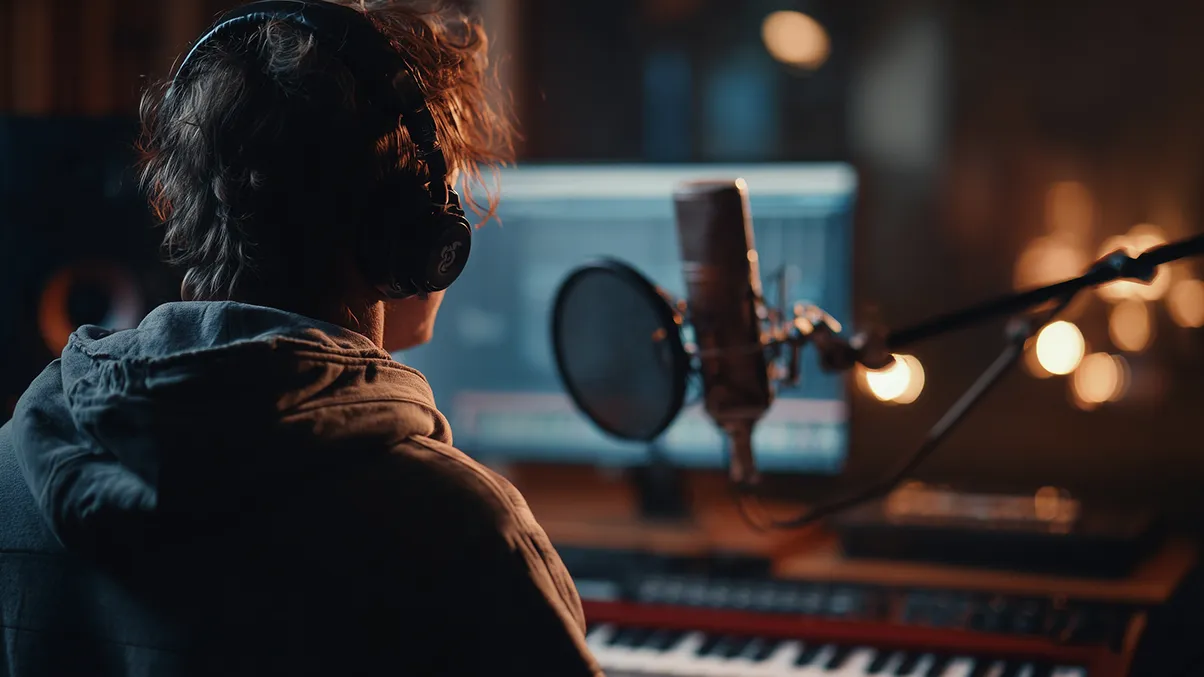
The basic gear for a successful virtual concert includes a good camera, a high-quality microphone, lighting, and a stable streaming setup. Professional virtual concert organizers have all of that at their disposal, so an artist or musician doesn’t have to worry about setting up the equipment themselves.
Image quality is critical in virtual concerts, where every detail is captured onscreen. A webcam you would normally use for streaming won’t cut it for serious events—instead, opt for a professional camera for crisp, professional visuals.
Audio is even more important: you need to ensure studio-grade sound to make up for the parts of the experience that virtual events lack in comparison to the live ones. Brands like Sennheiser and Shure are often used by professional musicians because of their microphones’ impeccable sound quality.
If you’re streaming your performance yourself, a reliable computer with a high-speed Ethernet connection is essential. Wi-Fi is risky for concerts, especially when streaming in HD.
There are even options for artists whose virtual concert vision includes high-end tech like VR and conversational AI. For example, Digital Residency creates 3D avatars of artists from scratch and integrates them into a fully rendered virtual concert environment using only in-house expertise.
How to Engage Your Audience During the Virtual Concert?

With virtual concerts, the answer to effective audience engagement isn’t as obvious as it is with in-person performances. Since the audience isn’t there in person, it might be difficult for an artist to track their reactions and respond accordingly. However, it doesn’t mean that engaging fans virtually is impossible.
Some of the most advanced virtual concert platforms come with live chats where fans can send messages to the artist and each other or ask questions during the Q&A section. Artists can shout out fan names or respond to live comments, making the experience feel personal.
Managing feedback in real time can be challenging. This is why having a dedicated moderator who can handle chat flow, mute inappropriate content, or spotlight fan comments is essential.
What Are the Best Practices for Streaming a Concert Live?
Streaming a concert live requires attention to latency, audio and video quality, and technical troubleshooting.
Latency is the delay between your live action and what viewers see, and it can affect interactive elements like call-and-response or Q&A. Choosing a virtual concert platform with low-latency capabilities ensures smoother engagement.
To guarantee high-quality audio and video, test your setup multiple times before the show. Use specialized software to mix your video and audio scenes, switching between camera angles or adding effects during the concert. In addition, always make sure to record a backup locally in case of streaming failures.
Have a contingency plan for technical issues. If your primary internet fails, a mobile hotspot or secondary connection can save the show. If software crashes, preloaded visuals or audio interludes can keep the audience engaged while you troubleshoot. Of course, working with a professional virtual concert company means any technical issues will be handled for you.
How to Monetize Your Virtual Concert?
The fact that your performance isn’t taking place in the real world doesn’t mean that it can’t generate real revenue. A virtual concert can be monetized through ticket sales, merch, sponsorships, and fan-exclusive experiences.
Virtual platforms offer ticket systems with flexible pricing. For example, general admission can be sold at a low price, with higher-tier tickets granting VIP access, online meet-and-greets, or special content. To sell or promote your merchandise during a virtual concert, you can use widgets or links leading to your online merch store. You can also sell digital merch like NFT album art.
If a specific brand feels like your concert aligns with their values, they may be willing to sponsor the event in exchange for logo placement or shoutouts. Some artists also create post-concert offers like replay passes, bonus acoustic sets, or downloadable content available only to viewers who attended the virtual event.
Conclusion
Knowing how to host a virtual concert in 2025 doesn’t only mean having the right technical equipment and software available. It also means understanding the value that the virtual event experience can offer to your audience. Fans come to music concerts and festivals because they want to connect with their favorite artist and other fans and to feel the magical atmosphere of the show. Understanding what attracts fans to you art in the first place can help you not only choose the right virtual concert platform but create memories for your audience that they’ll cherish for the rest of their lives.
FAQ
How do virtual concerts work?
A virtual concert is a live or pre-recorded performance broadcast online using streaming platforms. Artists use video, audio, and interactive tools to engage remote audiences, often charging tickets or offering free access supported by donations or sponsorships. An online concert can also feature an AI avatar of an artist in a virtual environment.
Why host a virtual concert?
Virtual concerts allow artists to reach global audiences without travel or venue costs. They offer flexible monetization options and help maintain fan engagement during off-tour periods or album releases.
Why are virtual concerts becoming popular?
The rise of digital platforms, improved streaming technology, and changing audience habits have made virtual concerts a mainstream alternative. They’re convenient, scalable, and customizable, fitting both indie artists and mainstream stars alike.
