

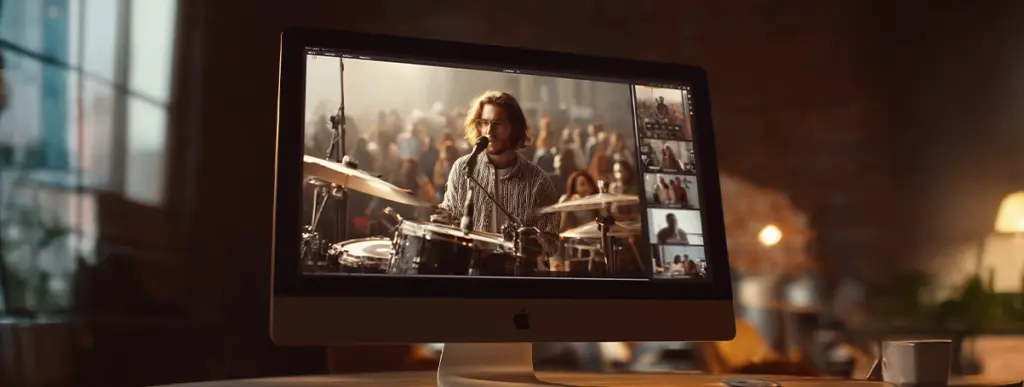
Today, even as arena tours sell out worldwide, digital viewership continues to surge, with many performances drawing online crowds that dwarf their in-person counterparts. Major artists and independent musicians alike now face the same questions: Who makes up this virtual audience? What unique experiences do they seek? And how can performers create authentic connections through screens instead of shared physical space?
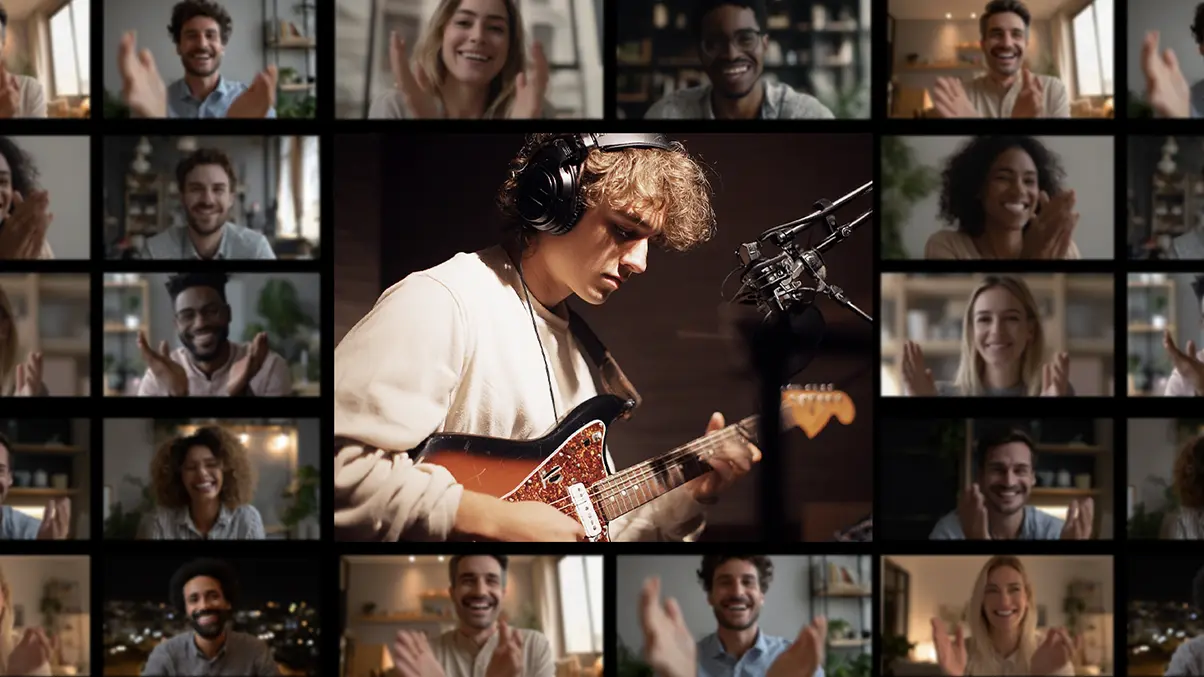
What is a Virtual Audience and Why is it Important?
A virtual audience consists of remote participants who engage with live or pre-recorded performances through digital platforms rather than attending in person. These online viewers experience shows through screens rather than physical presence, creating fundamentally different engagement dynamics.
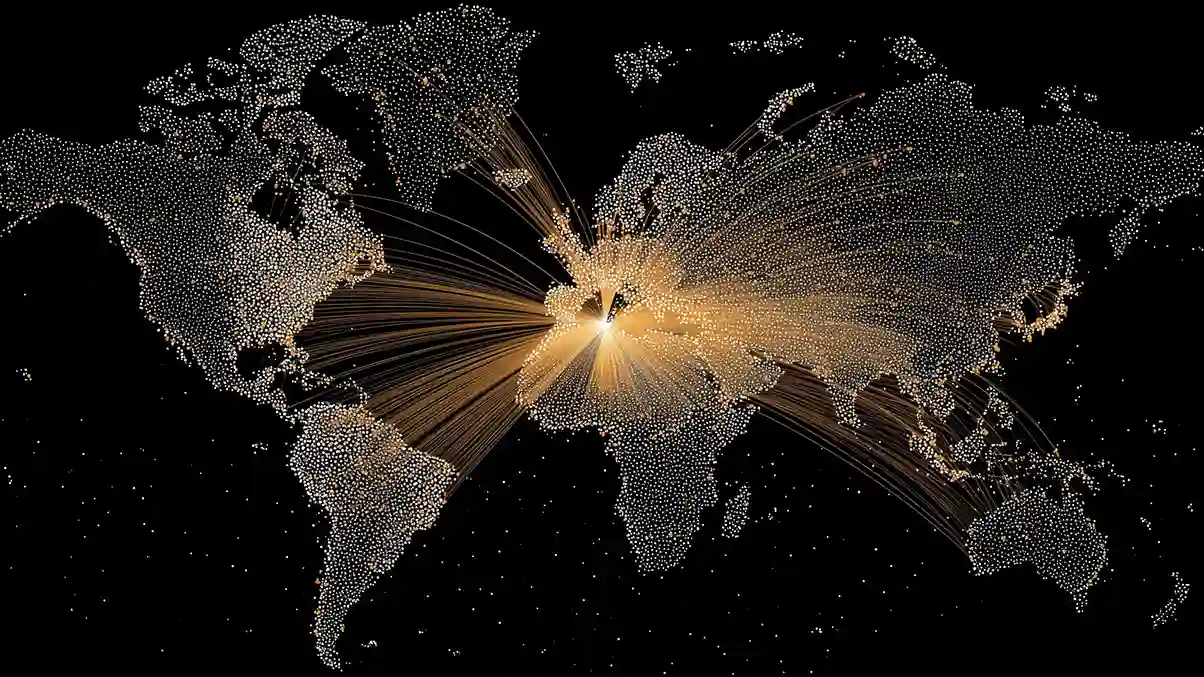
The virtual audience differs from in-person crowds in several key ways:
- Global accessibility. Online shows remove geographic barriers, allowing fans from around the world to attend simultaneously without travel concerns.
- Varied attention spans. Virtual audience members typically engage in shorter bursts with more distractions competing for their attention than in-venue attendees.
- Enhanced communication options. Digital platforms enable real-time comments, reactions, and direct interaction with performers that traditional venues cannot match.
- Data-rich insights. Every interaction from a virtual audience can be tracked, analyzed, and used to improve future events.
How to Effectively Engage Virtual Attendees During Music Performances?
Capturing and maintaining virtual audience attention requires deliberate strategies that acknowledge the unique nature of digital attendance. The direct answer is straightforward: successful engagement combines technical excellence with interactive elements that make remote viewers feel personally connected to the performance.
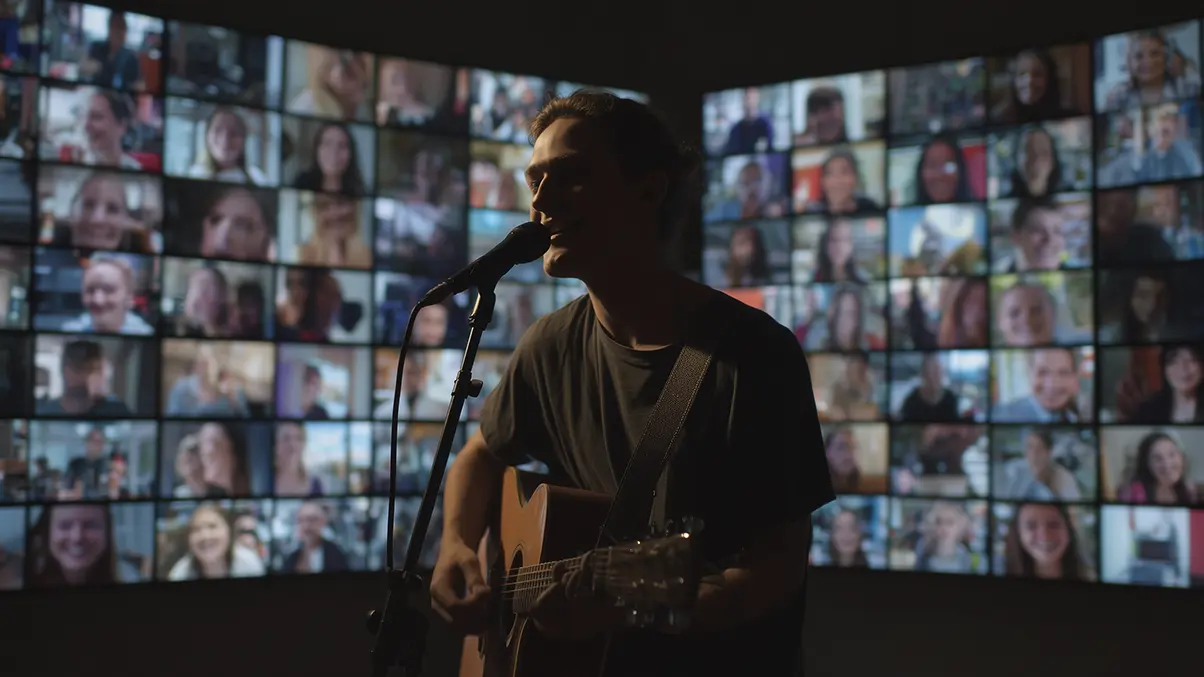
Creating compelling experiences for a virtual audience starts with production quality basics. Audio clarity, multiple camera angles, and reliable streaming are non-negotiable foundations. Effective audience engagement techniques for virtual shows include:
- Real-time interaction opportunities. Integrate live polls, comment reading, song request moments, and direct questions to viewers throughout the performance to maintain connection.
- Visual variety and movement. Change camera angles frequently, incorporate visual effects, and ensure the performance includes dynamic elements that translate well through screens.
- Exclusive digital content. Offer behind-the-scenes access, pre-show green room tours, or post-performance Q&As that wouldn’t be possible at traditional venues.
- Personalized acknowledgments. Directly mention usernames, respond to comments, or acknowledge specific geographic regions joining the virtual audience to create individual connections.
What Are Common Challenges Faced with Virtual Music Audiences?
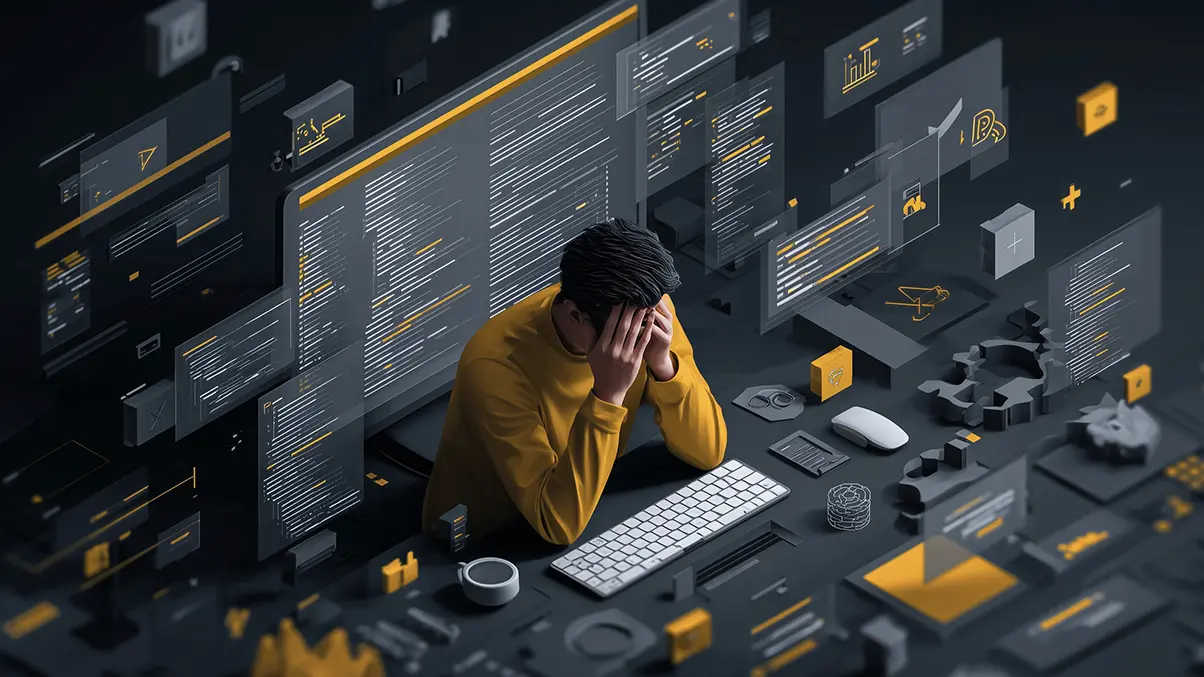
Despite the expanding opportunities, connecting with a virtual audience presents unique hurdles for performers and event organizers. The most significant challenge is creating an authentic sense of community and shared experience when attendees are physically separated.
Technical issues remain persistent obstacles for virtual audience experiences. Livestream failures, audio synchronization problems, and platform crashes can instantly disconnect viewers from otherwise excellent performances. Unlike in-person shows, where minor technical glitches might go unnoticed, digital audiences have a dramatically lower tolerance for technical disruptions.
Additional challenges when working with virtual audience members include:
- Monetization complexities. Finding the right pricing model between free access, tiered ticketing, and subscription approaches remains difficult for many artists.
- Attention retention. The average virtual audience member watches a fraction of a full performance before disengaging, making sustained viewership challenging.
- Platform fragmentation. Audiences spread across multiple viewing platforms (YouTube, Instagram, dedicated apps) create inconsistent experiences and divided community interaction.
- Hybrid event management. When combining in-person attendance with virtual audience participation, balancing attention between both groups requires careful planning.
How to Foster Meaningful Connection with Virtual Music Fans?
Building lasting relationships with a virtual audience goes beyond single-event engagement—it requires ongoing community nurturing before, during, and after performances. The most successful artists treat digital connection as a continuous conversation rather than isolated events.
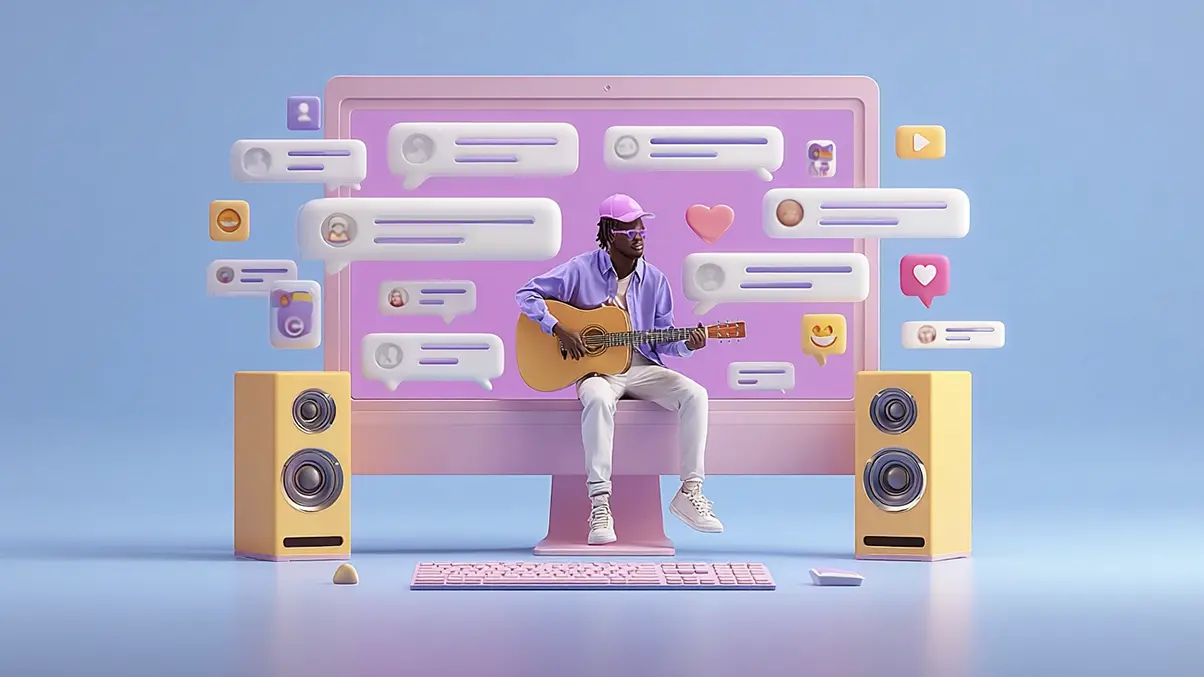
Strategies that foster deeper virtual audience connections include:
- Community platforms beyond shows. Establish dedicated Discord servers, Facebook groups, or other spaces where fans can maintain a connection between virtual event experiences.
- User-generated content integration. Incorporate fan artwork, cover versions, or reaction videos into your marketing and performances to validate audience creativity.
- Exclusive digital meet-and-greets. Offer personal interaction opportunities through scheduled video sessions where small groups can connect directly with artists.
- Consistent communication rhythm. Maintain regular content schedules and interaction opportunities so virtual audience members develop habitual engagement with your brand.
During hybrid events, acknowledge both physical and virtual audience members equally by designing moments specifically for online participants, ensuring they never feel like secondary viewers.
Conclusion
The rise of the virtual audience represents one of the most significant shifts in music consumption patterns in decades. As technology continues evolving, the barriers between physical and digital experiences will further blur, creating new opportunities for artists who master virtual connection.
Understanding a virtual audience isn’t just about technical know-how—it’s about recognizing the human desire for connection that transcends the medium. The most successful digital performances acknowledge that viewers seek the same emotional resonance they would at physical events, even as the delivery mechanism changes.
For artists and event organizers looking ahead, investing in virtual audience engagement strategies isn’t optional — it’s essential for building sustainable careers and expanding their reach. By embracing both the challenges and opportunities of digital connection, musicians can turn passive viewers into active participants, creating music communities that thrive regardless of physical proximity.
FAQ
How do virtual audiences differ from in-person crowds?
Virtual audience members typically engage with shorter attention spans, have more distractions competing for their attention, and expect different types of interaction opportunities. They value convenience and accessibility while missing the sensory immersion of physical attendance. However, online viewers often appreciate the ability to rewatch performances and engage through comments in ways impossible at traditional venues.
What technologies best support virtual audience engagement?
Multi-camera setups, high-quality audio equipment, and reliable streaming platforms form the technical foundation. Beyond these basics, interactive elements like real-time polling, comment integration systems, and virtual meet-and-greet functionalities dramatically improve virtual audience experiences. For hybrid events, technologies that create shared moments between in-person and online attendees help unify the experience.
How can artists measure virtual audience satisfaction?
Look beyond simple view counts to more meaningful metrics like average watch time, comment engagement rates, and virtual merchandise sales. Post-event surveys with specific questions about experience quality provide direct feedback. Social media mentions and user-generated content volume after an event often indicate how deeply the virtual audience connected with the performance.
