

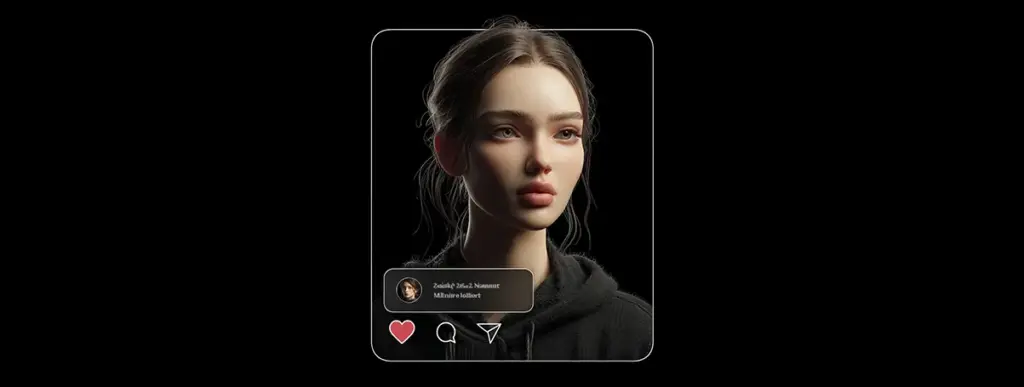
In the beginning of the 2000s, a new profession emerged that wasn’t anything like the pre-Internet world had ever seen — an influencer. Simply put, a person with a social media following whose opinions on products people trust. This was the definition of the term a decade ago. But today, an influencer doesn’t have to be a real-life human — they can also be a 3D or AI generated character. Today, we’ll talk about virtual influencers, their impact on modern culture, and why brands love collaborating with them.
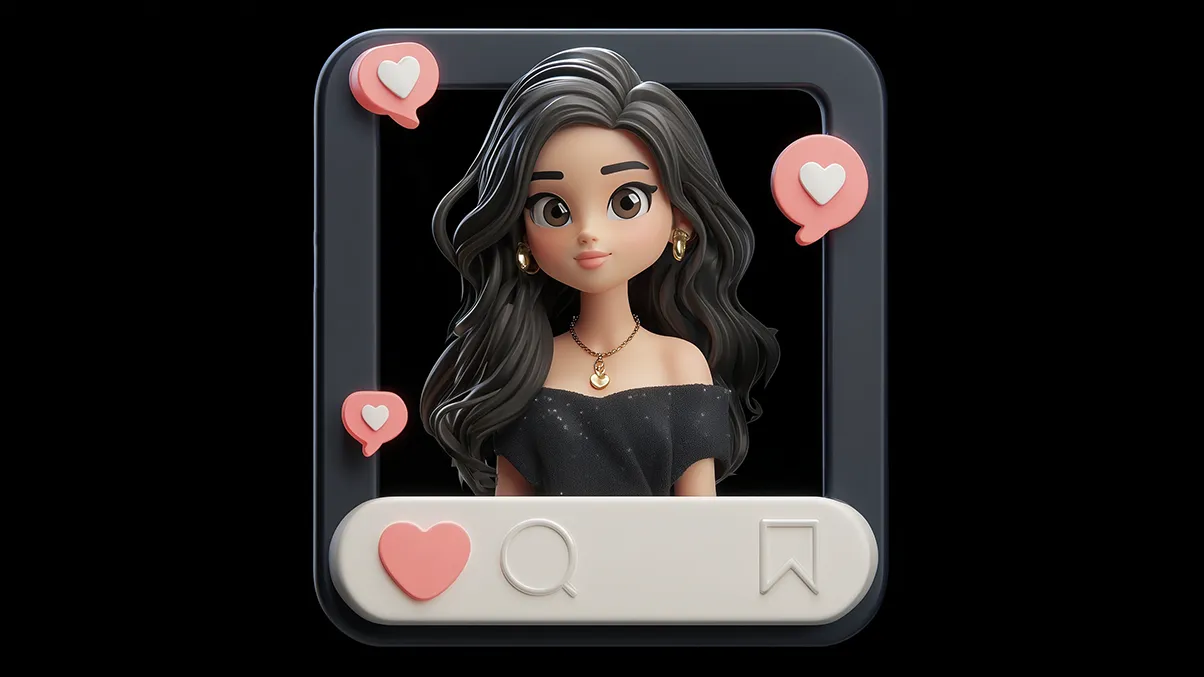
What is a Virtual Influencer?
A virtual influencer is a character that acts like a human influencer. Basically, these digital humans post on social media, advertise products, and collaborate with other influencers and celebrities, both real-life and virtual ones. Instagram was named as a platform with the biggest concentration of influencer creators, so it only makes sense that virtual influencers are also drawn to this platform.
Today, there are virtual models, AI musicians, and even social activists. In fact, digital influencers can be anything the team behind their development and design wants them to be. Here are the top famous virtual influencers that can do it all.
TOP Virtual Influencers that Are Changing the Game
Miquela
Miquela (formerly Lil Miquela), or Miquela Sousa, opens our list of top artificial influencers. She is a virtual celebrity created by a Los Angeles-based tech company, Brud. One of the most famous virtual influencers in the world, Miquela has over 2 million followers on Instagram, where she regularly shares posts about her life as a 19-year-old robot.
Miquela’s forever-young and universally liked look makes her the perfect model. Brands like Prada, Calvin Klein, and Pacsun released several promotional campaigns featuring the virtual influencer. She is also often invited to offline fashion events and posts pictures of herself behind the scenes of fashion shows. Moreover, Miquela has released her own music and given interviews to popular news outlets.
Bermuda
Bermuda, also known as Robot Queen, is another character created by Brud. This virtual influencer caused quite a bit of controversy a couple of years ago. The first time she entered the public eye was when she staged a hacking incident on Miquela’s Instagram. The drama that unfolded right before the eyes of millions of fans resolved when Bermuda was revealed to be another influencer created by Brud.
Bermuda hasn’t been very active on Instagram recently, but she’s done her fair share of high-profile brand collabs and even released a single. And their public “conflict” with Miquela will go down in history as one of the first ever cases of virtual influencer drama.
Shudu Gram
Shudu Gram is often referred to as the world’s first digital supermodel. Created by British photographer Cameron-James Wilson, Shudu is a hyper-realistic 3D virtual model with striking features and flawless skin. She first got popular on Instagram, where her high-fashion aesthetic quickly attracted brands like Balmain and Fenty Beauty.
While many praised Shudu for her beauty and innovation, there was also a controversy concerning cultural appropriation and representation. While the virtual influencer is designed to look like a Black woman, she was created by a white man.
Imma
Imma is a pink-haired, Japanese Instagramvirtual model and influencer known for her eclectic fashion sense and serene demeanor. Created by Tokyo-based Aww Inc., Imma blends seamlessly into real-world settings thanks to her hyper-realistic appearance. She’s often cast as a model in ad campaigns and magazine shoots, with names like Vogue and IKEA on her portfolio.
FN Meka
FN Meka is a virtual rapper created by Factory New, combining AI generated lyrics and a digital avatar with an influencer-style social media presence. Designed with exaggerated features and streetwear fashion, the AI virtual influencer gained a huge following on TikTok and Instagram. However, the project faced backlash over cultural insensitivity and stereotyping, after which its label deal with Capitol Records was dropped. While controversial, FN Meka is an interesting case study in AI driven content creation and the ethical concerns of virtual personas in the entertainment industry.
Rozy
It was only a matter of time before South Korea, the land of technological innovation, birthed its own virtual it-girl. Rozy is a South Korean virtual influencer developed by Sidus Studio X. Designed to appeal to a primarily Gen Z audience, she has a relatable personality and posts lifestyle content and stylish looks on her social media. Rozy’s versatility has made her an influencer marketing darling and one of the top in-demand models, appearing in commercials and representing major brands like Shinhan Bank and Calvin Klein.
Noonoouri
Noonoouri is a wide-eyed, doll-like 3D character with strong opinions on fashion and social activism. Created by Munich-based designer Joerg Zuber, Noonoouri is known for her collaborations with luxury brands like Dior, Versace, and Valentino. Apart from being a model, she’s also an advocate for sustainability, cruelty-free beauty, and body positivity. Unlike other artificial influencers, who aim for hyperrealism, her look is intentionally styled.
Lil Wavi
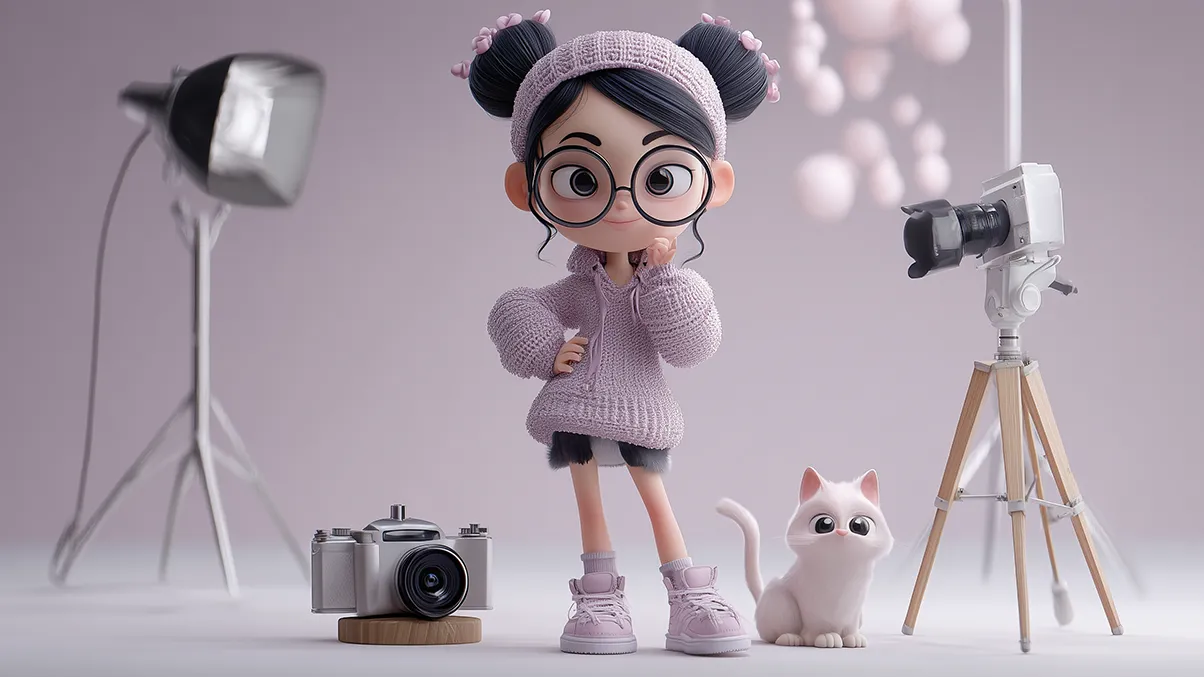
Lil Wavi is a computer-generated influencer from the UK who is known for his vibrant streetwear, hip-hop-influenced style, and rebellious attitude. Lil Wavi is a part of a new generation of digital influencers, and you can tell so by just looking at him. He rocks editorial fashion along with underground street aesthetics, which makes him appealing to Gen Z audiences looking for something raw and unconventional. Lil Wavi stands out from other high-production, squeaky-clean virtual AI powered avatars with his unapologetic vibe, edgy style, and focus on unapologetic self-expression.
The Rise of Virtual Influencers: Beyond the Avatar
Virtual influencers are no longer niche oddities in digital culture. They’re brand ambassadors and fashion icons with millions of followers across Instagram, TikTok, and YouTube. Virtual influencers challenge the lines between human and digital, authenticity and performance, entertainment and commerce. But what does this all mean for society, creativity, and the future of influence?
Public Opinion on Virtual Models and Influencers
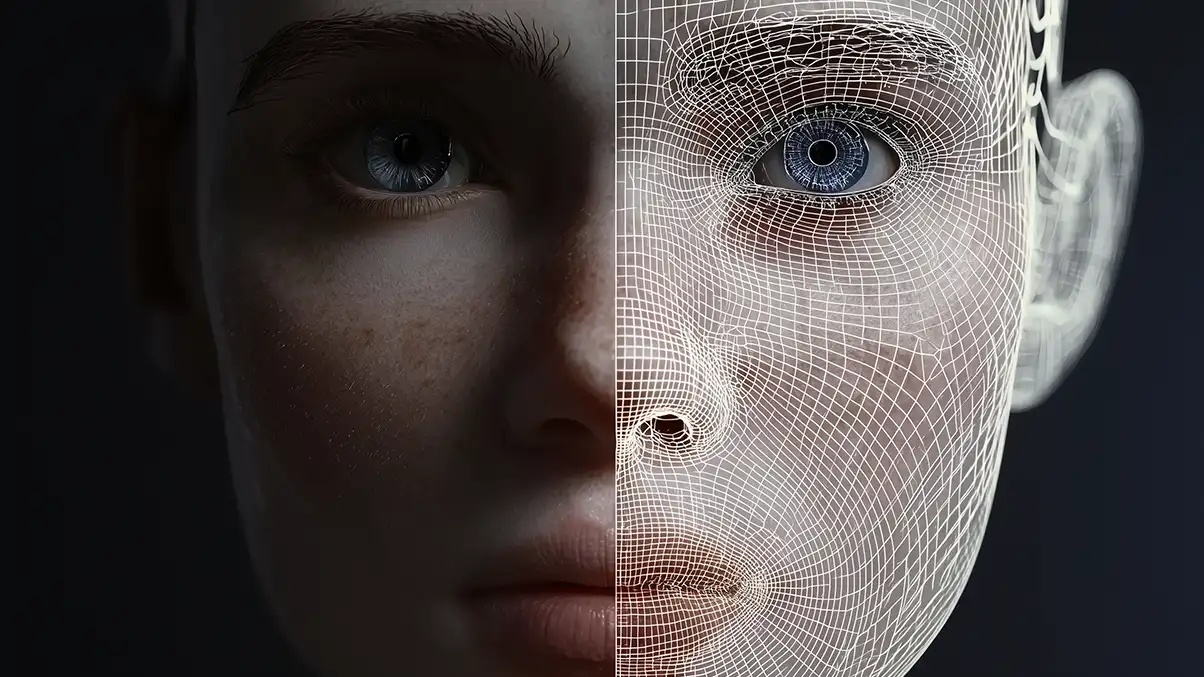
Public reaction to digital influencers has been mixed. On one hand, many appreciate the innovation, content, and artistry these avatars bring. Brands are especially excited: they get to have full creative control with none of the risks associated with human influencers.
On the other hand, the backlash is equally loud. Critics say that virtual models and influencers contribute to unrealistic beauty standards, just as real media often does. Others have expressed ethical concerns. For example, whether digital figures should be allowed to “take jobs” from human models and creators, especially if we’re talking about AI avatars resembling people of marginalized communities. As popular author Vanessa Angélica wrote in her tweet about Shudu Gram, “She’s been ‘hired’ across the industry which means her creators, white men, NOT a Black woman, are the ones paid”.
The Business of Perfection: Why Brands Love Virtual Models
No matter how controversial it might be to use an avatar to advertise your product to humans, brands keep turning to virtual models and influencers. Reason? These avatars are perfect influencer marketing material. They can be changed to fit any aesthetic or message, and they don’t age, get into conflicts (unless you specifically want them to), or quit.
For companies, this represents a dream scenario. Need an influencer to go from Tokyo streetwear to Paris haute couture in 24 hours? No problem. Want a spokesperson who’ll never be late to a shoot, demand a contract renegotiation, or post something controversial? Done. And it’s not just about convenience either. These influencers are often more cost-effective over the long term.
Creative Possibilities: A New Canvas for Expression
However, not everything about virtual influencers is necessarily commercial or controversial. For digital artists, animators, and storytellers, these avatars offer new ways of creative expression. Virtual influencers can bend physics and live in fantastical worlds. This aspect is particularly exciting for artists from marginalized communities, who are using the freedom of the medium to create their own personas to explore their identities. This way, digital space becomes a playground for self-reinvention.
As tools like Unreal Engine, Blender, and AI generated animation become more accessible, we may see an explosion of virtual influencers who aren’t tied to corporations at all. Maybe there’ll come a time when we’ll see a new kind of digital influencer — raw, bold, and unfiltered.
Conclusions
There are still many unanswered questions concerning virtual models and influencers. However, one thing is for certain — digital AI humans are here to stay. They’re a reflection of the digital-centered world we now live in—and perhaps a forecast of the Metaverse-driven future that tech companies are building toward.
But the future of this technology will depend not only on how we use virtual influencers but on the reasons we do it. Are these AI powered digital avatars tools for creative experimentation, or are they just more sophisticated ad vectors we use solely to generate profit? Will they aid representation or reinforce existing oppressive social and political structures? Do we care about the people our technological advances might affect, or do we see them as someone to manipulate? The answers may depend less on the avatars themselves and more on the people controlling them behind the scenes.
