

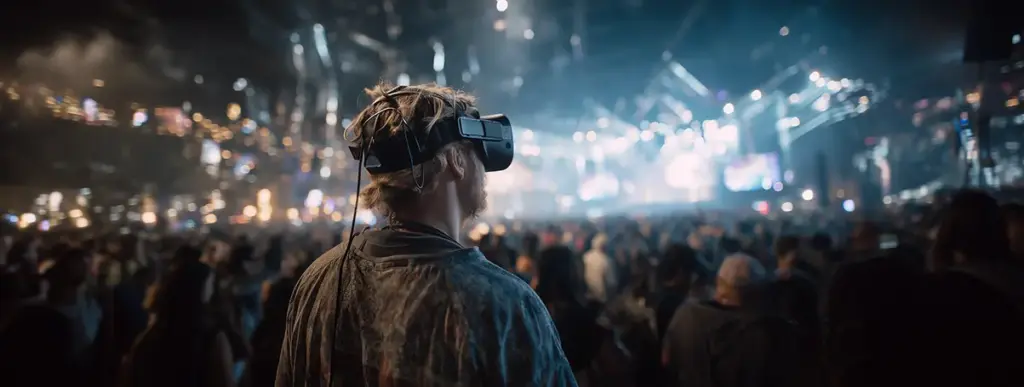
We’ve seen with our own eyes how public events changed forever after the global pandemic hit. During the years when COVID-19 cases were at their peak, every single major conference, festival, and convention went fully online, struggling to adapt to the new reality.
Today, when we can finally go out freely and experience having fun in large groups of people, event organizers still haven’t abandoned the digital world. Let’s talk in detail about what hybrid events are, why they have become the new norm in the current age, and how to successfully hold one.
What Are Hybrid Events and How Do They Work?
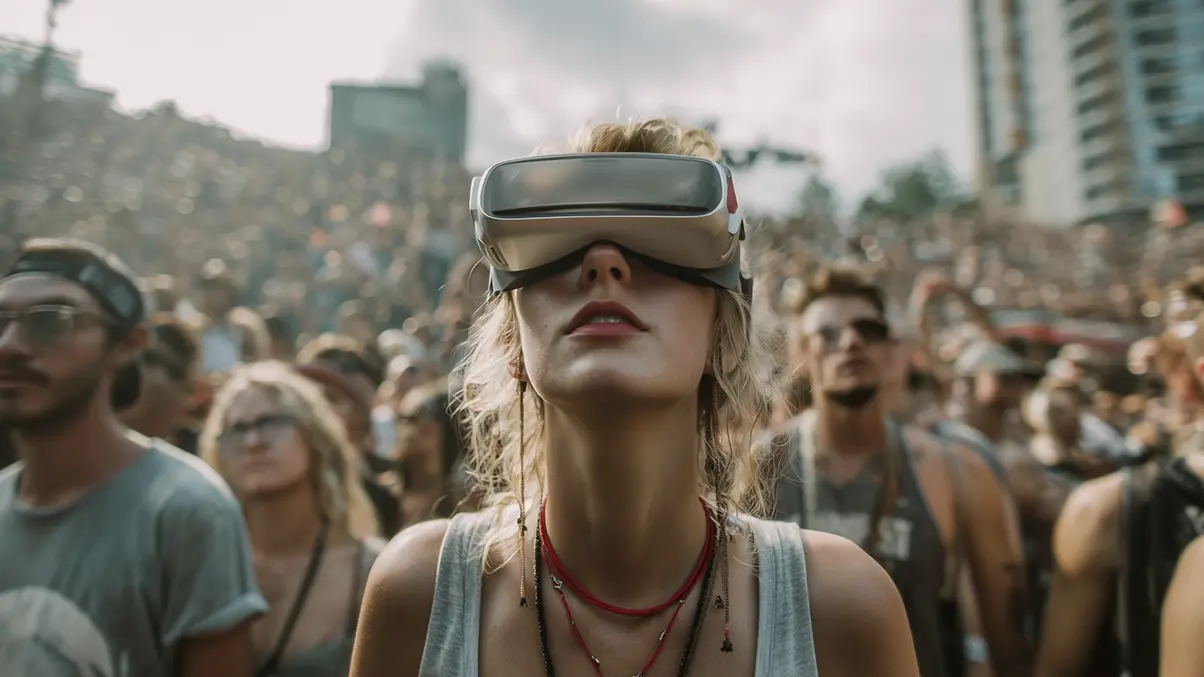
Simply put, hybrid events blend virtual and in-person experiences, allowing participants to attend events both in person and through an online platform. These kinds of events combine the immediacy of live performances with the accessibility of virtual streaming.
Hybrid events are everywhere these days. You most likely have participated in one yourself, whether it was by watching a sports game streamed online or presenting at a virtual company event from the comfort of your home.
To help you understand the truly limitless potential of hybrid events, take a look at these famous examples of music festivals that successfully incorporate both online and offline elements:
Tomorrowland
Tomorrowland, a massive festival bringing in dance music fans and DJs from all over the world, launched a fully digital experience called Tomorrowland Around the World in 2020. The new show included immersive 3D stages that could be seen from different angles.
In 2022-2023, Tomorrow returned to in-person but continued offering livestreams, digital tickets, and exclusive online sets. Not only did the event have extremely high-production digital environments, but it also offered a space for the global community to communicate with each other via chat rooms and virtual campsites. Tomorrowland Around the World should be the so-called Northern star of anyone organizing a hybrid virtual event for the very first time.
Coachella
Everyone knows Coachella. But did you know that it started streaming its performances in 2011? This multi-genre music festival has since increased its online presence with multi-channel streams and exclusive online content. You don’t need to be at Coachella to know everything about it and feel the atmosphere of the event: high-quality cameras and sound recording tech make it possible for anyone to enjoy one of the biggest and most prestigious music events in the world.
Coachella has also done virtual reality content in the past years. For example, in 2023, they hired Tool, a creative production company, to create an immersive experience for Coke Studio in collaboration with metaverse artist Yameii Online.
Lollapalooza
After the pandemic subsided, the legendary Chicago-based music festival returned to in-person mode in 2021. However, it continued live YouTube streams and VR experiences (via Hulu and Meta in 2023). The event also provided exclusive content for digital pass holders, including exclusive sets and behind-the-scenes footage.
What Are the Benefits of Hybrid Events for the Music Industry?
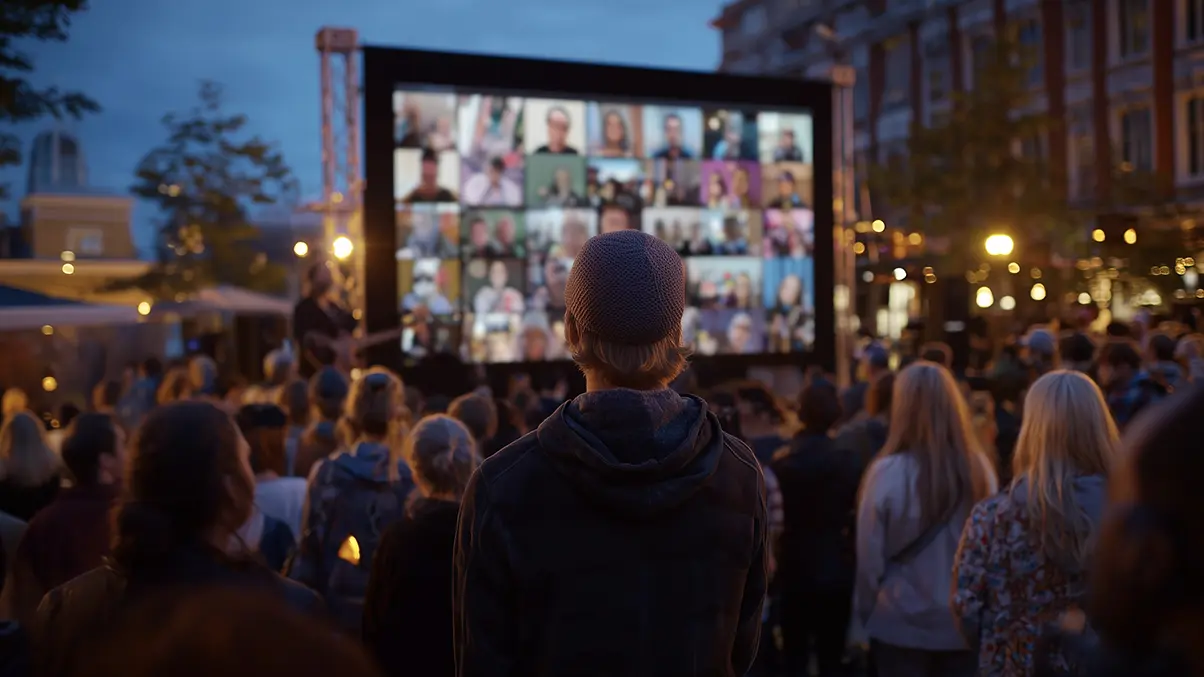
In many ways, hybrid events are superior to those that are offline only. They can help reach new audiences beyond geographic constraints, make the experience more exciting for them through technology, and are often more cost-effective.
- Expanded Audience Reach: Hybrid events aren’t limited to one location. Fans from all over the world can experience the show without leaving their homes, which helps grow fan bases and engagement. Virtual attendees can interact with each other and the artist through chat and polls during live performances. It’s practically like fitting hundreds of thousands more fans into a venue without making anyone uncomfortable or putting lives in danger.
- Enhanced Event Experience: It’s not only fans at the heart of the action who get to have fun now. With modern streaming and VR technologies and various interactive tools, everyone can have a rich, multi-dimensional experience.
- Cost-Effectiveness: Both event organizers and fans get to save money. The former can get away with booking a smaller-sized venue while getting revenue from online ticket sales and sponsorships. The latter can just pay for the ticket instead of breaking the bank on plane tickets and accommodations.
How to Plan a Successful Hybrid Event in the Music Industry?
To successfully plan a hybrid event, you need to reach a perfect balance between technology, content, and audience engagement strategies for both virtual and in-person participants.
For example, when choosing a venue, make sure it has a secure internet connection. It’s also essential to find a reliable hybrid events platform. In addition, different kinds of audiences need different kinds of engagement: in-person attendees will appreciate traditional event features like meet-and-greets, while virtual participants might like having access to exclusive online content and one-on-one sessions with the artist. By the way, virtual meet-and-greets are already a big thing in South Korea, where K-pop idols will talk to a limited number of randomly chosen fans via a video chat platform.
Another thing you need to think about is how your event will support interactions between fans. One of the most valuable parts of any offline music festival is making friends. The community-building element doesn’t have to be sacrificed in the virtual space. Fans can connect in chat rooms and virtual lobbies or post about your event on social media and find like-minded people using hashtags.
What Technology Is A Must for a Successful Hybrid Event?
Reliable streaming infrastructure, interactive tools, and networking platforms that connect virtual and in-person attendees are crucial to ensuring a hybrid event goes smoothly.
To create a sense of presence, make sure that you use multi-camera setups and that your venue has a stable internet connection. We also recommend you choose a platform with built-in interactive tools, such as chatrooms, polls, virtual lobbies, and VR/AR support. All this will enrich the experience of the virtual audience.
How Do Virtual Events Differ from Hybrid Events?

By definition, hybrid and virtual events have a lot in common. Virtual events are held entirely online, while hybrid events combine in-person attendance with virtual participation.
Virtual events rely solely on online platforms. They’re perfect if you have limited resources and are looking to save money and time on venue booking and traveling. Hybrid events are more flexible and inclusive: they let those who prefer going to festivals in person enjoy their experience while also providing an option that is more accessible but just as entertaining. Last but not least, hybrid events provide more sponsorship opportunities. For example, you can sell banner ad space on your virtual stage to brands or integrate a reference to their product in another creative way.
The choice between the two options is pretty obvious: choose virtual-only when you’re tight on budget, and opt for hybrid when maximizing reach is the objective.
Examples of Activities for Hybrid Events
If you need help coming up with activities for your hybrid event program, here are some suggestions that might be helpful:
- Messages from fans in chat rooms during the live event, displayed on LED screens.
- Virtual meet-and-greets for fans who cannot attend in person.
- Workshops and Q&A sessions — both on-site and virtually.
- Exclusive virtual backstage tours via 360-degree video.
Conclusion
Hybrid events are the future of the music industry. They combine the energy of live performances with the accessibility of virtual platforms to create an unforgettable experience. By understanding their benefits, planning carefully, and using the right technology, you can draw in diverse audiences and create new opportunities for artists and sponsors alike.
FAQ
What are virtual and hybrid events?
Virtual events occur fully online, while hybrid events blend in-person and virtual attendance to offer a more flexible experience. For example, if you’re performing a live show, you can stream it online for your fans who couldn’t attend in person.
What are examples of virtual events?
Virtual concerts, film festivals, and academic conferences are commonly held virtually.
Live, virtual, or hybrid events — which approach is best?
The choice depends on goals, budget, and audience needs. While live events offer a unique in-person energy and virtual events are cost-effective and accessible, hybrid events maximize reach and flexibility.
