


Virtual product placement represents a revolutionary marketing approach where brands integrate their products into digital environments. This technology transforms how musicians and labels reach audiences in gaming worlds, metaverse platforms, and virtual concerts. Compared to traditional advertising methods, product placement in 3D Worlds offers greater targeting precision, engagement metrics, and longevity.

What is Virtual Product Placement in 3D Worlds?
Virtual product placement refers to the strategic integration of branded products or services within digital three-dimensional environments. Unlike traditional product placement in films or television, these virtual implementations can be interactive, dynamically updated, and personalized to individual users.
In the music industry context, virtual product placement spans across multiple digital platforms. Artist merchandise, album artwork, instruments, and brand partnerships can be seamlessly incorporated into games, virtual concerts, and metaverse experiences.
Simple implementations include static 3D models of products placed within environments, while advanced executions feature interactive elements that respond to user engagement and collect valuable behavioral data.

Virtual Product Placement Strategies
Just like in real life, virtual product placement has to feel organic to be effective. Businesses have to be mindful about picking the artists they want to collaborate with, and artists need to carefully consider if a product fits their branding. When done right, strategic collaborations between artists and platform creators can deliver mutual benefits. Musicians gain visibility while digital environments receive authenticity cultural elements that enhances user experience. Here are several examples of virtual product placement strategies that have proven their viability.
Platform Collaborations
Branded integrations can range from exclusive in-game items, avatar skins, and virtual environments to full concert experiences set in a digital world. When an artist releases a new album, a platform like Roblox or Fortnite can feature themed challenges, skins, or locations that align with the artist’s concept and aesthetic. For example, an album inspired by urban nightlife could come with a neon-lit game map where fans can explore the music visually and interactively. These collaborations create an opportunity for subtle product placement that doesn’t interrupt user immersion.
Cross-Media Promotions
When done right, a cross-media strategy allows artists to create brand synergy across concert streams, merch, digital downloads, and even sponsored content. An artist launching a virtual tour could release limited-edition physical merchandise alongside a TikTok challenge sponsored by a fashion label and paid Instagram promo collaborations. Brands are increasingly investing in virtual product placement strategies because they help them tap into authentic fan communities. For artists, it means diversified revenue and media coverage.
Technology Partnerships
Artists often have a creative vision that requires advanced technical execution. For example, if a musician is holding a virtual concert, they might want features like real-time audience interactions, an AI-powered avatar, or a fully rendered 3D stage. Companies like Digital Residency work with artists to bring these ideas to life, handling everything from virtual stage and avatar design to brand integrations into the digital space.
Technology partnerships can have a pivotal role in growing an artist’s fan base and securing their place in the music industry. By holding a memorable, technologically innovative show, they can offer a never-before-seen experience that audiences will continue to seek out. It will also help attract the attention of potential future brand partners interested in virtual product placement strategies.
Event-Based Integrations
Event-based integrations are time-sensitive brand collaborations designed around specific concerts, content drops, or tour dates. For example, a virtual concert might include a co-branded countdown event, merchandise giveaways, or fan challenges powered by a sponsor. For example, a fashion brand might release a virtual clothing collection for the attendees’ 3D avatars to wear at the concert.
Because these campaigns are tied to specific dates, they generate urgency and high-impact engagement. Brands love event-based integrations because they’re ideal for new product launches or seasonal campaigns. For artists, these deals can translate into event sponsorships, where the brand helps fund production or promotion in exchange for product placement.
Licensing Arrangements
Through licensing, artists can grant rights to companies to use their music or likeness in the virtual world. For instance, an artist might license their song to a car commercial that will play during a livestreamed concert commercial break. This way, an artist can receive an ongoing stream of revenue without needing to release new content or perform.
Licensing arrangements open the door for long-term brand partnerships. For example, a tech company might license an artist’s voice for an AI assistant. In many cases, these deals also include royalty payments, residuals, or promotional rights, making licensing a lucrative monetization strategy.
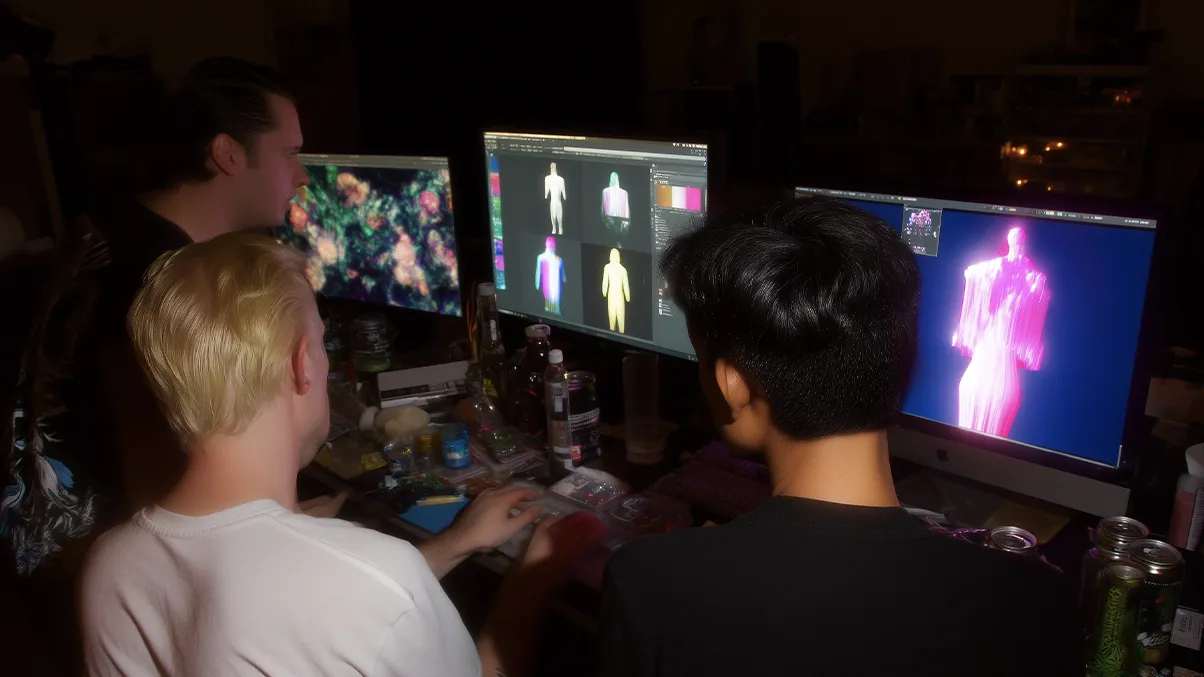
Cross-promotion potential is maximized when physical and virtual campaigns are coordinated. Album releases can be supported by simultaneous product launches in both real-world retail and digital environments.
Revenue sharing models ensure equitable compensation for all partners involved. These arrangements typically include detailed performance metrics that determine payment structures.
Benefits for Independent Artists and Content Creators
Independent musicians gain access to marketing opportunities previously available only to major labels through digital placement. These virtual environments make promotional spaces more affordable.
Key advantages for independent creators:
- Accessible marketing. Achieve professional promotion without major label resources through affordable virtual placement options
- Brand building. Establish a recognizable visual identity through strategic logo and merchandise placement in popular digital spaces
- Passive revenue generation. Create income streams when virtual merchandise is purchased or licensed via games and platforms
- Global reach. Access international audiences without the logistical challenges and expenses of physical touring
- Direct fan engagement. Build meaningful connections when fans interact with your virtual items, fostering community without geographic limitations
- Data analytics. Gather valuable insights about audience demographics and preferences through interaction metrics
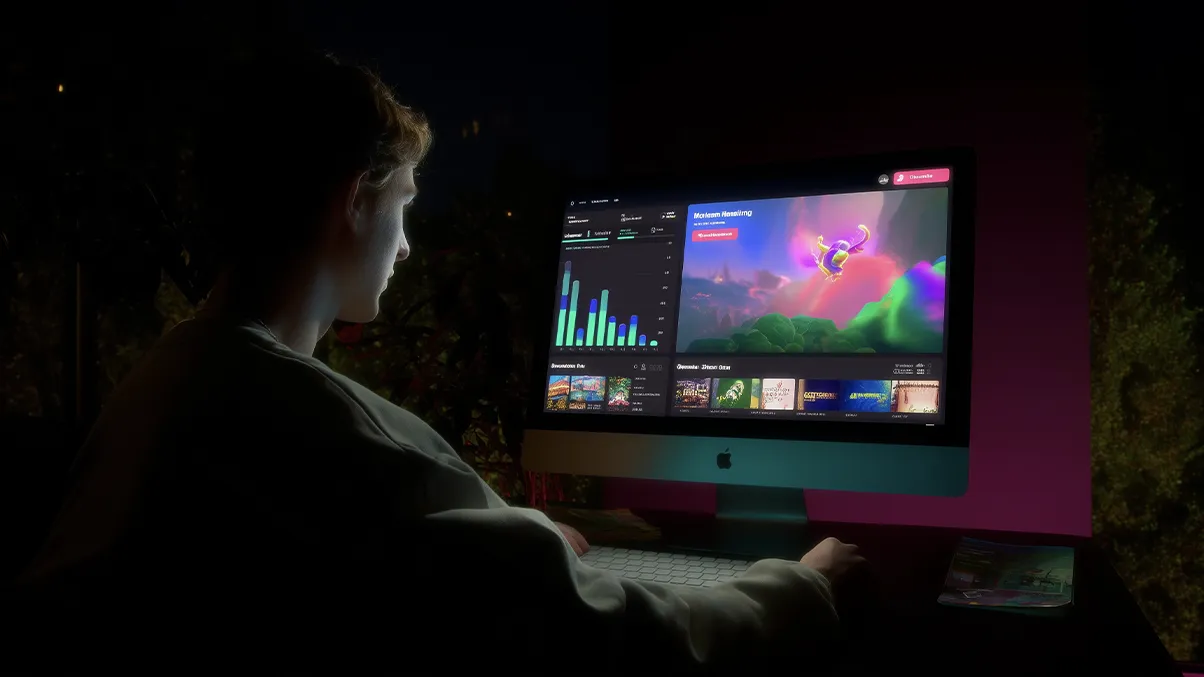
Emerging artists can leverage these digital strategies to build recognition efficiently. Strategic placement of band logos, merchandise, or album art in popular games creates exposure to potential fans.
The democratized nature of virtual environments creates a more level playing field. Independent creators often achieve higher engagement rates than major labels through authentic content that resonates with specific communities.
These opportunities function alongside traditional revenue streams without cannibalizing existing income and open additional, promotional and financial channels.
Success Virtual Product Placement Examples
Some of the most well-known virtual product placement examples come from major, globally renowned artists. The Twenty One Pilots concert in Roblox featured strategic merchandise integration that generated both visibility and sales conversion.
Travis Scott’s Fortnite concert demonstrated how virtual instruments and branded accessories can be incorporated naturally into performance environments. His in-game merchandise sales reportedly exceeded $20 million.
DJ Marshmello successfully implemented virtual product placement through avatar customization items. His branded character accessories became coveted digital collectibles while promoting his music catalog.
Final Thoughts
Artists and labels gain competitive advantages in reaching digitally native audiences. The skills and partnerships built today will position music industry professionals for success in emerging platforms.
Virtual product placement represents not merely a trend but a fundamental shift in how musical artists connect with audiences and monetize their brand.
FAQ
Can virtual product placement be measured effectively?
Yes, virtual product placement provides highly detailed metrics. Modern platforms track view counts, interaction rates, conversion to external sites, and even emotional responses through avatar expressions. These data points offer more comprehensive analytics than traditional product placement methods.
Can virtual products generate real revenue?
Absolutely. Virtual merchandise sales through product placement opportunities can generate significant income. Digital goods like customizable items, exclusive content access, and collectible experiences often have production costs far lower than physical merchandise while maintaining similar price points.
Is virtual product placement only for major artists?
No, independent creators often achieve higher engagement rates than major labels through authentic virtual product placement strategies. Niche platforms with dedicated communities typically welcome indie artists who bring unique content and passionate followers to their environments.
