

Introduction
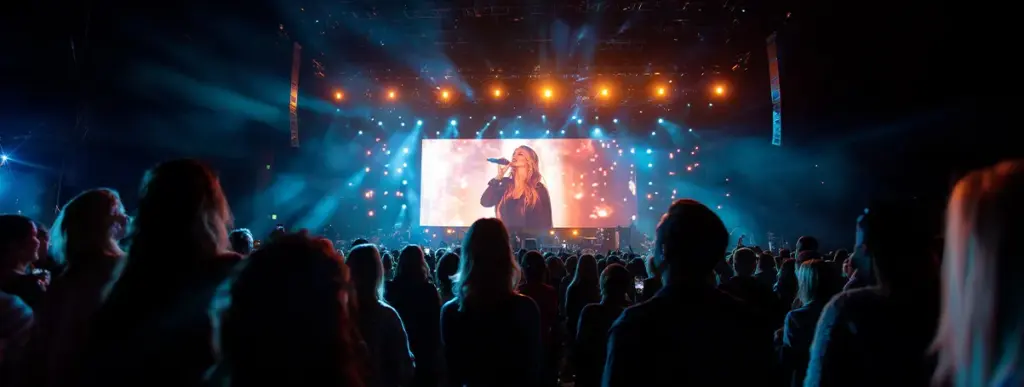
It’s impossible to picture any major brand’s promotional strategy without online virtual events. This format offers the flexibility, scalability, and accessibility that are so highly valued in the digital age. In this article, we explore the benefits of virtual events and why they are an essential tool in the modern digital landscape. We’ll also share the best virtual event organization practices from the leading industry experts.

What are Virtual Events?
Virtual events are online gatherings held in real-time with participants joining from all over the world without geographical limitations. They’re hosted on digital platforms that usually have interactive features such as video, voice, and text chat.
Online events became particularly widespread in academia, with online conferences making knowledge more accessible globally. Companies where the vast majority of the employees work remotely also benefit from shifting their training sessions and webinars to the digital space. Virtual concerts and product launches are also quite popular, some of the most impressive examples including Travis Scott’s Fortnite performance and Apple’s virtual iPhone presentation during the COVID-19 outbreak.
Main Benefits of Virtual Events
Thanks to virtual events, artists and musicians can reach a wider audience more efficiently and at a lower cost. Let’s explore key virtual event benefits with real-world application examples:
Increased Accessibility
Unlike in-person events limited by venue size and geographic location, virtual formats open the door for global participation. A music festival streamed through a virtual platform lets fans across continents tune in and enjoy the show together. Another benefit of virtual concerts is that they’re also more accessible for people with disabilities. Viewers with limited mobility can join from the comfort of their homes, while deaf participants can be provided with sign language interpreters and real-time closed captioning.
Cost Savings
Virtual events save significantly on overhead costs. Organizers don’t have to spend on venue booking, travel, accommodations, and catering, meaning they can redirect these resources into marketing or enhancing production quality.
Scalability and Reach
Logistics can be a major issue for an event that wants to grow and evolve. Finding new locations to host your events again and again each year to accommodate the rapidly growing number of participants can be challenging.
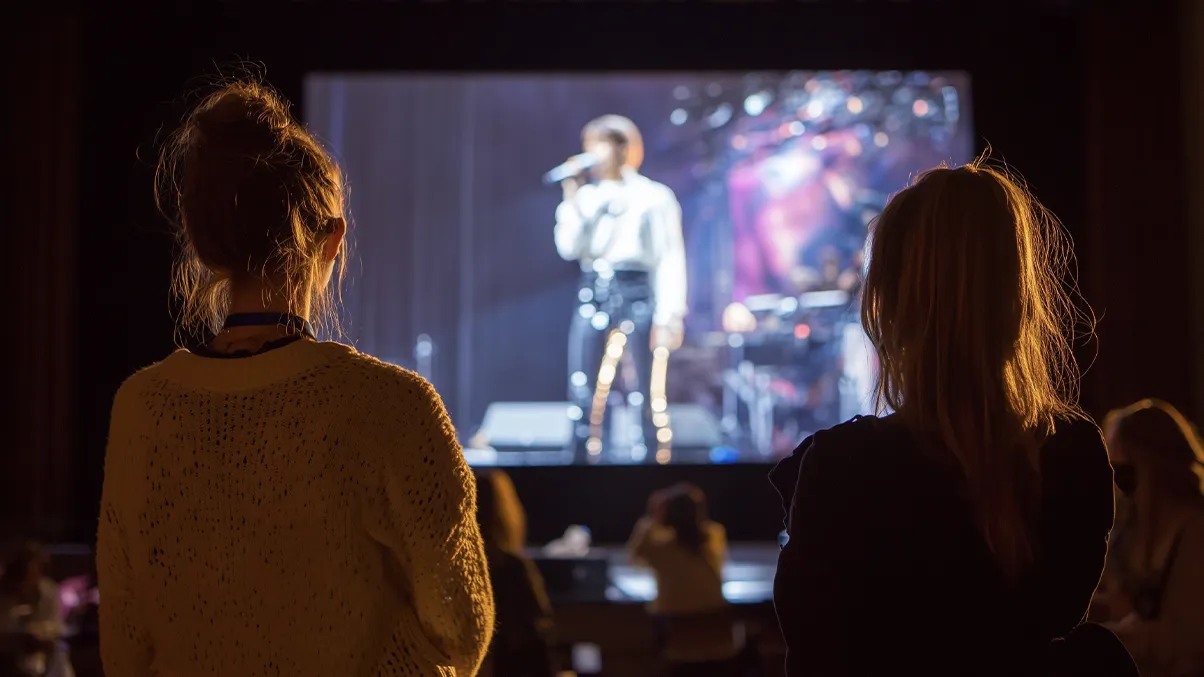
When it comes to virtual events, scaling is that much easier. All you need to do is make sure that the digital platform of your choice can accommodate the number of viewers you expect to join your event. That’s something that a professional platform developer can easily test. As for connection, you’ll benefit from features like cloud hosting and CDN streaming, which help avoid server overload and delay issues during performance, even at scale.
Measurable Results and Analytics
One of the most powerful benefits of virtual events is the data. Platforms track attendance, engagement levels, click-through rates, and more. Organizers can benefit from this feature by pinpointing during which segments of the show activity spiked and using those observations to create even more engaging events in the future.
Environmental Sustainability
Organizers can also benefit from digital technology by avoiding travel and minimizing waste, which drastically reduces carbon emissions. No need to take multiple connecting flights to get to the destination or print brochures — everything, from organization to promotion, can be handled using digital, eco-friendly tools.
Flexibility in Format
Virtual events accommodate different content styles, from video libraries to live Q&A panels. An artist can either perform in real-time during a livestream or pre-record an entire concert for on-demand viewing and still host a live Q&A after.
Enhanced Engagement Tools
Modern virtual concert platforms provide real-time feedback and interaction. Organizers can use live chats and breakout rooms to help digital concert participants feel connected to the artist and other fans. Some platforms even let virtual attendees influence the performance environment. For example, if you’re hosting a concert at a virtual 3D stage via a digital avatar, you can let your audience change the look of the stage via interactive polls.

The Best Practices for Hosting a Successful Virtual Event
How can organizers maximize the benefit of their shows? We think that the answer lies in creating high-quality content, planning strategically, and providing space for community building.
Preparing for the virtual event
Preparation is crucial. A reliable virtual platform service provider will ensure smooth video and audio and minimal latency. Organizers should define clear goals, whether it’s brand awareness, lead generation, or community building, and choose metrics to measure success after the event. It’s also essential to invest in marketing the event and conducting technical rehearsals.
A tech conference, for instance, may organize demo sessions for product launches. Ensuring each presenter has a stable connection, a clean backdrop, and functional screen-sharing tools can make all the difference in the world when it comes to event performance.
Making sure your content is engaging
Your virtual event sessions should not be too long — otherwise, your audience might have trouble keeping their attention focused. At Digital Residency, we recommend choosing a length anywhere between 40 and 90 minutes for virtual music shows.
Consider adding interactive segments to your performance. For example, a musician livestreaming their concert might include a Q&A section or one-on-one chatting experiences in between songs. Letting fans vote for which song will be performed next can skyrocket your engagement levels — after all, everyone wants to get a chance at a personalized experience. Knowing that they can influence your performance in some little ways makes fans feel heard and valued.
Fostering community
Community-building is still one of the most valuable components of any public event—even a virtual one. Participants can benefit from features like breakout rooms, virtual lounges, and AI-driven matchmaking by using them to find common interests and spark conversations. During a virtual music festival, attendees might join themed lounges to share their excitement with like-minded individuals. That way, an attendee will leave the event not only with their memories of it but also with a newfound friendship.
Bonus Tips
- To further enhance the experience, you can offer exclusive content to ticket holders. Offer behind-the-scenes footage recordings or early access as a reward for buying premium tier bundles.
- Having great content to share with the world is only half of the virtual event’s success. Technical difficulties can ruin any experience. This is why it’s important to have a technical support team available at all times during the event to ensure that any issues get fixed immediately. When choosing a virtual platform service provider, make sure they can provide all-around support for your performance or conference.
Conclusion
Whether you’re a business, musician, educator, or creator, online virtual events allow for wider reach, lower costs, and more impact. Platforms like Digital Residency help you deliver high-quality virtual experiences tailored to your specific needs and artistic vision.
From concert livestreams to global virtual festivals, as an artist or musician, understanding why virtual events are important can give your brand a competitive edge and help you stand out among your peers. If you plan well, choose the right tools, and prepare engaging content, your virtual event can resonate just as deeply as any in-person experience.
FAQ
What technology do I need to host a successful virtual event?
You’ll need a high-speed internet connection, a stable platform for streaming and interactivity, cameras, microphones, and proper lighting. You might also benefit from using presentation tools like slide decks or video editing software.
Can virtual events create meaningful networking opportunities?
Absolutely. With the right tools, virtual meetings and events can foster real connections. Breakout rooms, direct messaging, and AI matchmaking can replicate and sometimes improve the social experience of live events.
How can I monetize a virtual event?
Organizers can generate revenue through ticket sales, sponsorships, affiliate partnerships, and exclusive content offers. Many virtual platforms integrate payment systems for seamless transactions and upsells.
What are the data analysis benefits of virtual events?
Virtual platforms provide extensive data on attendee behavior, session popularity, and engagement rates. This helps refine marketing and production strategies to plan better future events.
How do virtual events support global collaboration?
By eliminating travel barriers, online virtual events allow participation from around the world. Real-time collaboration, diverse perspectives, and stronger international networks are some of the biggest benefits of virtual events.
