

Overview
Live Nation, one of the biggest entertainment companies in the world, has reported that a record number of 60 million fans have attended events at the venues operated by one of its divisions in 2024. And so, just as live music events are as big as ever, virtual festivals are too, benefiting from the same interest and opening up new avenues for fans to see their favorite artists. These digital events have established themselves as more than just alternatives to physical gatherings – they’re distinctive platforms with their own creative and commercial advantages.
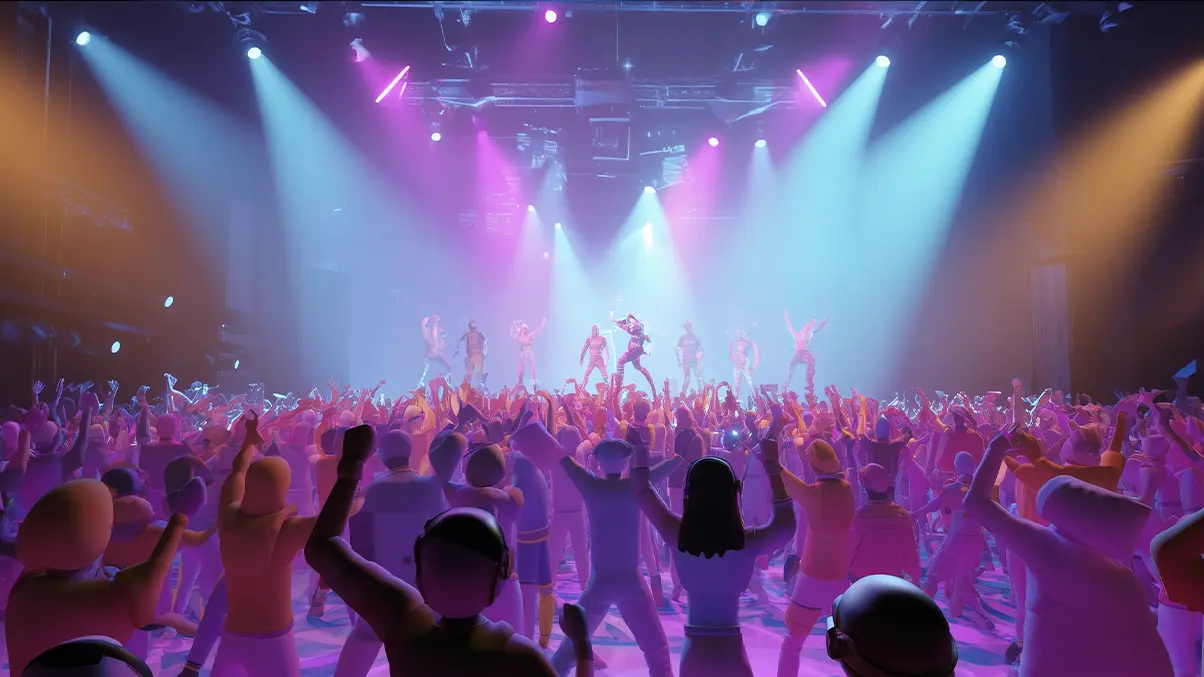
Virtual festivals give independent artists the opportunity to reach a global audience without geographical restrictions. Are you a musician looking to expand your reach beyond traditional touring, or an event organizer hoping to create innovative digital experiences? Then stay tuned as we explore how virtual music events work,what makes them effective, the ways artists can connect with fans through virtual means, and how creators can build sustainable business models in this evolving space.
Understanding Virtual Festivals
Virtual festivals refer to immersive online musical events where performers and audiences connect through digital platforms rather than physical venues. Unlike traditional livestreams that simply broadcast performances, modern virtual music festivals create comprehensive environments where attendees can interact, explore, and engage with content across multiple stages or spaces.
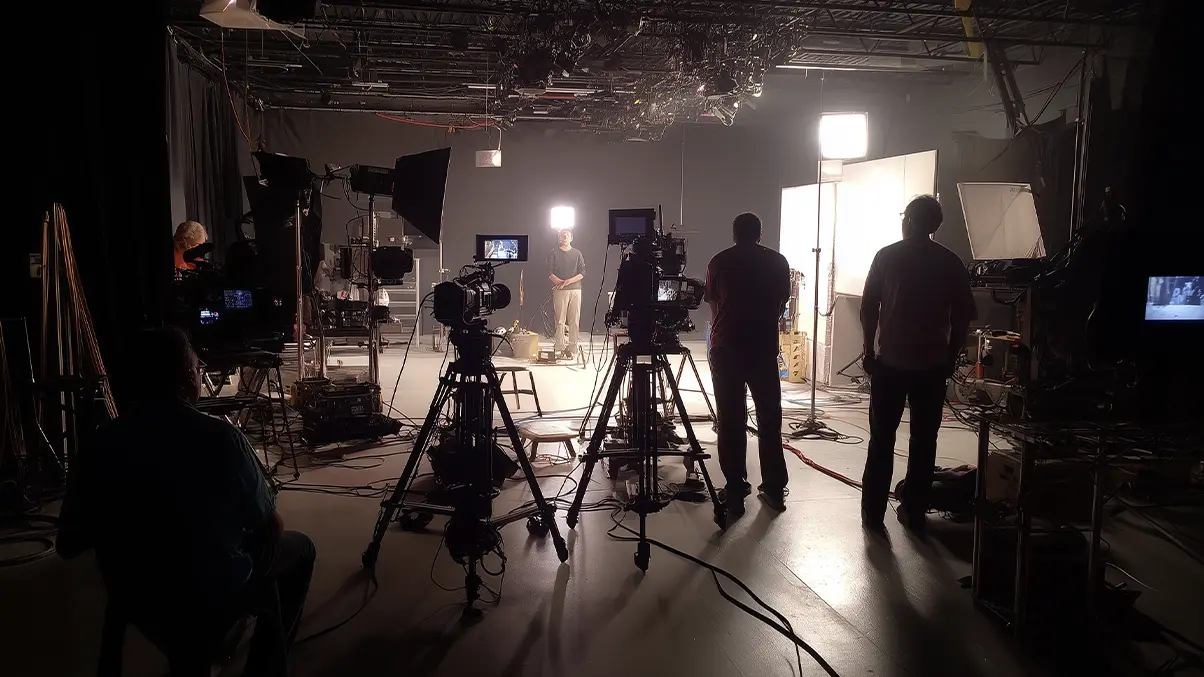
The foundation of digital events is advanced streaming technology that ensures high-quality delivery to viewers worldwide. Current systems support high-definition video, spatial audio, and real-time interaction, creating multisensory experiences that can rival physical events. Behind the scenes, a technical team manages production elements, ensuring smooth transitions and addressing potential issues in real-time. This technical coordination is crucial for maintaining the quality standards that audiences expect from professional online music experiences.
Multi-camera setups capture performances from various angles, while professional lighting and sound engineering translate the artist’s vision to remote viewers. Some platforms incorporate virtual reality technology, allowing fans to attend concerts via immersive three-dimensional environments. With VR headsets, viewers don’t just watch a show but experience being in the middle of it, freely switching between perspectives and interacting with other attendees through customizable avatars.
The most effective virtual music festivals combine powerful creativity with technical proficiency. High-quality audio is essential: professional recording equipment ensures that performances translate to listeners with minimal quality loss. Much of the interactive potential lies in visuals – through effective lighting and artistically crafted environments, artists can elevate their musical performances and create memorable experiences for their audience.
Why Musicians and Producers Are Going Virtual
Digital music events offer several distinct advantages that are attracting both established and emerging artists. Without physical venue limitations, performers can reach global audiences simultaneously, eliminating the logistical challenges and expenses of traditional touring. This accessibility works both ways – fans from different countries can attend the same event without travel concerns, creating truly international gatherings impossible to replicate in physical spaces.
For creators with physical limitations or health concerns, virtual festivals provide accessible alternatives to demanding tour schedules. Artists can deliver energetic performances from controlled environments, focusing on creative aspects without the hassle of travel. This also extends to emerging talent, as online music gatherings often provide platforms for independent artists who might struggle to secure spots at major physical events.
One of the most compelling benefits is user behaviour analysis.Unlike physical concerts, where audience reactions can only be gathered from anecdotal impressions, digital performances generate detailed metrics on viewer engagement. Artists can understand precisely which elements of their performances resonate most strongly with fans, allowing them to refine their content and marketing strategies based on concrete data rather than subjective reports.
Without expenses for venue rental, travel, accommodations, and physical production elements, virtual events can be produced at a fraction of the cost of traditional concerts. This lower financial barrier makes high-quality production accessible to independent artists without major label backing, creating more opportunities for creative expression and audience building.
How to Host a Music Festival in the Virtual World: A Step-by-Step Guide
Step 1: Define Your Concept and Audience
Start by developing a clear vision for your concert. Decide whether it will be a festival dedicated to a specific musical genre or a mix of different styles. You should also determine your target audience — are you catering to existing fans, reaching out to new viewers, or both? Consider whether the music festival will be free or ticketed, and if it will be live-only or made available on-demand afterward. Defining the creative and business goals of the event early will help align all future decisions.
Step 2: Choose a Virtual Vestival Platform
The next step is to select a platform that fits your technical and creative needs. Popular options include YouTube Live, Twitch, and Facebook Live for their ease of use and broad reach. However, if you’re aiming for a more immersive or monetized experience, you may prefer platforms like Veeps, StageIt, or even metaverse-based solutions. Your choice of platform should reflect the type of content you’re delivering and the features you need, such as high-definition streaming, ticketing capabilities, or audience interaction. This decision can also influence your ability to secure brand collaborations, as some platforms offer better options for product placement or sponsor visibility.
Step 3: Plan the Technical Setup
A smooth technical setup is essential. At a minimum, you’ll need cameras (like DSLR or PTZ), professional-grade microphones, an audio interface, appropriate lighting, and a stable high-speed internet connection. For streaming, software like OBS Studio or vMix allows you to manage different video feeds, switch scenes, and apply on-screen overlays. If you’re aiming for higher production value, you may need a team of technicians or a production partner like Digital Residency. A professional virtual concert organization company can provide additional expertise in custom visuals, brand integration, and real-time audience interaction to elevate your virtual music festival.
Step 4: Secure Talent and Partnerships
Booking artists early ensures that you have time to coordinate setlists, rehearsals, and production schedules. This phase is also ideal for initiating brand partnerships. For example, a clothing brand might sponsor the wardrobe of one of the artists, or a beverage company could create a branded virtual lounge as part of the show. Such integrations can increase revenue while enhancing the viewer experience.
Step 5: Promote Your Event
A strong promotional campaign is key to driving attendance. Ideally, marketing should begin at least three to six weeks before the concert. Promotion should include teaser trailers, artist interviews, countdown posts, and influencer collaborations. Email newsletters can help target existing fans, while social media ads can broaden your reach. Make sure every promotional piece includes clear details about ticketing, time zones, platform access, and any special perks for VIP or early-bird attendees.
Step 6: Rehearse and Do a Tech Run
Before your music festival goes live, conduct a full technical rehearsal. This includes testing the internet connection, syncing audio and video, switching scenes, and checking lighting conditions. Rehearsals are also essential for the artists to familiarize themselves with the technical flow and for technicians to troubleshoot any issues in advance. A smooth rehearsal builds confidence and reduces the risk of last-minute errors during the live broadcast.
Step 7: Go Live
On the day of the virtual music festival, start your stream early with a countdown timer or pre-show content to warm up the audience. During the event, monitor stream quality, audience engagement, and chat activity in real-time. You should also have someone manage live interactions, shoutouts, or Q&A sessions to keep the audience involved. The goal is to create an immersive experience that feels just as special as attending a physical festival.
Building Meaningful Fan Connections in Digital Spaces
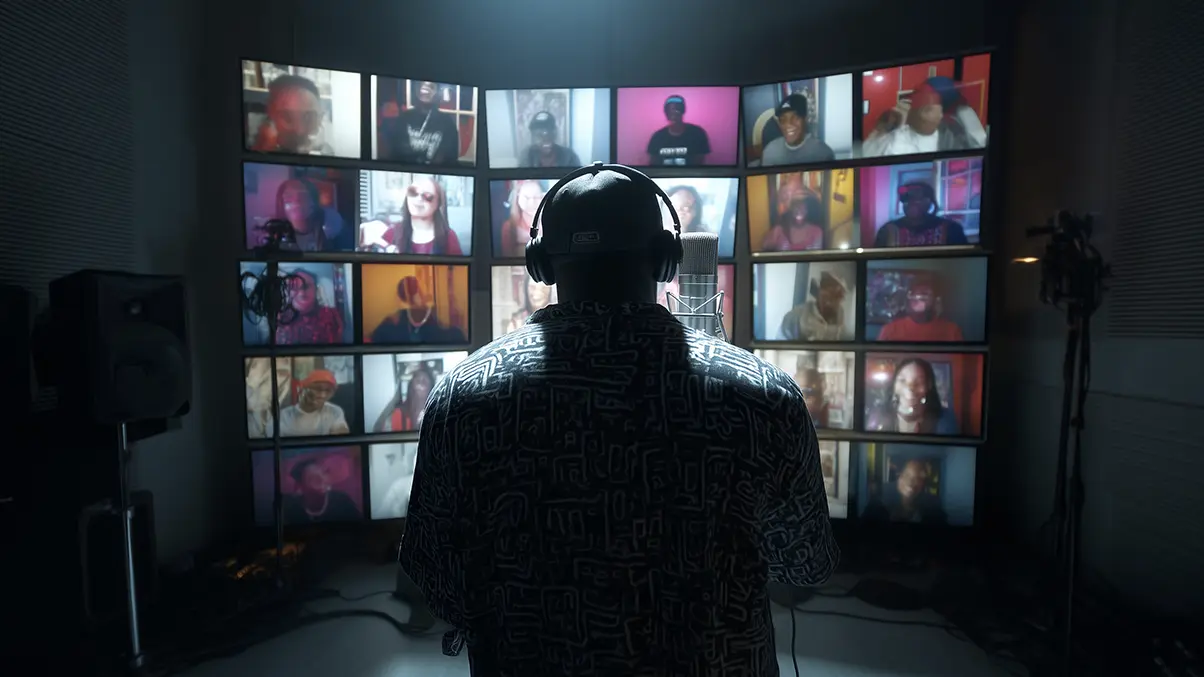
What distinguishes virtual festivals from basic livestreams is often their level of engagement. Interactive elements such as live chats, polls, virtual applause systems, and feature requests allow fans to communicate with artists and feel like active participants in the experience. Some performers take this interactivity further by incorporating audience members directly into their events, displaying fan video feeds on digital screens, or inviting participants to join them virtually for special moments.
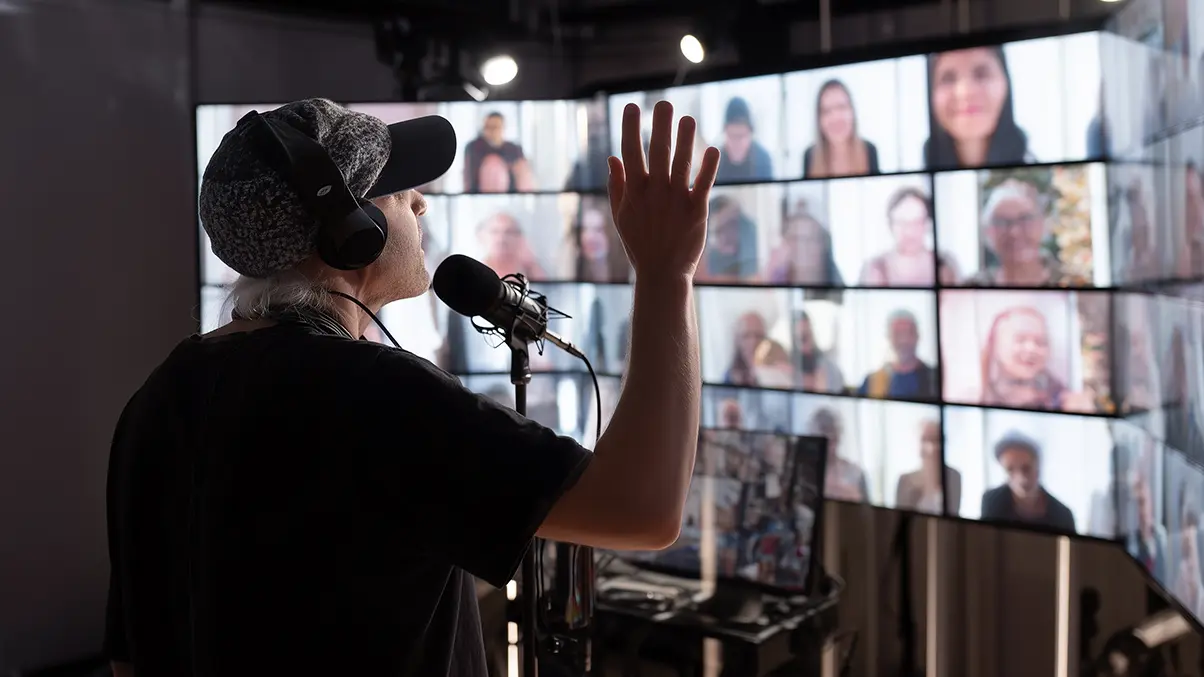
The community-building dimension of music consumption remains crucial in virtual festivals. Many platforms include features where like-minded fans can connect before, during, and after performances. These digital spaces foster the formation of fan communities that extend beyond individual events, creating ongoing relationships that benefit both audiences and artists. Some events integrate social media platforms, allowing attendees to share moments in real-time and extend the event’s reach organically.
Much of the digital concert experiences’ success relies on understanding audience demographics. Younger viewers might prefer experiences integrated with social media or gaming environments, while older audiences might value high-quality streaming options that capture the intricacies of the musical performance. Though festivals enable viewers to connect from anywhere in the world, geographic considerations remain relevant. Artists can adjust showtimes to accommodate global audiences or create specific content that resonates with particular regional sensibilities.
The pacing of virtual music festivals differs from traditional concerts. Shorter segments with variety help maintain audience attention in the digital space. These festivals allow many artists to incorporate visual changes, costume adjustments, and set transformations to create a dynamic viewing experience. These production possibilities keep audiences engaged throughout the event.
Monetization Strategies That Actually Work for Virtual Festivals
Creating multiple revenue streams gives virtual festivals financial sustainability and opens opportunities for creators of all sizes. Various monetization options help fans be flexible in how how they support their favorite artists.
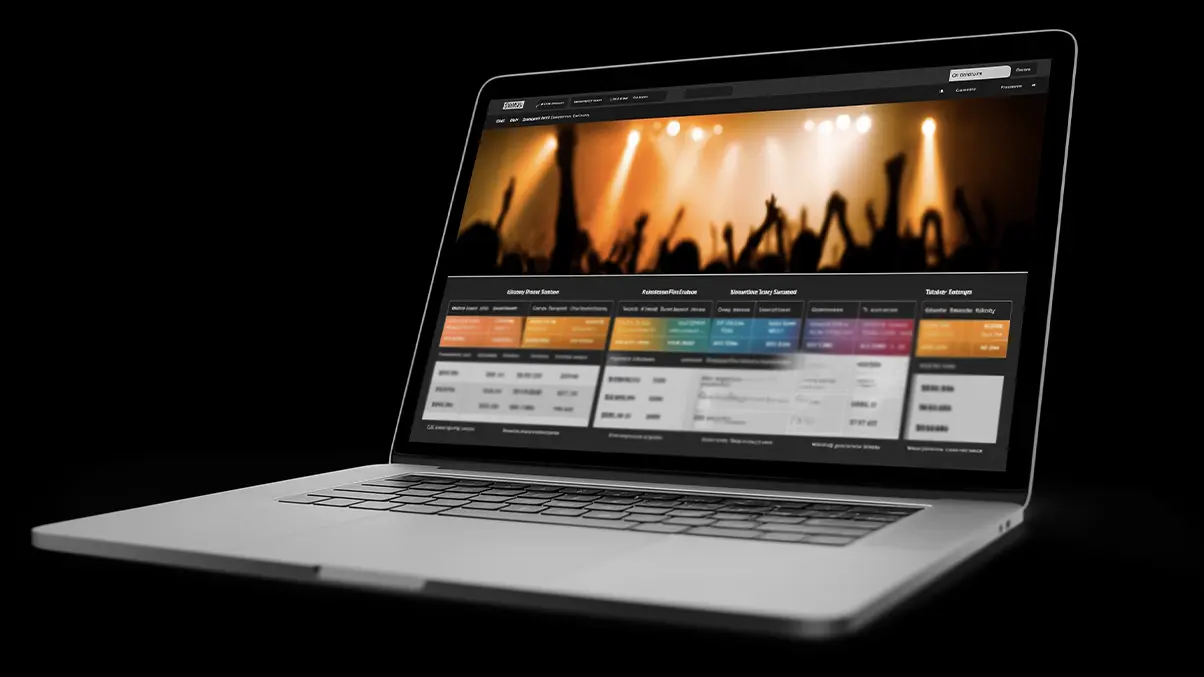
Ticketing is still one of the main monetization routes when it comes to virtual music events. Often, there are different ticket tiers — just like at real-life concerts. Entry-level access might involve standard viewing privileges, access to chat features, or basic interactive elements. These are ideal for casual fans or those new to digital concert experiences. Mid-tier packages offer enhanced integration, such as multi-angle viewing options, downloadable content, or extended access to performance recordings after the live event. These options provide more value for dedicated fans willing to invest in their experiences.
Premium elements create additional revenue opportunities. VIP experiences often offer more engagement than what’s possible at physical venues, where time constraints limit personal interactions. Virtual meet-and-greets, digital merchandise, downloadable concert recordings, or exclusive content access can form attractive premium packages. Some artists offer interactive backstage tours or pre-show workshops with band members as premium options in addition to standard tickets.
Sponsorship represents another significant revenue opportunity for virtual festivals. Brands increasingly recognize the value of these digital gatherings as marketing platforms, particularly for reaching younger, tech-savvy demographics. Sponsorship integrations can include branded virtual environments, interactive product demonstrations, or sponsored content segments that provide additional funding for event producers while offering value to attendees.
For long-term sustainability, some creators have implemented subscription models for their virtual festivals. Monthly or annual membership programs provide fans with access to multiple events, exclusive content, and community features, creating predictable revenue streams for artists while offering value to their most dedicated supporters.
The Most Popular Virtual Festivals
- Several editions of Tomorrowland, ranked as the number 1 festival by DJ Mag in 2024, online during the Covid-19 pandemic. It represents one of the most ambitious implementations, transforming the legendary festival into an interactive digital environment complete with multiple stages, artist workshops, games, and stunning visual effects.
- The Decentraland Music Festival transformed virtual space with its cosmic-themed experience over four immersive days. Attendees created personalized avatars to navigate multiple virtual stages built specifically for the event. The main arena featured a massive rotating planetarium ceiling that changed throughout performances, while smaller venues resembled futuristic space stations with zero-gravity dance floors. Festival-goers could purchase virtual merchandise, including limited digital wearables for their avatars, and interact with other attendees through voice chat and dancing animations. Notable performances included immersive sets where artists controlled not just the music but also the surrounding environment, creating synchronized visual effects that responded to beat drops and musical transitions.
- Glastonbury: Live at Worthy Farm delivered a hybrid virtual festival experience that combined pre-recorded performances at the actual Glastonbury Festival grounds with interactive digital elements. Unlike fully virtual events, this festival used cinematographic approaches to film performances at iconic Glastonbury locations during different times of day., This created a journey from sunrise to sunset that mimicked the traditional festival experience. The production featured drone footage that seamlessly transitioned between stages, giving viewers the sensation of flying across the empty festival grounds between performances. Artists performed at landmark locations including the Pyramid Stage, Stone Circle, and Worthy Farm itself, with lighting designed specifically for the drone camera rather than a physical audience.Viewers accessed the experience through a custom-built platform that offered multiple viewing options — standard viewing, dynamic multicamera controls that allowed users to switch between angles, and a premium “director’s cut” with behind-the-scenes commentary. The platform incorporated synchronous watch parties where groups could share reactions in private viewing rooms, and featured an interactive site map allowing viewers to explore the festival grounds virtually between performances.
- Outloud Music Festival is a prominent LGBTQ+ music event that has successfully adapted to virtual formats in recent years, featuring performances from major artists alongside emerging talent. The festival emphasizes community building and social connection alongside musical performances, demonstrating how identity-focused events can thrive in digital spaces.
Final Thoughts
Virtual festivals have established themselves as more than temporary alternatives to physical events. They represent an evolution in how we create and consume live music today. By embracing the unique advantages of digital platforms while maintaining the emotional core of shared musical experiences, these events offer exciting possibilities for creators and audiences alike.
For artists considering their first online festival, the key lies in authentic connection as much as in technical complexity. While production quality matters, audiences primarily seek genuine engagement and memorable moments they can’t find elsewhere. By focusing on these core elements while implementing interactive features, creators can craft virtual music festivals that resonate with fans and establish lasting platforms for artistic expression in the digital age.
Successful virtual festivals require adaptability and creativity. The landscape continues to evolve rapidly, with new platforms and technologies emerging regularly. But remaining flexible, experimenting with new approaches, and center efforts on creating meaningful connections with the audiences, regardless of the specific technical implementation.
FAQ
How much does it cost to host a virtual music festival?
The investment for virtual music events varies significantly depending on your production goals and technical requirements. Entry-level festivals can launch with modest budgets using basic streaming equipment and existing platforms. Mid-range productions require higher investment when incorporating professional cameras, lighting, and interactive features. High-end virtual festivals with custom platforms and immersive environments demand substantial funding.
What are the best platforms for hosting virtual music festivals?
The choice depends on your specific needs and audience preferences. Options range from simple streaming services to comprehensive virtual event platforms that support interactive features. Some creators use established platforms like YouTube Live or Twitch for basic streaming. Others opt for specialized virtual event platforms that offer multi-stage environments and enhanced audience interaction tools.
How do artists make money from virtual festivals?
Virtual festivals offer multiple revenue streams, including tiered ticketing systems with different access levels. Premium VIP experiences provide enhanced engagement opportunities that often exceed what’s possible at physical venues. Digital merchandise sales and sponsorship partnerships represent significant revenue potential.
